Legal Last Will and Testament Form for Divorced Person Not Remarried with No Children - Oklahoma 2026

Get Form
Legal Last Will and Testament Form for Divorced Person Not Remarried with No Children - Oklahoma Preview on Page 1

Here's how it works

01. Edit your form online
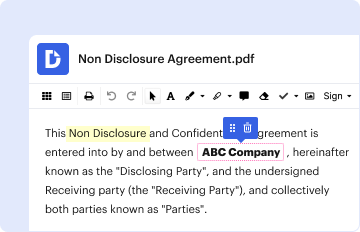
Type text, add images, blackout confidential details, add comments, highlights and more.
02. Sign it in a few clicks
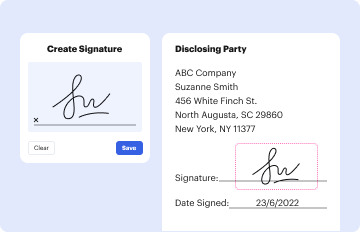
Draw your signature, type it, upload its image, or use your mobile device as a signature pad.
03. Share your form with others
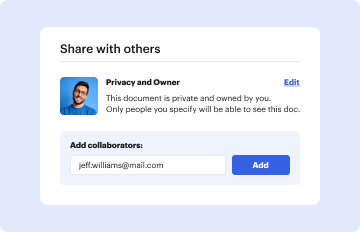
Send it via email, link, or fax. You can also download it, export it or print it out.

How to use or fill out Legal Last Will and Testament Form for Divorced Person Not Remarried with No Children - Oklahoma

Form edit decoration
9.5
Ease of Setup
DocHub User Ratings on G2
9.0
Ease of Use
DocHub User Ratings on G2
  1. Click ‘Get Form’ to open it in the editor.
  2. Begin by entering your name in Field [1] and your county of residence in Field [3]. This establishes your identity and jurisdiction.
  3. In Article Three, specify any specific property you wish to bequeath. If there are none, simply type 'none' in the designated fields.
  4. For Article Four, if you own a homestead, enter the names of those who will inherit it in Field [22].
  5. In Article Six, appoint a Personal Representative by filling out Fields [24] and [25] with their names.
  6. Review all entries for accuracy. Once completed, print the document and sign it in front of two witnesses.

Start using our platform today to effortlessly complete your Last Will and Testament!

be ready to get more

Complete this form in 5 minutes or less

Get form

Got questions?

We have answers to the most popular questions from our customers. If you can't find an answer to your question, please contact us.
Contact us
Some couples think that they can have one joint will together, but this is not a sound approach. Spouses need separate wills. Even if the majority of the information in your wills is nearly identical, you still need to each have your own.
When you fail to have an estate plan in place, the state of California will decide how your assets will be distributed and it could be in ways you would not be happy with. If you are married, then your marital assets will automatically go to your spouse in the event of your death.
Generally, only spouses, registered domestic partners, and blood relatives inherit under intestate succession laws; unmarried partners, friends, and charities get nothing. If the deceased person was married, the surviving spouse usually gets the largest share.
Last wills for each spouse must be created to work together. The result: the other spouses family can end up being disinherited. In California, if your estate exceeds $166,250, we recommend you have a revocable living trust.
However, Oklahoma allows you to make your will self-proving, and youll need to go to a notary if you want to do that. A self-proving will speeds up probate because the court can accept the will without contacting the witnesses who signed it.

Security and compliance

At DocHub, your data security is our priority. We follow HIPAA, SOC2, GDPR, and other standards, so you can work on your documents with confidence.

Learn more
ccpa2
pci-dss
gdpr-compliance
hipaa
soc-compliance

People also ask

If the Deceased Was Married at the Time of Death The court will distribute the deceaseds separate property as follows: If the deceased had no children, grandchildren, parents, siblings, nieces, or nephews, the surviving spouse will take all of the deceaseds separate probate assets.

Related links