Ohio husband wife 2026

Get Form
ohio husband wife Preview on Page 1

Here's how it works

01. Edit your form online
Type text, add images, blackout confidential details, add comments, highlights and more.
02. Sign it in a few clicks
Draw your signature, type it, upload its image, or use your mobile device as a signature pad.
03. Share your form with others
Send it via email, link, or fax. You can also download it, export it or print it out.

How to use or fill out ohio husband wife with our platform

Form edit decoration
9.5
Ease of Setup
DocHub User Ratings on G2
9.0
Ease of Use
DocHub User Ratings on G2
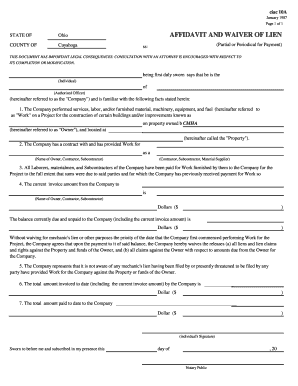
  1. Click ‘Get Form’ to open the Transfer on Death Designation Affidavit in the editor.
  2. Begin by entering the names of both husband and wife as Grantors in the designated fields. Ensure that you accurately reflect their ownership status of the property.
  3. Fill in the property details, including the address, county, and legal description. This information is crucial for identifying the property involved in the transfer.
  4. Designate a beneficiary by entering their name and address in the appropriate fields. This person will receive ownership upon the death of both Grantors.
  5. Review all entered information for accuracy. Once confirmed, proceed to sign and date the document where indicated.
  6. Finally, ensure that a notary public witnesses your signatures as required by Ohio law to validate this affidavit.

Start using our platform today to easily complete your Transfer on Death Designation Affidavit for free!

be ready to get more

Complete this form in 5 minutes or less

Get form

Got questions?

We have answers to the most popular questions from our customers. If you can't find an answer to your question, please contact us.
Contact us
3) The statutory share. This generally allows the surviving spouse to keep one-half (1/2) of the net estate. However, if two (2) two or more of the deceased spouses children (or their lineal descendants) survive the deceased spouse, then the surviving spouse would receive one-third (1/3) of the net estate.
As a widow, you have the option to receive either your own retirement benefit or a survivors benefit based on your late husbands earnings, whichever is higher. The survivors benefit can be up to 100% of the deceased spouses benefit amount.
Husband and wife are competent witnesses to testify in behalf of each other in all criminal prosecutions and to testify against each other in all actions, prosecutions, and proceedings for personal injury of either by the other, bigamy, or failure to provide for, neglect of, or cruelty to their children under eighteen
Unless you are legally obligated to pay your deceased spouses debts, you should not have to worry about spousal debt. But debt collectors may contact you anyway. Creditors could attempt to collect the money they are owed from assets that pass to you outside probate.
In Ohio, property owned by either spouse before the marriage is typically considered separate property. This means that, in general, the house your husband bought before you got married would be considered his separate property.

Security and compliance

At DocHub, your data security is our priority. We follow HIPAA, SOC2, GDPR, and other standards, so you can work on your documents with confidence.

Learn more
ccpa2
pci-dss
gdpr-compliance
hipaa
soc-compliance

People also ask

All spouses will need to sign some documents even if they are not going to be an owner in the property. Ohio has dower(marital) rights and all spouses need to sign the mortgage and a few additional Lender documents in order to release any rights they may have in the property to the lender in case of foreclosure.
Regardless of the choices detailed directly above, Ohio law dictates that $40,000.00 is set aside from the assets of an estate if the deceased died leaving a surviving spouse and/or minor children. This is commonly known as a spousal allowance or family allowance, and is considered a priority claim.
Many people assume that the surviving spouse automatically inherits everything. However, this is not the case in California. When a person dies without a will in California, their assets are distributed to their family members according to the states intestate succession laws.

Related links