Definition and Meaning of Small Claims Court
Small claims court provides a legal venue to resolve disputes involving modest sums of money. The primary purpose of a small claims court is to simplify and expedite the dispute resolution process without requiring the involvement of lawyers. Typically, these courts handle cases where the amount in question ranges from a few hundred dollars to as much as ten thousand dollars, depending on the state. The simplified nature of small claims procedures allows individuals to represent themselves without legal counsel, focusing on presenting facts straightforwardly.
Steps to Complete the Small Claim Process
To file a small claim, individuals must follow a structured process that generally includes several key steps:
-
Identify the Court: Determine the appropriate jurisdiction based on where the defendant resides or where the dispute occurred.
-
Prepare Documentation: Gather all relevant documents and evidence, such as contracts, receipts, and communication records, that support the claim.
-
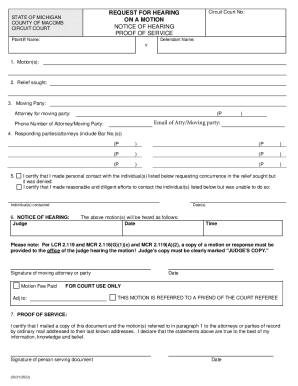
File the Claim: Submit the small claim form to the relevant municipal or county court. This involves filling out necessary details like the nature of the claim, the amount sought, and personal details of both parties involved.
-
Serve the Defendant: Notify the defendant formally about the filing through a proper service method, which often includes personal service or sending the notice via certified mail.
-
Attend the Hearing: Both parties must appear on the scheduled date to present their cases. Each side offers testimony and evidence that supports their positions.
-
Receive the Judgment: After hearing the case, the judge issues a verdict, which might require the defendant to pay the claimed amount or dismiss the claim.
Key Elements of the Small Claim
A small claims form typically includes crucial sections necessary for a valid submission. These elements generally cover:
-
Plaintiff and Defendant Information: Accurate personal and contact details of both parties involved in the dispute.
-
Claim Description: A detailed overview of the grievance, including what the claim is about and why it warrants resolution through the court system.
-
Monetary Amount: Clearly stated sum at the heart of the dispute, reflecting either damages sought or financial remedy expected.
-
Trial Date and Location: Specification of when and where the small claims case will be heard, providing both parties sufficient time to prepare.
-
Signature: Both parties are typically required to sign the document to affirm the validity of statements provided.
Legal Use of the Small Claim
Small claims are effectively used in diverse legal scenarios where individuals seek to resolve minor disputes without engaging in full-scale litigation:
-
Property Damage: Claims often arise from minor vehicular accidents or damage to personal property, where the responsible party disputes liability or payment.
-
Breach of Contract: If an agreement is not honored, such as a contractor failing to complete work as promised, a small claim may ensure enforcement or compensation.
-
Landlord-Tenant Issues: Commonly used to address disputes related to security deposits or unpaid rent.
-
Unpaid Debts: Individuals or businesses may utilize small claims to recover unpaid amounts owed, ensuring a formal method of recourse.
Who Typically Uses the Small Claim System
Various individuals and entities can pursue small claims to address specific grievances. This includes:
-
Private Individuals: People seeking resolution for personal disputes without the expense of hiring a lawyer.
-
Small Business Owners: Businesses that deal with minor contract breaches or unpaid invoices, opting for a cost-effective legal solution.
-
Landlords and Tenants: Engaged in conflict over rental agreements, damages, or payment issues, they frequently resort to small claims court.
-
Unrepresented Litigants: Those unable to afford legal representation yet needing formal adjudication of a monetary dispute.

State-Specific Rules for Small Claims
Different U.S. states have varying rules governing small claims courts, dictating aspects such as:
-
Filing Fees: Fees required to initiate a claim vary widely, reflecting local judicial considerations.
-
Monetary Limits: States have specific caps on the amount that can be disputed in a small claims case, impacting the suitability of this legal avenue.
-
Appeals Process: The ability to appeal a small claims decision also varies, with some states allowing appeals solely on legal errors.
-
Timeframe for Filing: Statutes of limitations affect how long a plaintiff has to file a claim after an incident occurs.
Examples of Using Small Claims
Several real-world scenarios highlight the practical application of small claims courts:
-
Freelancer Versus Client: A freelancer who hasn’t been paid for completed work can file a small claim to recover due payments, providing contract copies and email correspondences as evidence.
-
Neighbor Dispute: A property owner may use a small claim to address damages caused by a neighboring property, such as a fallen tree damaging a fence.
-
Consumer Grievance: After purchasing a defective product or service where the merchant refuses a refund, a consumer can seek remedy through this streamlined route without involving extensive legal proceedings.
Required Documents for Filing a Small Claim
Proper documentation is integral to successfully filing and substantiating a small claim:
-
Claim Form: The primary document outlining the nature of the dispute and relief sought.
-
Proof of Service: Verification that the defendant has been notified of the claim.
-
Supporting Evidence: Receipts, contracts, photographs, and correspondences that substantiate the claim.
-
Witness Statements: Written accounts from individuals who can corroborate details relevant to the case.
These elements ensure a complete submission, enhancing the chances of obtaining a favorable judgment in small claims court.