






Overview of Affidavit in New York
An affidavit is a written statement confirmed by oath, used as evidence in legal situations. In New York, affidavits serve various purposes, such as providing testimony, verifying facts, or supporting petitions in court. They may be used by individuals to establish compliance with legal requirements, prove identity, or assert claims. Understanding the specific New York affidavit requirements is essential for those needing to submit legal documents.
Common Uses of Affidavits in New York
Affidavits are instrumental in several legal proceedings and processes, including:
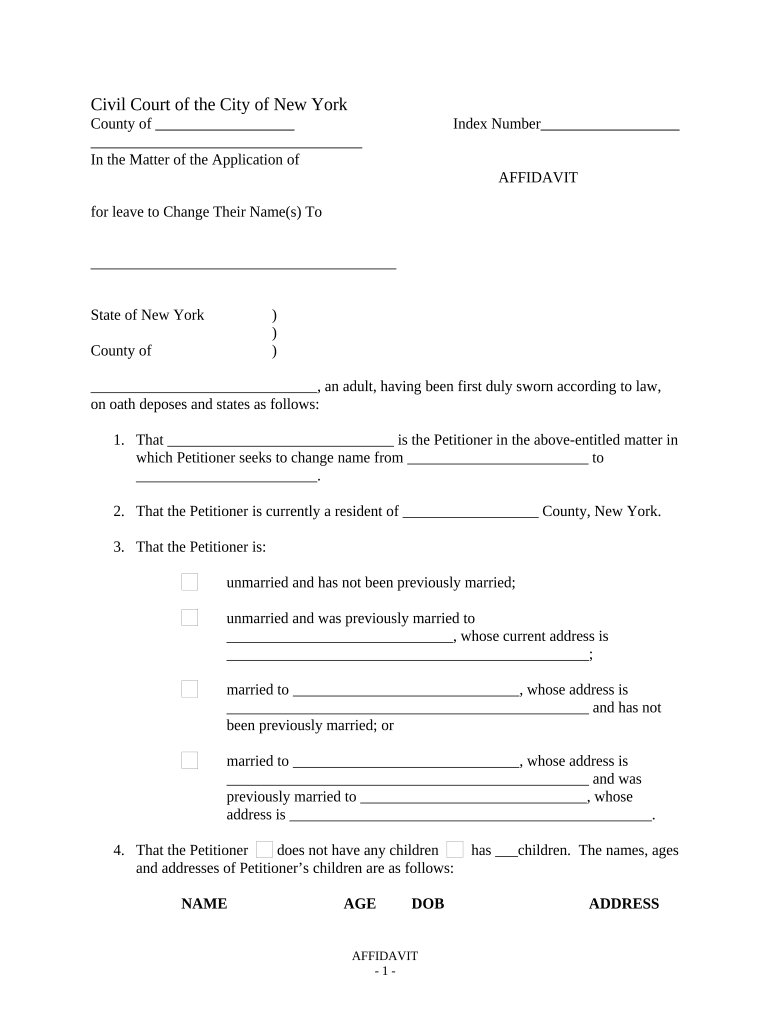
- Name Change Petitions: Individuals may file an affidavit in Civil Court when seeking a name change, often including personal details like marital status and other relevant facts.
- Real Estate Transactions: Affidavits are frequently used to verify ownership or establish the legitimacy of property titles during transfers or sales.
- Court Cases: In civil and criminal cases, affidavits may support motions or serve as evidence to affirm the claims made in court.
- Notarization Requirements: Many affidavits must be notarized to be considered valid, which adds a layer of authentication.
Requirements for a New York Affidavit
When preparing an affidavit in New York, certain legal criteria must be met:
- Personal Details: The document must include the affiant’s full name, the reason for the affidavit, and essential details about the facts being asserted.
- Statement of Facts: The affidavit should contain a clear and concise statement of the facts. Each assertion must be made under penalty of perjury, attesting to the truthfulness of the contents.
- Notarization: Most affidavits require a notary public's signature, confirming the identity of the affiant and that they acknowledge understanding the content and implications of the document.
- Formatting and Language: The affidavit must be formatted correctly and written in a manner that complies with legal standards, avoiding ambiguous language.
Sample Affidavit Format
A typical New York affidavit format may include:
- Title: "Affidavit of [Affiant’s Name]"
- Introduction: A statement of the affiant's identity and position relevant to the affidavit's purpose.
- Body: Numbered statements outlining the facts that are being attested to.
- Signature Block: The affiant's signature and the date of signing.
- Notary Section: Space for the notary public's signature and stamp.
Filing and Submission of Affidavits
To properly submit an affidavit in New York, the following steps are typically involved:
- Complete the Affidavit: Fill in all necessary sections accurately, ensuring clarity and completeness.
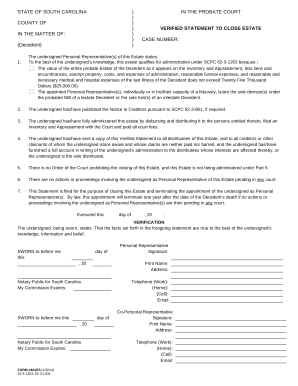
- Notarization: Have the document notarized by a licensed notary public to validate the affidavit.
- Filing with the Court: Depending on the affidavit's purpose, it may need to be filed with a specific court. This process usually involves submitting copies and may require payment of a filing fee.
- Serve Copies: If applicable, serve the necessary copies to involved parties per New York state rules.
Practical Examples of New York Affidavits
Practical examples of situations requiring affidavits include:
- Affidavit of Support: Individuals may file this document to prove financial support for family members seeking immigration benefits.
- Affidavit of Identity: Used to affirm a person's identity when faced with issues such as discrepancies in official documents.
- Affidavit of Service: In litigation, this affidavit verifies that legal documents were served correctly to parties involved in a case.
Notarization Process for Affidavits in New York
The notarization of an affidavit involves:
- Finding a Notary Public: Individuals may locate a notary in community centers, banks, or legal offices.
- Presenting Identification: The affiant must provide valid identification to the notary to confirm their identity.
- Signing in Presence: The affiant must sign the affidavit in the presence of the notary, who will then complete the notarization by affixing their seal.
Legal Implications of Affidavits
Affidavits carry legal weight; submitting a false affidavit can result in serious consequences, including charges of perjury. Adherence to the specified legal standards within New York is critical to ensure the affidavit serves its intended purpose effectively and complies with the law. Always seek legal counsel if unsure about the requirements or implications of filing an affidavit in New York. Understanding these nuances can help avoid legal pitfalls and ensure proper documentation in various processes.