



Definition & Meaning
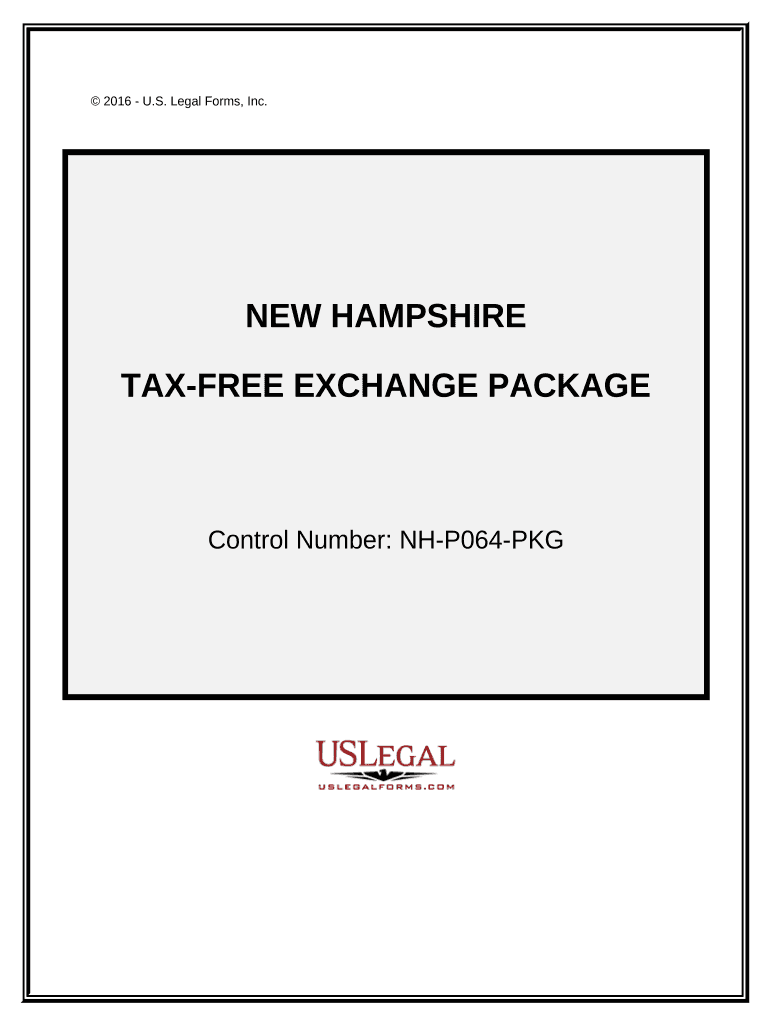
The Tax-Free Exchange Package in New Hampshire is designed for real estate sellers looking to facilitate tax-free property exchanges under Internal Revenue Code Section 1031. This package allows sellers to defer capital gains taxes by reinvesting the proceeds from sold properties into like-kind properties. It provides a legal framework that supports sellers in navigating the intricate regulations surrounding 1031 exchanges, specifically tailored to accommodate the state-specific nuances of New Hampshire.
Key Components
- Exchange Agreement: Establishes the terms for exchanging properties without immediate tax liabilities.
- Like-Kind Exchanges Documentation: Ensures the properties involved qualify as like-kind, complying with IRS regulations.
- Legal Disclaimers: Advises users that the forms do not replace professional legal advice and come without a warranty.
How to Use the Tax-Free Exchange Package - New Hampshire
Real estate sellers intending to utilize a 1031 exchange should follow a structured approach to make full use of the New Hampshire-specific package.
- Review Available Resources: Begin by familiarizing yourself with the provided documents in the package.
- Complete the Exchange Agreement: Accurately fill out the exchange agreement to outline the property transfer specifics.
- Verify Property Eligibility: Ensure all involved properties comply with the like-kind exchange requirements.
- Consult Professionals: Engage with a tax advisor or legal expert to confirm the legal appropriateness of the forms used.
Practical Scenarios
- Utilizing the package during the sale of a commercial property to acquire another complex meeting IRS specifications.
- Involving multiple stakeholders in the documentation review process for validation and agreement adherence.
Steps to Complete the Tax-Free Exchange Package - New Hampshire
Successfully completing the exchange package involves several meticulous steps that require attention to detail.
- Gather Required Information: Collect essential details about the properties and parties involved.
- Fill Out Forms: Methodically complete each section, ensuring all data is correct and up-to-date.
- Review Terms and Conditions: Carefully examine the terms laid out in the exchange agreements.
- Secure Legal Review: Seek a legal professional’s input to ensure compliance with state and federal guidelines.
- Submit Forms: Follow instructions for submitting completed documents, either electronically or via mail.
Detailed Breakdown
- Vicinity Checks: Confirm that properties are within the similarly qualified like-kind criteria.
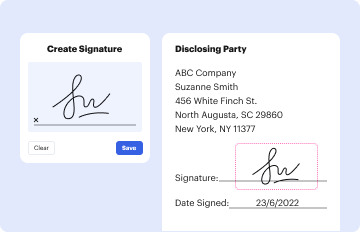
- Signature Verification: Obtain signatures from all relevant stakeholders for legal validity.
Why Use the Tax-Free Exchange Package - New Hampshire
Leveraging the Tax-Free Exchange Package offers substantial benefits to sellers, primarily centered around tax deferral.
- Tax Deferral: Sellers can postpone capital gains taxes, amplifying investment potential.
- Asset Reallocation: Facilitates strategic asset reallocation without immediate tax expenses.
- Legal Compliance: Helps maintain adherence to legal standards specific to New Hampshire’s statutory requirements.
Advantages
- Maximizing long-term financial growth through tax deferral.
- Enhancing asset portfolios by re-investing into strategic real estate markets.
State-Specific Rules for the Tax-Free Exchange Package - New Hampshire
Using a tax-free exchange in New Hampshire necessitates understanding state-specific rules that impact real estate transactions.
Legal Considerations
- Property Type: Restrictions may apply based on the type of property, whether residential or commercial.
- Timeframe for Exchange: Compliance with specified timelines concerning asset acquisition and disposition is crucial for tax deferrals.
IRS Guidelines for Tax-Free Exchanges
The IRS stipulates comprehensive guidelines under 1031 exchanges that users must follow.
- Qualified Use: Properties involved must be held for investment or business purposes, not personal use.
- Replacement Timeline: Identifying and acquiring replacement properties within set periods (45 days to identify, 180 days to purchase).
Common Missteps
- Engaging in exchanges with personal-use properties.
- Failing to meet identification or acquisition windows.
Required Documents for Tax-Free Exchange Package - New Hampshire
A successful tax-free exchange transaction in New Hampshire demands assembling comprehensive documentation.
- Property Deeds: Original deeds for each property involved.
- Exchange Contract: Fully executed contracts specifying terms.
- Identification Forms: Documents identifying potential replacement properties.
Submissions and Recordkeeping
- Digital Archives: Maintain secure digital copies for future reference and compliance audits.
Who Typically Uses the Tax-Free Exchange Package - New Hampshire
This package is specifically aimed at property sellers and investors in New Hampshire who wish to leverage tax deferral opportunities.
- Real Estate Investors: Looking to expand portfolios while deferring tax liabilities.
- Property Developers: Engaging in strategic asset swaps to optimize long-term financial outcomes.


Ideal Use Cases
- Transitioning from multiple smaller properties to a larger, singular asset.
- Diversifying holdings across different geographic real estate markets.