Subcontractors Package - Minnesota 2026

Get Form
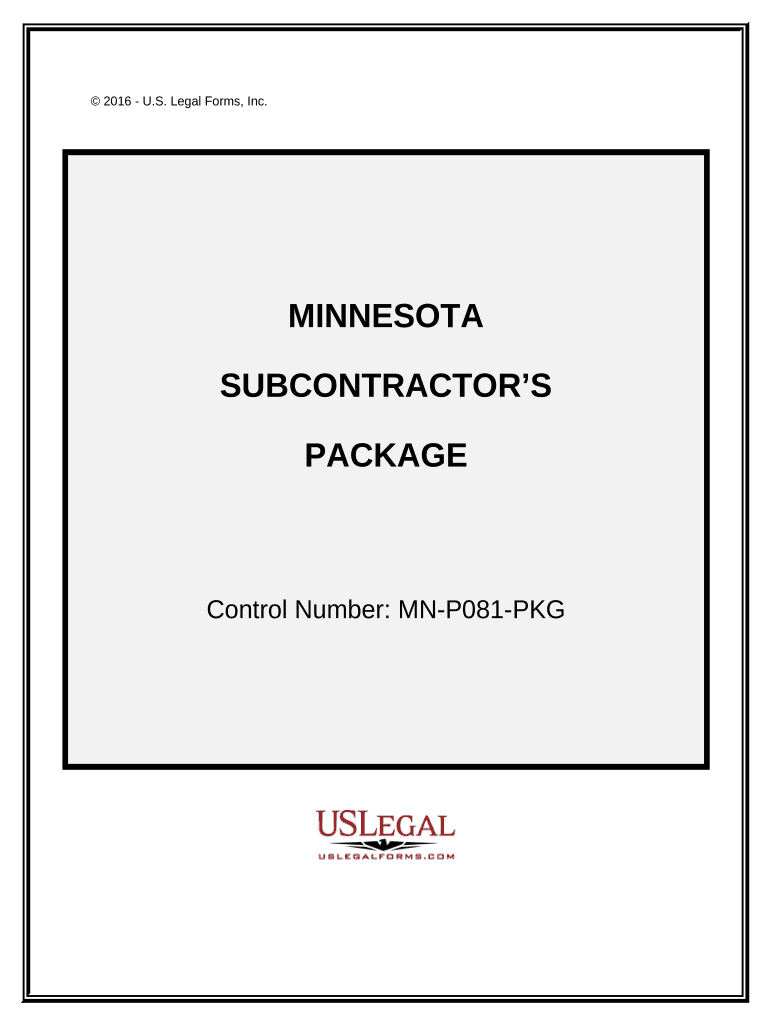
Subcontractors Package - Minnesota Preview on Page 1

Here's how it works

01. Edit your form online
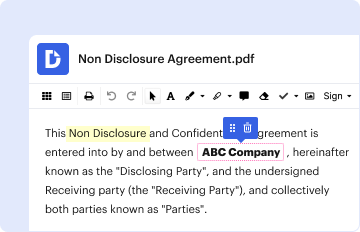
Type text, add images, blackout confidential details, add comments, highlights and more.
02. Sign it in a few clicks
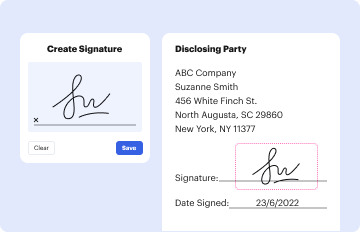
Draw your signature, type it, upload its image, or use your mobile device as a signature pad.
03. Share your form with others
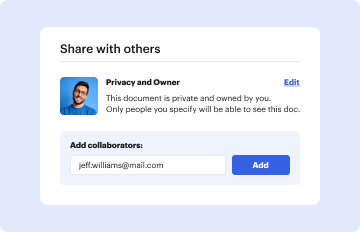
Send it via email, link, or fax. You can also download it, export it or print it out.

How to use or fill out Subcontractors Package - Minnesota with our platform

Form edit decoration
9.5
Ease of Setup
DocHub User Ratings on G2
9.0
Ease of Use
DocHub User Ratings on G2
  1. Click ‘Get Form’ to open the Subcontractors Package in the editor.
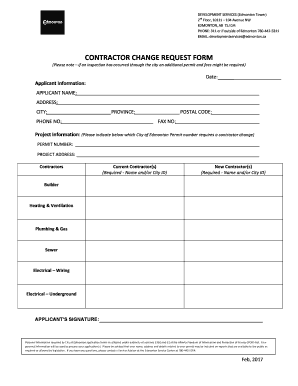
  2. Begin with the Subcontractor’s Agreement. Fill in the names of the parties involved, jobsite details, and a description of the work to be performed. Ensure you specify payment amounts and schedules.
  3. Next, complete the Construction Project Information Sheet by entering relevant project details such as commencement date and involved parties.
  4. Use the Change Order Sheet to document any additional work authorized during the project. Clearly outline changes and ensure they align with your original agreement.
  5. For tracking equipment usage, fill out the Weekly Equipment Summary, noting make, model, and maintenance records.
  6. Complete the Time and Material Log to keep an accurate record of hours worked and materials used for invoicing purposes.
  7. Finally, utilize forms like the Final Project Punch List and Accident Report Form as needed to ensure all tasks are completed satisfactorily and safety is prioritized.

Start using our platform today for free to streamline your document editing and signing process!

be ready to get more

Complete this form in 5 minutes or less

Get form

Got questions?

We have answers to the most popular questions from our customers. If you can't find an answer to your question, please contact us.
Contact us
Hiring Subcontractors You can easily expect $40 to $50 per hour for a helper, and likely a lot more, depending on what that helper is doing, how experienced they are, and the cost of hiring construction staff in your area.
An independent contractor, on the other hand, is a worker who is not an employee and independently contracts with an individual or business to provide a good or perform a service. Independent contractors receive a Form 1099 for taxes while employees receive a Form W-2.
The general rule is that an individual is an independent contractor if the person for whom the services are performed has the right to control or direct only the result of the work and not what will be done and how it will be done. If you are an independent contractor, then you are self-employed.
While most residential building contractors need a license to work in the state of Minnesota, there are a few exceptions. You dont need a license if: Youre an employee of a licensed contractor or a subcontractor who doesnt work directly with the homeowner. Your work is limited to buildings with more than four units.
Effective March 1, 2025, Minnesota workers in the construction industry who provide commercial or residential building construction or improvement services must satisfy a 14-factor test instead of the previous 9-factor test to be considered independent contractors and therefore exempt from various wage and hour

Security and compliance

At DocHub, your data security is our priority. We follow HIPAA, SOC2, GDPR, and other standards, so you can work on your documents with confidence.

Learn more
ccpa2
pci-dss
gdpr-compliance
hipaa
soc-compliance

People also ask

If the worker is an employee, you must generally withhold and deposit income taxes, Social Security taxes, and Medicare taxes. In addition to these taxes, you must pay unemployment taxes and carry workers compensation insurance. These requirements generally do not apply to independent contractors.
Subcontractors receive payment once a portion of work is completed, even if there is more scheduled work. These milestones are usually outlined before work begins. Completion payments.
How much is the self employment tax for Minnesota? Anyone who has their own business is obligated to pay Minnesota self employment tax, which covers Social Security and Medicare. The total Minnesota self employment tax is 15.3%, divided into a Social Security amount of 12.4% and a Medicare amount of 2.9%.

Related links