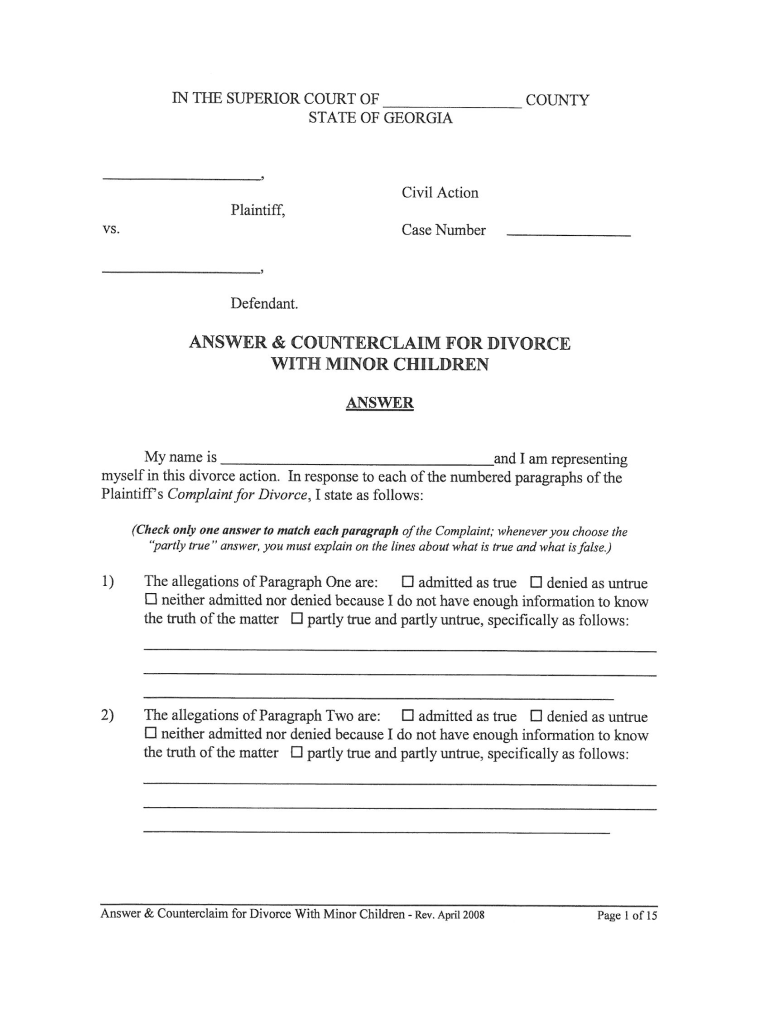







Understanding the Bill of Complaint for Divorce in Virginia
The Bill of Complaint for Divorce is a crucial document in the divorce process in Virginia. It initiates the legal proceedings and outlines the reasons why one spouse is seeking a divorce. Understanding its components is essential for both parties involved.
Essential Components of the Bill of Complaint
The Bill of Complaint includes several key elements that must be clearly presented:
- Parties Involved: The document must identify the petitioner (the spouse filing for divorce) and the respondent (the spouse being divorced).
- Jurisdiction: It should state the legal grounds for the divorce and confirm that the circuit court in Virginia has jurisdiction over the case.
- Marriage Details: This section includes the date and place of marriage, and any relevant information about children resulting from the marriage.
- Grounds for Divorce: The specific grounds under Virginia law must be stated. Common grounds include irreconcilable differences or fault-based grounds, such as adultery or abandonment.
- Relief Requested: This outlines what the petitioner is seeking from the divorce, including child custody, support, division of property, and any protective orders.
Completing the Bill of Complaint
Filing the Bill of Complaint for Divorce requires careful attention to detail. Follow these steps to ensure accuracy:
- Gather Information: Collect all necessary information about the marriage, including dates, financial records, and details regarding children.
- Fill Out the Form: Use the official Virginia divorce forms, ensuring all sections are completed accurately, especially personal information and grounds for divorce.
- Review for Errors: Double-check the completed form for any mistakes or missing information that could delay the process.
- Sign: The petitioner must sign the form, verifying the truthfulness of the information provided.
Filing and Serving the Bill of Complaint
Once the Bill of Complaint for Divorce is completed, it must be filed with the appropriate court:
- Filing Location: Typically, this is done at the circuit court in the county or city where either spouse resides.
- Filing Fee: There is a required filing fee, which varies by jurisdiction. Fee waivers may be available for qualifying individuals.
- Serving the Respondent: The respondent must be served with a copy of the Bill of Complaint, along with a summons informing them of the divorce proceedings.
Common Mistakes to Avoid
When preparing the Bill of Complaint, it's vital to be aware of frequent errors:
- Incomplete Forms: Failing to fill all required fields thoroughly can lead to rejections or delays.
- Incorrect Grounds: Misstating the grounds for divorce can complicate the legal process and may require amendments.
- Neglecting Signature: Not signing the document can invalidate the filing.
Additional Resources and Support
It’s advisable for individuals to seek legal advice, especially when navigating divorce laws and procedures. Legal professionals can provide guidance tailored to individual circumstances, helping to ensure that all forms, including the Bill of Complaint, are correctly completed and filed.
In summary, the Bill of Complaint for Divorce in Virginia is a fundamental document that requires careful preparation and understanding of legal procedures to facilitate a smooth divorce process. Familiarity with its components and submission rules can make the transition less daunting for both parties.