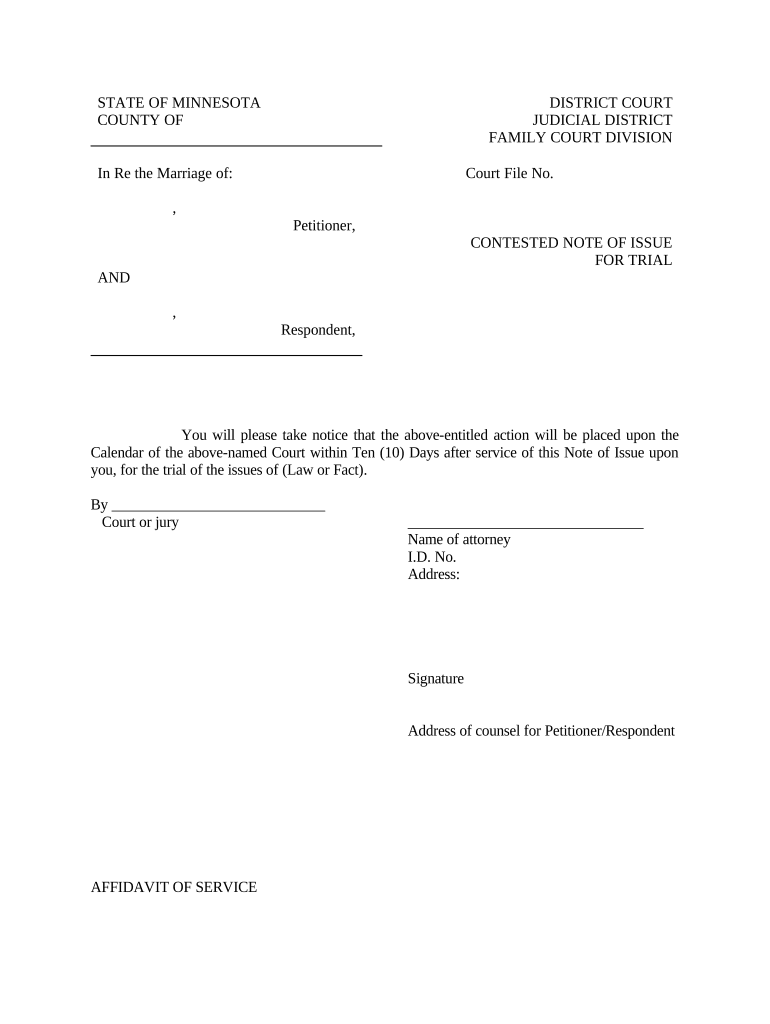
Notice to appear at trial in lieu of subpoenaTrial Setting Conference StatementNotice to appear at trial California sampleTrial readiness conferenceCCP 1987(c)Civil subpoena for personal appearance at TrialSacramento superior court trial assignmentsHow many days notice for subpoena
Security and compliance
At DocHub, your data security is our priority. We follow HIPAA, SOC2, GDPR, and other standards, so you can work on your documents with confidence.
A Notice to Attend (also called a Notice in Lieu of Subpoena) is a written notice that requires the other person to attend the court hearing (court date) orRead more
The Obligor must file the motion with the court clerk within one year from the date the first collection of support is made. PROOF OF SERVICE BY MAIL. MyRead more
Rule 503.3. Settings and Notice; Postponing Trial (2013)
Apr 15, 2013 The court must send a notice of the date, time, and place of this setting to all parties at their address of record no less than 45 days before the settingRead more
Cookie consent notice
This site uses cookies to enhance site navigation and personalize your experience.
By using this site you agree to our use of cookies as described in our Privacy Notice.
You can modify your selections by visiting our Cookie and Advertising Notice.