





Definition and Meaning of the Tenancy Agreement
A tenancy agreement is a formal legal docuпment outlining the rights and responsibilities of both landlords and tenants in a rental situation. This specific form, often referred to as a lease or rental agreement in the United States, ensures that both parties have clarity on various aspects of the rental arrangement. The phrase "THIS TENANCY AGREEMENT comprises the particulars detailed above and the" typically precedes sections that detail vital components such as the duration of tenancy, rental payments, and specific terms governing the property.
Key Aspects of a Tenancy Agreement
- Particulars of the Agreement: This section includes the names of the landlord and tenant, the address of the rental property, and defining the nature of the tenancy (fixed-term or periodic).
- Financial Terms: Essential terms include rent amount, payment dates, and address where payments should be sent.
- Rights and Responsibilities: This covers areas like maintenance obligations, use of property, and rules for subletting.
- Termination Clauses: Specifies how either party may terminate the agreement, including notice periods and conditions for eviction.
- Additional Conditions: This may cover pet policies, smoking restrictions, or alterations to the property.
How to Use the Tenancy Agreement
Utilizing the tenancy agreement effectively requires understanding its components and ensuring that both parties fulfill their obligations laid out in the contract. To use this form correctly, follow the steps outlined below.
Steps for Utilizing the Tenancy Agreement
- Review the Document: Both landlord and tenant should read through the agreement to ensure clarity and mutual understanding of terms.
- Negotiate Terms: Prior to signing, it's common to negotiate aspects like rent, security deposits, or duration of the lease.
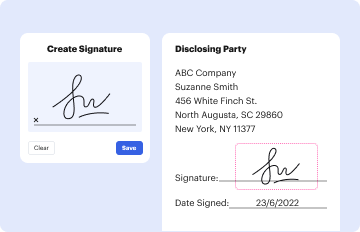
- Sign the Agreement: Both parties should sign and date the document to make it legally binding.
- Distribute Copies: Ensure both the landlord and tenant have signed copies of the tenancy agreement for their records.
- Review Periodically: It's wise to revisit the agreement at renewal or if issues arise, updating the document as necessary and mutually agreed.
Steps to Complete the Tenancy Agreement
Completing a tenancy agreement involves various key steps from gathering necessary information to ensuring legal compliance. Each step is crucial for the accuracy and enforceability of the contract.
Detailed Completion Steps
- Gather Necessary Information: Collect personal information for both parties, including full names, contact details, and identification.
- Detail the Property Information: Clearly specify the rental property's address and any specific details about the premises.
- Specify Rental Terms: Include rent amount, payment details, duration of tenancy, and any provisions related to renewals or terminations.
- Include Legal Clauses: Consider typical legal requirements in your jurisdiction, such as security deposit laws or habitability standards.
- Final Review: Verify all entered details for accuracy and completeness before signing.
- Signature and Date: Ensure both parties sign the tenancy agreement and retain copies for record-keeping.
Important Terms Related to the Tenancy Agreement
Understanding key terms associated with tenancy agreements is vital for compliance and effective management of rental properties. Familiarity with common terminology enhances communication between landlords and tenants.
Key Terms and Their Meanings
- Fixed-Term Lease: This type of agreement lasts for a specified period, usually one year, during which rental terms cannot be changed.
- Periodic Tenancy: A rental agreement that runs on a week-to-week or month-to-month basis and does not require a fixed end date.
- Security Deposit: A monetary deposit held by the landlord to cover damages or unpaid rent, typically returned to the tenant following lease termination if conditions are met.
- Maintenance Responsibilities: Responsibilities delineated in the agreement regarding who is obligated to maintain the property and handle necessary repairs.
- Eviction Process: The legal process landlords must follow to remove a tenant failing to uphold lease terms or not paying rent.
Legal Use of the Tenancy Agreement
Employing a tenancy agreement legally ensures that both parties adhere to the terms outlined and protects their rights. Understanding the legal framework governing these agreements is crucial for compliance.
Legal Considerations for Tenancy Agreements
- State Laws: Each state in the U.S. has specific regulations regarding rental agreements, including required disclosures and permissible lease terms. Landlords should ensure compliance with local statutes.
- Fair Housing Act: A federal law ensuring that landlords cannot discriminate against tenants based on race, color, religion, sex, national origin, familial status, or disability.
- Enforceability: For a tenancy agreement to be enforceable, it must contain clear terms, be signed by both parties, and comply with relevant laws to prevent disputes.
- Amendments: Any changes to the tenancy agreement should be documented in writing and signed by both parties to maintain legal validity.
Understanding these elements enhances the adherence to the tenancy agreement, protects all parties involved, and minimizes the risk of legal disputes throughout the rental period.