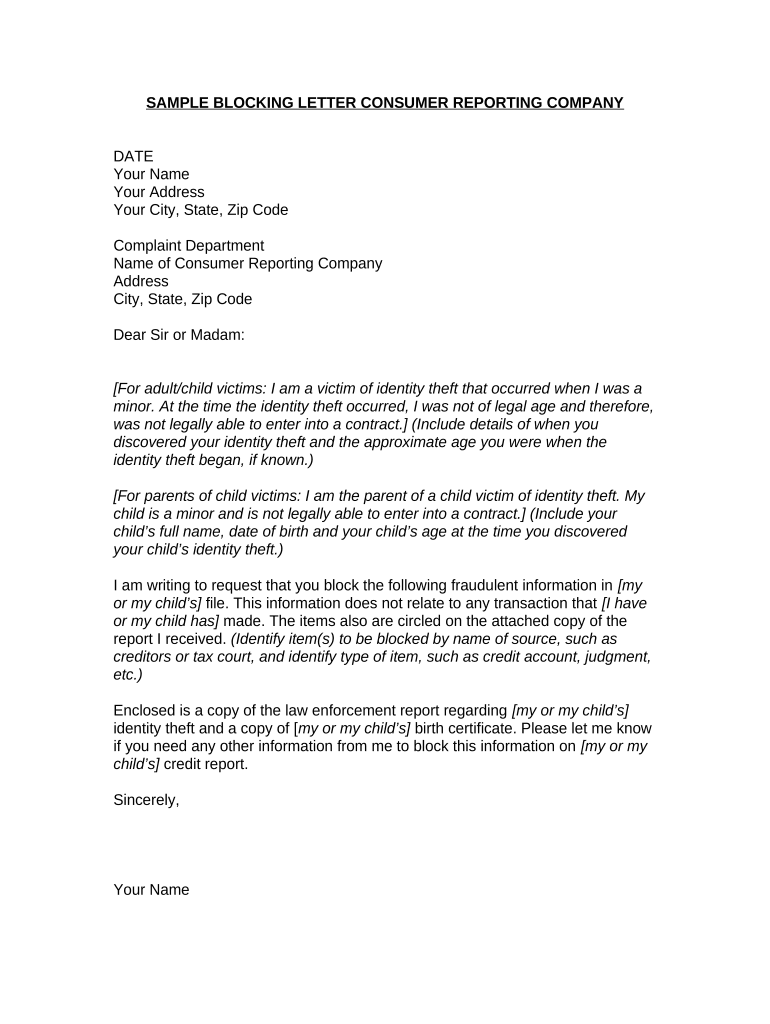







Definition and Meaning of a Letter Reporting Theft
A letter reporting theft is a formal document used to notify authorities or relevant parties about stolen property or materials. This type of letter articulates the details of the theft incident, including information about the stolen items, the circumstances surrounding the event, and any relevant identification information of the victim or the stolen goods.
Purpose and Importance
The purpose of this letter is twofold: to formally document the theft for legal and criminal purposes and to serve as a starting point for investigations. It is critical in facilitating a police report, enabling victims to seek recovery for materials lost, or assisting insurance claims for the stolen property.
Key Components
- Identification Information: The letter should contain the sender's full name, address, and contact information. If the theft is reported in a business context, the business name and contact information should also be included.
- Details of the Incident: A concise account of the theft, including the date, time, and location, as well as any witness information.
- Description of Stolen Property: Specific details regarding the items taken, such as brand, model, serial numbers, and approximate value.
Steps to Complete a Letter Reporting Theft
Creating a letter reporting theft involves specific steps to ensure clarity and completeness. Here are essential steps to follow:
- Gather Information: Compile all relevant details about the theft and the stolen items.
- Use a Professional Format: Adopt a formal letter format. Start with your address at the top, followed by the date, and then the recipient's address.
- State Your Intent: Begin the letter by clearly stating its purpose, which is to report the theft.
- Provide Detailed Accounts: Elaborate on the theft incident, including the specific items stolen and any previous attempts to address the issue (e.g., earlier reports to your workplace or insurance company).
- Add Supporting Documentation: If applicable, attach any related documents, such as a police report reference number or proof of ownership for the stolen items.
How to Use the Letter Reporting Theft
This letter can be utilized in various contexts, including personal theft situations or business-related material theft. The letter may also serve as an official communication with law enforcement, insurance companies, or other affected parties.
Common Contexts for Use
- Personal Use: In the case of home burglaries, the letter helps report the incident to police or initiate conversations with your insurance provider about claims for recovery.
- Workplace Incidents: For thefts occurring in a workplace, the letter can be submitted to the HR department or security officials, outlining the circumstances for internal records and follow-up.
Best Practices
- Maintain a copy of the letter for your records.
- Follow up with recipients to confirm receipt of your letter.
- Keep a timeline of all communications related to the theft.
Examples of Using the Letter Reporting Theft
Practical examples illustrate how to use this letter effectively in various situations:
Individual Theft Reporting
Imagine your bicycle was stolen from your garage. You would write a letter to your local police department describing the theft. Your letter could include:
- The date and how the bike was stolen.
- A detailed description of the bicycle, including color and any unique identifiers like stickers or modifications.
Business Context
A company discovers that a significant number of laptops were stolen from their office. The theft letter sent to law enforcement would encompass:
- The number of laptops taken and their value.
- Information about any potential security footage available from the theft scene and the immediate steps the company has taken to address the theft internally.
Key Elements of a Letter Reporting Theft
Ensuring the letter is well-structured includes incorporating the following key elements for effectiveness:
- Subject Line: A clear subject indicating the purpose—for example, "Letter Reporting Theft of [Item]".
- Greeting: A professional greeting that addresses the recipient's title and name.
- Body Content: This should be divided into paragraphs detailing the incident, victim information, and the items stolen.
- Closing Statement: A polite closing thanking the recipient for their attention and requesting further action or follow-up.
Legal Use of the Letter Reporting Theft
Understanding the legal context surrounding a letter reporting theft reinforces its importance. This formal document not only serves as a notification of an incident but can also play a pivotal role in:
- Filing Police Reports: Provides a necessary support document for law enforcement investigations.
- Insurance Claims: Insurers require evidence of theft before processing claims. A letter reporting theft can serve as proof.
Compliance and Expectations
When writing such a letter, consider:
- Complying with any local regulations or guidelines about reporting theft.
- Being ready to provide additional documentation if requested by law enforcement or insurers.
State-Specific Rules for the Letter Reporting Theft
Different states may have particular requirements or nuances associated with reporting theft, impacting how you write your letter.
Guidelines by State
- California: May require specific information regarding the stolen goods for precise tracking within the police systems.
- Texas: Essential to report the theft within a certain timeframe to facilitate investigations and potential recovery.
Understanding these regulations can ensure the letter complies with local laws and enhances clarity for the recipients.
Who Typically Uses the Letter Reporting Theft?
Various individuals and entities utilize letters reporting theft, including:
- Homeowners: To notify local authorities about personal property thefts.
- Business Owners: When company assets are stolen, especially in the context of employee misconduct or external theft.
- Insurance Policyholders: To provide proof for claims following incidents of theft.
In each case, the underlying reason for using this type of letter is to facilitate the recovery of stolen items or to initiate legal proceedings.