
Letter to Lienholder to Notify of Trust - Texas 2026

Get Form
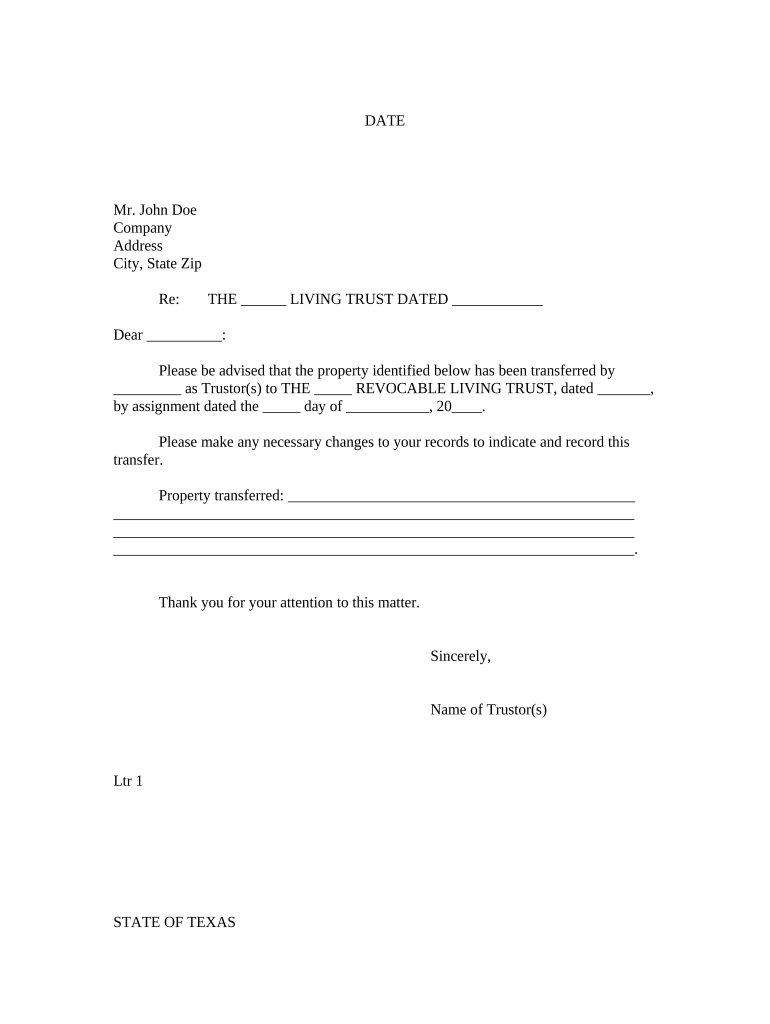
Letter to Lienholder to Notify of Trust - Texas Preview on Page 1

Here's how it works

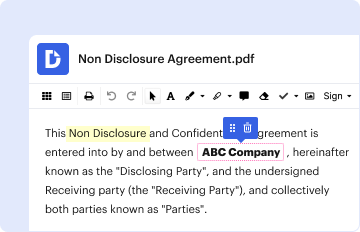
01. Edit your form online
Type text, add images, blackout confidential details, add comments, highlights and more.
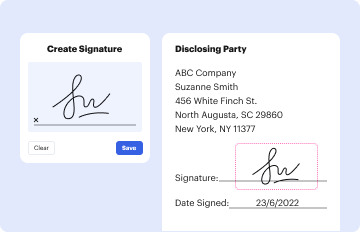
02. Sign it in a few clicks
Draw your signature, type it, upload its image, or use your mobile device as a signature pad.
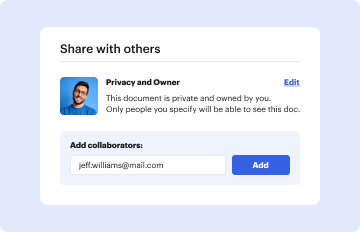
03. Share your form with others
Send it via email, link, or fax. You can also download it, export it or print it out.

How to use or fill out Letter to Lienholder to Notify of Trust - Texas with our platform

Form edit decoration
9.5
Ease of Setup
DocHub User Ratings on G2
9.0
Ease of Use
DocHub User Ratings on G2
  1. Click ‘Get Form’ to open the Letter to Lienholder in the editor.
  2. Begin by entering the date at the top of the document. This is essential for record-keeping purposes.
  3. Fill in the recipient's name, company, address, city, state, and zip code in the designated fields. Ensure accuracy to avoid any delays.
  4. In the section labeled 'Re:', specify the name of the living trust and its date. This identifies which trust is being referenced.
  5. Next, provide details about the property that has been transferred. Clearly list all relevant information in the space provided.
  6. Conclude with a polite closing statement and sign off with the name(s) of the Trustor(s).
  7. Finally, ensure you complete the acknowledgment section for notarization if required. This may involve filling in additional details about your notary public.

Start using our platform today to streamline your document editing and signing process for free!

be ready to get more

Complete this form in 5 minutes or less

Get form

Got questions?

We have answers to the most popular questions from our customers. If you can't find an answer to your question, please contact us.
Contact us
What are the key requirements for a Texas deed of trust? A Texas deed of trust must include the names of the borrower, lender, and trustee, a legal description of the property, the loan amount and repayment terms, and a power of sale clause that enables non-judicial foreclosure.
As long as you are confident that your trust is validly formed in accordance with state law, recording is not required nor necessary. However, for extra peace of mind, you may choose to record your Certificate of Trust with the county clerks office in order to protect it from unauthorized changes or access.
The person signing the Deed of Trust is called the Grantor. This is the person that owes the borrowed money. Also called the Borrower. This Grantor is the only person to sign the document.
The Deed of Trust must be in writing, signed by the property owner, and filed in the County Clerk property records. The Deed of Trust should describe the loan amount, name a Trustee, and describe the collateral securing the loan. A correct legal description of the property is essential for a valid Deed of Trust.
The first clause that Mindy checks for is the consideration acknowledgment clause. Whats the purpose of this clause? It acknowledges the grantors receipt of something of value from the grantee in exchange for the property.

Security and compliance

At DocHub, your data security is our priority. We follow HIPAA, SOC2, GDPR, and other standards, so you can work on your documents with confidence.

Learn more
ccpa2
pci-dss
gdpr-compliance
hipaa
soc-compliance

People also ask

Requirements For A Valid Deed In Texas The Form of the Deed. In Texas, a deed must be in writing and signed by the person transferring the land. Identifying the Parties to the Transfer. Describing the Land in the Deed. Executing or Signing the Deed. Delivery and Acceptance of the Deed by the Grantee.
The granting clause grants the property with its related rights and appurtenances, beginning with grants, sells, and conveys. The habendum clause defines the extent of property ownership conveyed to the grantee, beginning with to have and to hold. The warranty clause describes the warranties of title made by the

Related links