






Definition and Meaning of the Surrender Form
The surrender form is a legal document that facilitates the voluntary relinquishment of ownership or possession of an asset, most commonly associated with vehicles and property. In the context of vehicles, this document is often used when an individual can no longer afford their loan payments and chooses to return the vehicle to the lender or dealer. This process is known as a voluntary surrender, and it is typically a last resort to avoid repossession.
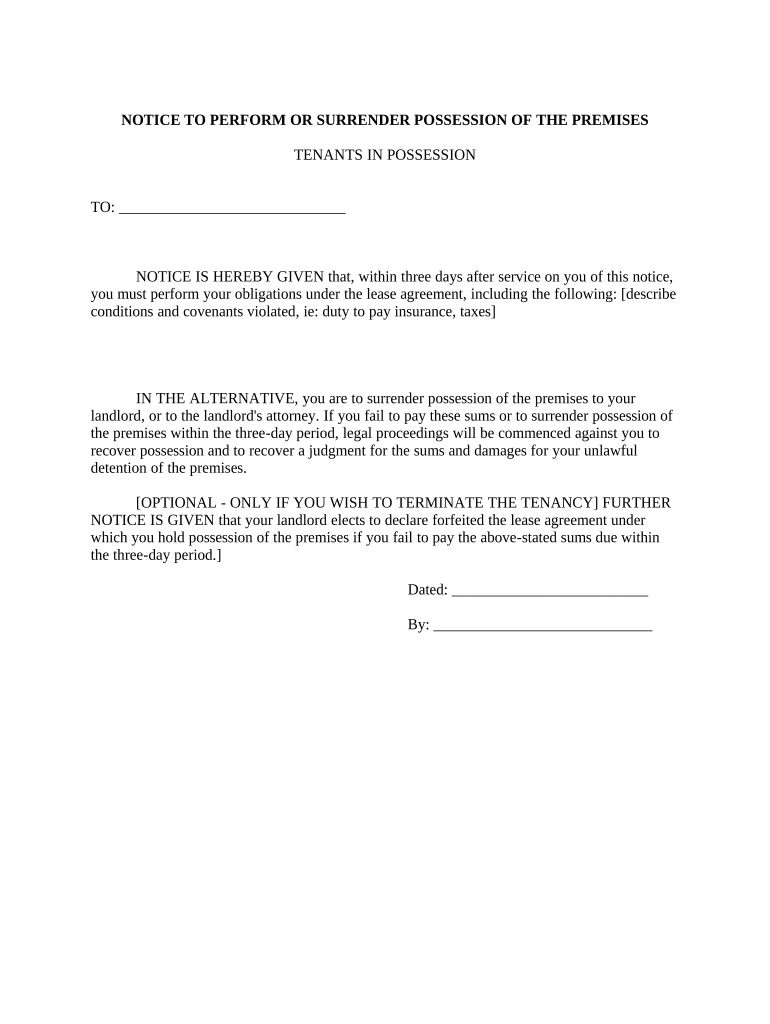
A surrender form serves various purposes depending on the context in which it is used. For vehicle loans, it acts as a formal declaration from the borrower to the lender, indicating an intention to return the vehicle and end financial obligations associated with it. For property leases, a surrender form notifies landlords of a tenant's intent to relinquish the lease agreement. This document must meet specific legal requirements to be enforceable and must be completed accurately to protect both parties involved.
Steps to Complete the Surrender Form
Completing a surrender form involves specific steps to ensure that all necessary information is accurately provided. Follow these guidelines to properly fill out the form.
- Obtain the Correct Form: Make sure you have the right version of the surrender form tailored to your specific needs, whether it concerns a vehicle or property.
- Provide Personal Information: Fill in your full name, address, and contact information. This establishes your identity and provides a means of communication.
- Detail the Asset Information: Describe the asset you are surrendering. For vehicles, include the make, model, year, and Vehicle Identification Number (VIN). For property, specify the lease agreement details.
- State the Reason for Surrender: Clearly articulate why you are surrendering the asset. This helps establish context, especially in legal situations regarding financial issues.
- Sign and Date the Document: Your signature is critical, as it indicates your agreement to the terms outlined in the surrender form. Ensure that you also date the document to establish a timeline.
- Submission: Follow the submission guidelines specified by the entity receiving the form. This may involve mailing the form to a specific address, submitting it online, or delivering it in person.
Who Typically Uses the Surrender Form
The surrender form is commonly used by various parties in both personal and professional contexts. Key users typically include:
- Vehicle Owners: Those facing financial difficulties and wish to voluntarily surrender their car instead of going through the bank’s repossession process.
- Tenants: Individuals who decide to end their lease early due to various reasons, such as relocation, job changes, or personal circumstances.
- Business Entities: Companies that may surrender leased equipment or properties as part of operational changes or downsizing efforts.
- Financial Institutions: Banks or credit unions require surrender forms from clients to document the return of vehicles or properties as part of loan agreements.
These users often seek to protect their interests legally and mitigate potential financial repercussions associated with defaults or early lease terminations.


Important Terms Related to the Surrender Form
Understanding key terms associated with the surrender form is essential for effectively navigating the process. Some important terms include:
- Voluntary Surrender: The act of returning an asset willingly, typically to avoid more severe consequences like repossession or foreclosure.
- Lender: The financial institution that provides the loan for the asset and has the right to repossess it if payments are not met.
- Lessee: An individual or entity renting a property, who has the right to surrender the lease under certain conditions.
- Lease Agreement: A legally binding contract outlining the terms under which one party agrees to rent property from another party.
Familiarity with these terms can enhance comprehension of the surrender process and help ensure proper handling of the relevant documentation.
State-Specific Rules for the Surrender Form
Surrender form requirements may vary by state, influencing how individuals and businesses approach the surrender process. For example:
- California: Specific disclosure requirements are mandated for voluntary vehicle surrenders, including the necessity to inform the lender of the vehicle's location.
- New York: Tenants may require a written notice of intent to surrender, specifying the lease terms and any applicable notice periods.
- Texas: The state outlines particular penalties related to non-compliance with surrender provisions, affecting both tenants and vehicle owners.
Understanding your state’s particular rules can prevent legal issues and ensure proper submission of the surrender form.
Legal Use of the Surrender Form
The surrender form is a legally recognized document that provides a clear record of the voluntary relinquishment of ownership or possession of an asset. Its legal implications include:
- Proof of Intent: A properly executed surrender form serves as evidence of the party's intention to surrender the asset, which can be crucial in resolving disputes.
- Protection from Liability: By documenting the surrender process, individuals can protect themselves from ongoing obligations associated with the asset, such as loan repayments or lease terms.
- Compliance with Laws: Submission of a valid surrender form typically fulfills legal requirements set forth by lenders or rental agreements, ensuring that both parties adhere to established laws and guidelines.
Understanding its legal context helps parties use the surrender form effectively and minimizes potential disputes.
Required Documents for Surrender Process
When preparing to submit a surrender form, certain documents may be necessary to support the process. Commonly required documents include:
- Loan Agreement: This serves as proof of the original transaction and details any existing financial obligations related to the asset.
- Identification: Government-issued IDs may be needed to verify the identity of the person completing the form, especially for vehicle surrenders.
- Lease Agreement: In cases of property surrender, the original lease document provides necessary context regarding the tenant's obligations.
- Payment History: This may be required to show compliance with the terms of the loan or lease prior to surrender.
Collecting and organizing these documents can facilitate a smooth surrender process and help avoid delays or disputes.