Definition and Meaning of a Quit Claim Sample Letter
A quit claim sample letter is a legal document used to relinquish ownership rights or interests in a property without making any guarantees regarding the title’s validity. The letter typically facilitates the transfer of property rights from one party, known as the grantor, to another party, called the grantee.
Unlike a warranty deed, which offers assurances about the property’s title, a quitclaim deed presents no such warranties, making it a more straightforward and quicker option for transferring property interests. It is commonly utilized in situations like divorce settlements, transfers between family members, or correcting title defects.
Important Terms Related to Quit Claim Sample Letter
- Grantor: The individual or entity transferring their interest in the property.
- Grantee: The individual or entity receiving the property interest.
- Property Description: A detailed account of the property being transferred, which may include the address and legal property description.
- Consideration: This refers to the compensation or exchange involved in the transfer, which may be $0 in some cases, particularly in family transfers.
Steps to Complete the Quit Claim Sample Letter
Creating a quit claim sample letter involves several crucial steps to ensure that the document is correctly drafted and legally binding.
- Gather Necessary Information: Collect details about the property, including the legal description, current owner's name, and any existing liens or encumbrances.
- Identify the Grantor and Grantee: Clearly specify who is transferring the property rights and who will receive them.
- Draft the Letter: Use a structured format that includes the title of the document (e.g., Quit Claim Deed), date, names, property description, and terms of transfer.
- Signatures: Ensure that the grantor signs the document in the presence of a notary public to validate the transfer.
- Notarization: After signing, the document must be notarized to confer legal authority to the quit claim deed.
Who Typically Uses a Quit Claim Sample Letter
Certain individuals and entities frequently utilize quit claim sample letters. These may include:
- Divorcing Couples: To transfer property rights as part of a divorce settlement.
- Family Members: When property is transferred within a family, ensuring straightforward ownership transfer.
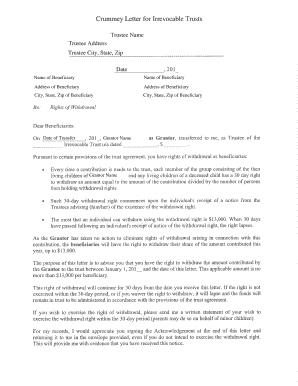
- Trustees: Providing property to beneficiaries where formal assurances of title aren’t required.
- Real Estate Investors: Simplifying transactions when dealing with properties of uncertain titles.
Legal Use of the Quit Claim Sample Letter
The quit claim sample letter is recognized as a legal document in the United States, but its enforceability can depend on several factors:
- Proper Execution: The document must be duly signed and notarized to be considered valid.
- State Laws: Variations in state laws could dictate specific requirements for the quitclaim process.
- Disclosure: Both parties must understand the implications of a quit claim, especially the absence of guarantees regarding the property.
This document should be filed in the local property records office to update public records and maintain transparency regarding property ownership.
Examples of Using the Quit Claim Sample Letter
Several scenarios illustrate the practical applications of a quit claim sample letter. Consider these examples:
- Divorce Settlement: After a divorce, one spouse may relinquish interest in the family home to the other spouse via a quit claim deed. This facilitates smooth transition and reallocation of property rights.
- Estate Planning: A parent may decide to transfer property ownership to a child as part of estate planning. A quit claim letter can accomplish this without the complexities of a traditional sale.
- Correcting Title Issues: If a property was inadvertently granted to multiple parties, a quit claim letter can serve to clarify ownership and prevent future disputes.
State-Specific Rules for the Quit Claim Sample Letter
Each state in the U.S. may have specific laws regarding the execution and filing of quit claim sample letters:
- Filing Requirements: Some states require quit claims to be filed with county records to be effective.
- Notarization Rules: Certain jurisdictions have distinct notarization protocols, including witnesses or specific signing formats.
- Tax Implications: Depending on the state, property transfers through a quit claim may trigger property tax reassessment or other financial implications.
Understanding these unique state rules is crucial to ensure compliance and avoid potential legal issues.
Key Elements of the Quit Claim Sample Letter
A well-crafted quit claim sample letter should include several key elements to clearly document the intention of transferring property rights:
- Title: Clearly marked as "Quit Claim Deed".
- Date: The date when the document is executed.
- Parties Involved: Full names and addresses of both grantor and grantee.
- Property Description: A detailed description of the property, including its legal description.
- Consideration: Information regarding any exchange of value, even if it is nominal.
- Signatures: Signature of the grantor with notarization. Optionally, the grantee’s signature might also be included.
Inclusion of these sections will ensure that the document's intent is clearly communicated and legally enforceable.