





Definition and Meaning of an Apology Letter
An apology letter is a written document expressing regret for a mistake, misunderstanding, or wrongdoing. This formal communication serves multiple purposes, including seeking forgiveness, clarifying the context of the situation, and outlining steps taken to rectify the issue. In various contexts, such as legal settings or personal relationships, the structure and tone of the letter may differ, but the core objective remains the same: to communicate remorse sincerely and effectively.
Importance of Apologizing
- Restores Relationships: An apology letter can mend relationships by acknowledging harm and showing willingness to make amends.
- Demonstrates Accountability: Writing an apology reflects personal accountability and a commitment to responsible behavior.
- Reduces Tension: By addressing grievances, an apology can help alleviate tension between parties, enhancing communication.
How to Use an Apology Letter
Using an apology letter effectively requires careful thought and structure. The process begins with understanding the audience and the circumstances surrounding the need for an apology. Common uses include:
- Personal Relationships: Apologizing to friends or family members for misunderstandings or actions that caused hurt.
- Professional Settings: Addressing mistakes made in business dealings or poor service to customers.
- Legal Contexts: Required communication to victims or courts, such as a court-ordered apology letter to a victim for a crime.
Key Components of an Effective Apology Letter
- Clear Subject: Make the intent of the letter clear immediately.
- Sincere Acknowledgment: Recognize the specific actions that caused harm.
- Expression of Regret: Convey genuine remorse for the impact of one's actions.
- Action Steps: Explain how you intend to rectify the situation or prevent future occurrences.
Steps to Complete an Apology Letter
Writing an effective apology letter can be broken down into a straightforward process. Here’s how to structure it:
- Begin with a Direct Address: Start by addressing the recipient by name to add a personal touch.
- State the Purpose Clearly: Mention your reason for writing right away to ensure clarity.
- Acknowledge the Offense: Clearly articulate the specific action that led to the need for an apology.
- Express Remorse: Use heartfelt language to convey your feelings about the situation.
- Outline Corrective Measures: Detail what steps will be taken to rectify the situation or improve in the future.
- Invite Dialogue: Encourage the recipient to respond or share their feelings regarding your letter.
Who Typically Uses the Apology Letter
Apology letters are utilized by various individuals and professionals across numerous sectors. The following groups commonly find these letters beneficial:
- Individuals: Friends, family members, or acquaintances seeking to mend personal relationships.
- Business Professionals: Companies addressing customer complaints or service errors.
- Legal Practitioners: Individuals involved in criminal or civil cases where the legal requirement necessitates an apology.


Contexts Requiring Apology Letters
- Customer Relations: Businesses may need to apologize for service failures, product issues, or misunderstandings.
- Victim Communications: Offenders may be required to submit a formal apology to victims as part of a restorative justice process.
- Legal Submissions: Courts may require apologies in certain cases to acknowledge harm and promote accountability.
Important Terms Related to Apology Letters
Understanding terms associated with apology letters can help clarify their significance and application.
- Remorse: A deep sense of regret or guilt for a wrong committed.
- Reconciliation: The process of restoring friendly relations after a conflict or disagreement.
- Victim Impact: Referring to the consequences of an offense on the victim, which an apology seeks to address.
- Formal Affidavit: A sworn statement that may accompany legal apologies or serve as a record in legal proceedings.
Variants of Apology Letters
There are different types of apology letters depending on context, including:
- Court Apology Letters: Specifically structured to meet legal requirements and address victims.
- Informal Apology Letters: Casual communications for personal relationships, focusing more on emotional connection rather than formality.
- Business Apology Letters: These focus on customer service, highlighting compensation offers or remedies.
Examples of Using the Apology Letter
Empirical examples help illustrate how to effectively craft an apology letter. Here are a few scenarios:
- Court Apology Letter Example: A defendant writes to the judge expressing remorse over a crime, detailing how they plan to change their behavior.
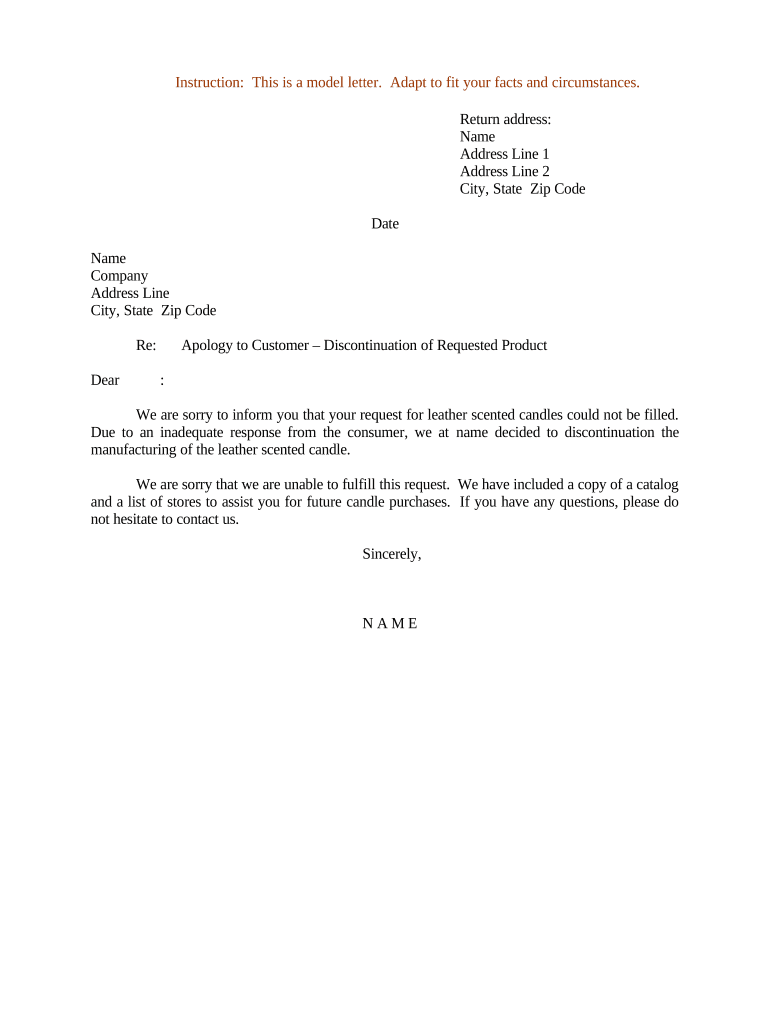
- Customer Apology Letter Example: A business sends a letter to a customer apologizing for a delayed order, acknowledging the inconvenience and offering a discount on future purchases.
- Personal Apology Letter Example: An individual apologizes to a friend for missing a significant event, expressing regret and offering to make it up.
Overall Structure of an Example Letter
- Subject Line: Clear and to the point (e.g., Apology for Delay in Service).
- Opening Statement: Address the specific issue at hand.
- Acknowledgment: Detail the impact your actions had on others.
- Sincere Apology: Use clear, remorseful language to connect emotionally.
- Commitment to Improve: Lay out how you will prevent similar issues in the future.