Regulations shopping 2026

Get Form
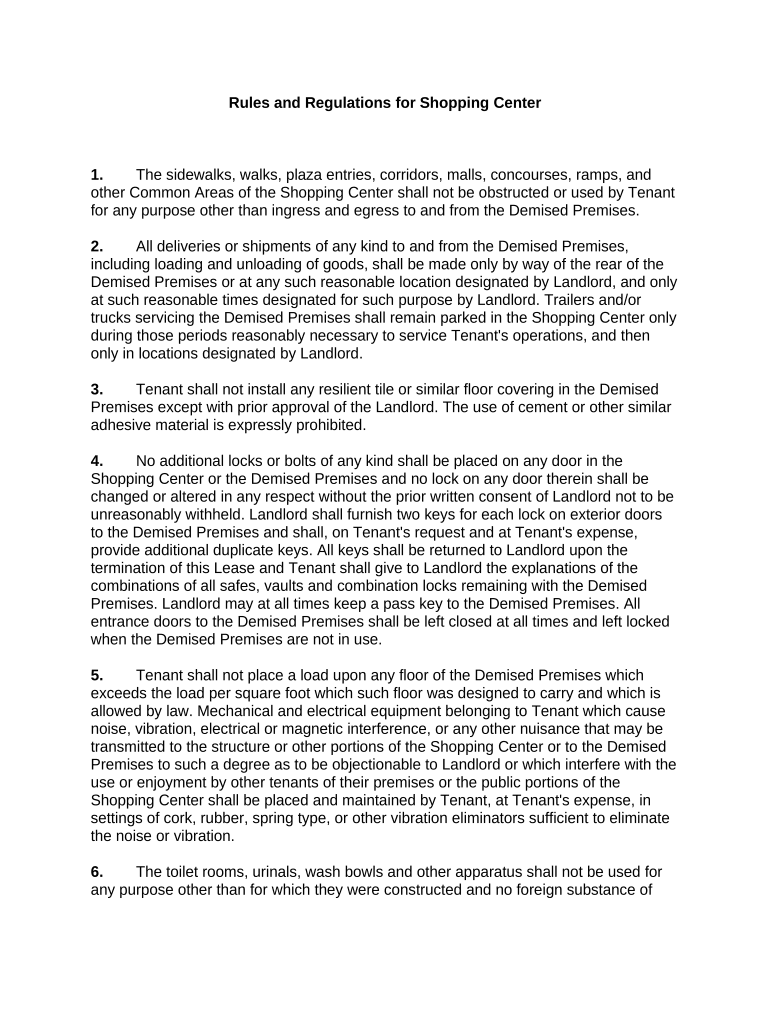
regulations shopping Preview on Page 1

Here's how it works

01. Edit your form online
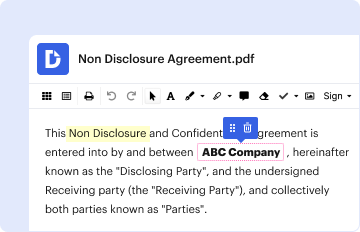
Type text, add images, blackout confidential details, add comments, highlights and more.
02. Sign it in a few clicks
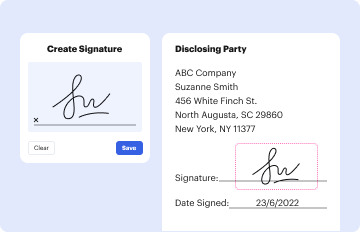
Draw your signature, type it, upload its image, or use your mobile device as a signature pad.
03. Share your form with others
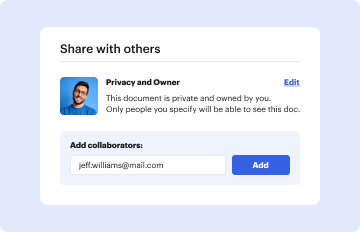
Send it via email, link, or fax. You can also download it, export it or print it out.

How to use or fill out regulations shopping with our platform

Form edit decoration
9.5
Ease of Setup
DocHub User Ratings on G2
9.0
Ease of Use
DocHub User Ratings on G2
  1. Click ‘Get Form’ to open the regulations shopping document in the editor.
  2. Begin by reviewing the first section regarding Common Areas. Ensure you understand that these areas should only be used for ingress and egress.
  3. Proceed to the delivery guidelines. Fill in any required details about your delivery schedule and ensure compliance with designated loading areas.
  4. In the section about floor coverings, indicate if you plan to install any resilient tiles and note that prior approval from Landlord is necessary.
  5. Complete the sections on signage and advertising by providing any proposed designs or requests for approval, ensuring they align with Landlord's criteria.
  6. Finally, review all sections for compliance and ensure that all fields are filled accurately before submitting your form for processing.

Start using our platform today to streamline your regulations shopping process for free!

be ready to get more

Complete this form in 5 minutes or less

Get form

Got questions?

We have answers to the most popular questions from our customers. If you can't find an answer to your question, please contact us.
Contact us
Consumer protection laws safeguard purchasers of goods and services against defective products and deceptive, fraudulent business practices.
What Is Regulatory Arbitrage? Regulatory arbitrage is a practice whereby firms capitalize on loopholes in regulatory systems in order to circumvent unfavorable regulations.
A regulation is a rule made and maintained by an authority, typically a governmental agency, to control or govern conduct within its jurisdiction. Governmental administrative agencies have specific authority to regulate conduct within their areas of responsibility.
This includes for example the telecommunications, water, gas, or electricity supply. Often, regulated markets are established during the partial privatisation of government controlled utility assets.
Regulatory capture is a process by which regulatory agencies may come to be dominated by the interests they regulate and not by the public interest. The result is that the agency instead acts in ways that benefit the interests it is supposed to be regulating.

Security and compliance

At DocHub, your data security is our priority. We follow HIPAA, SOC2, GDPR, and other standards, so you can work on your documents with confidence.

Learn more
be ready to get more

Complete this form in 5 minutes or less

Get form

People also ask

Regulatory marketing is distinct from other marketing efforts as it is brand-agnostic and uses government mandates as a sales channel. Simply, if a product classification is dependent on government mandates as a sales or growth channel, this is classified as regulatory marketing.
Definition. Rules are specific guidelines or instructions created by an organization or authority to regulate behavior and activities. Regulations are official rules and directives established by the government or regulatory body, typically with legal binding, to govern specific sectors or industries.
Regulator shopping is the choosing of a government or state regulating agency or body that imposes on the choosing entity regulatory treatment more favorable than that which would be obtained from another regulating agency or body that also has the authority to regulate the choosing entity.

Related links