







Understanding the Formal Letter for Government
A formal letter for government is a structured means of communication with government officials or agencies, often utilized to address issues, request information, or express concerns. Crafting such a letter requires an understanding of etiquette, format, and the specific information to include.
Key Elements of a Formal Letter to Government
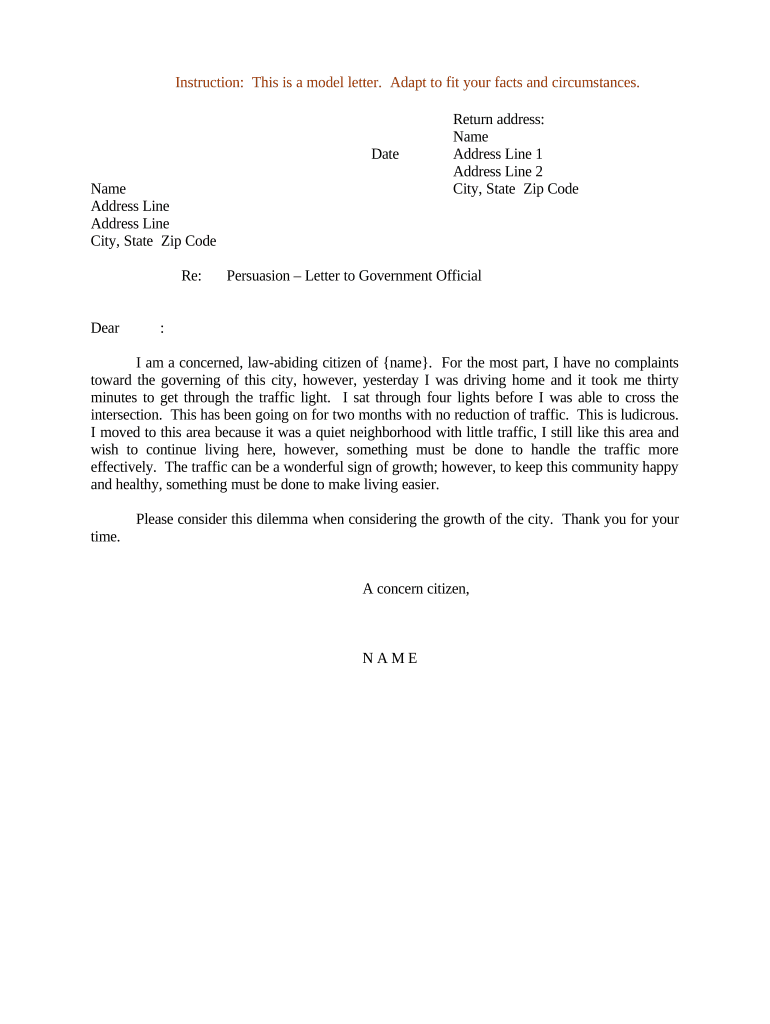
When writing a formal letter, certain elements are essential to ensure clarity and professionalism. The key components include:
- Sender's Address: Your full address should be placed at the top, aligned to the right, followed by the date.
- Recipient's Address: Include the official's title, name, and address, aligned to the left.
- Subject Line: A concise subject line summarizing the purpose of the letter.
- Salutation: Use a formal greeting, such as "Dear [Title] [Last Name]," to address the recipient respectfully.
- Body: The main content of your letter should clearly articulate your request or concern in a well-organized manner.
- Closing: End the letter with a formal closing, like "Sincerely" or "Respectfully," followed by your signature and printed name.
Format Requirements for Government Letters
Adhering to the correct format is crucial for your letter to be taken seriously. Some notable aspects include:
- Official Letter Format: Align text to the left, use standard margins, and employ a readable font such as Times New Roman or Arial in size 12.
- Single Spacing: Maintain single line spacing within paragraphs, while leaving a space between each paragraph.
- PDF Submission: If submitting electronically, convert your document to PDF format to maintain formatting integrity.
Writing Steps for a Formal Letter to Government
The writing process can be systematized into steps to make it easier:
- Identify Purpose: Clearly define the reason for your writing. Is it to request assistance, file a complaint, or provide feedback?
- Research: Gather relevant information, including the proper office address and any specific guidelines provided by the government agency.
- Draft the Letter: Follow the format guidelines, maintaining a professional tone throughout.
- Edit for Clarity and Brevity: Review your letter for any grammatical errors and ensure that the content is concise but comprehensive.
- Send the Letter: Choose your submission method—mail it directly, send it via email, or submit through official online portals if applicable.
Common Topics Addressed in Government Letters
When drafting letters, common topics may include:
- Community Concerns: Traffic issues, local services, public safety.
- Policy Feedback: Responses to proposed legislation or amendments.
- Service Requests: Applications for permits or assistance programs.
Real-World Examples of Government Letters
Consider these examples as templates for writing your formal letters:
- Traffic Management Letter: Address a local government official about increasing traffic congestion in your area, suggesting practical solutions.
- Public Health Queries: Write to a health department to inquire about vaccination programs in your community.
Important Considerations for Effective Communication
Effective communication requires attention to several nuances:
- Aim for Clarity: Avoid jargon and overly complex language to ensure that your message is easily understood.
- Know Your Audience: Tailor your tone and content according to the recipient's role and responsibilities.
- Follow Up: If you do not receive a response, a polite follow-up may be appropriate to ensure your concerns are addressed.
Legal Implications of Government Letters
Understand that letters to government officials are often a part of public records. Therefore, maintain professionalism and ensure the information shared is accurate to avoid legal repercussions.
By leveraging these guidelines, you can effectively communicate your intentions and concerns through formal letters to government offices, ultimately fostering better relationships between citizens and their representatives.




