




01. Edit your foreclosure letter from bank online
Type text, add images, blackout confidential details, add comments, highlights and more.

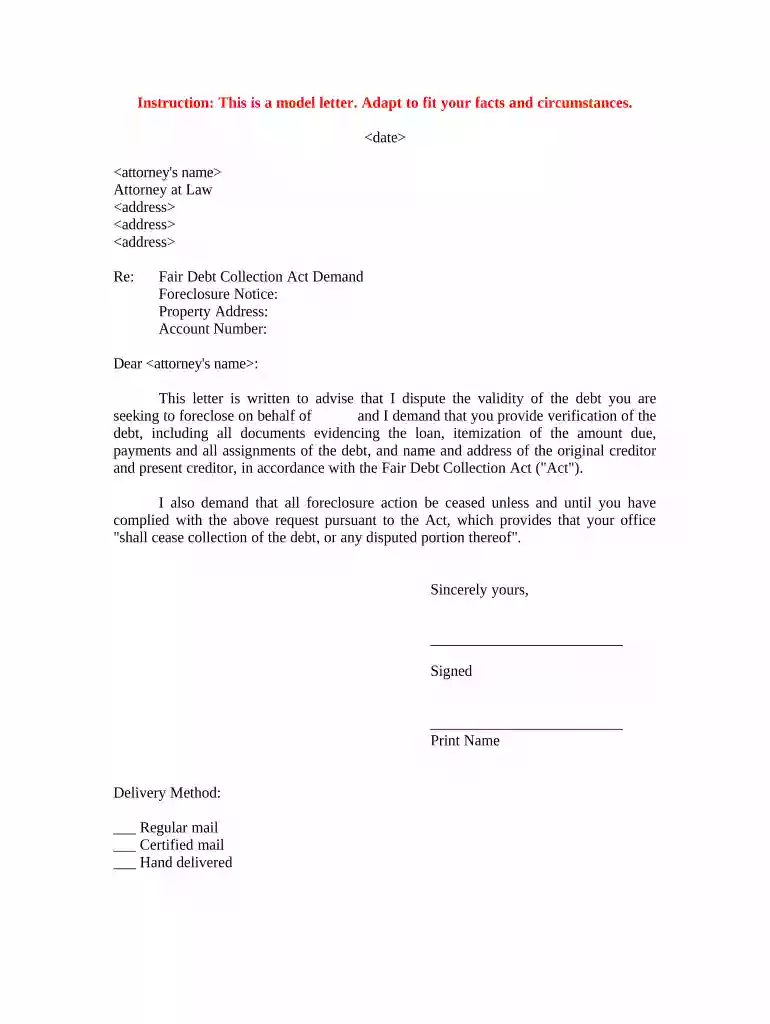
Type text, add images, blackout confidential details, add comments, highlights and more.

Draw your signature, type it, upload its image, or use your mobile device as a signature pad.

Send sample foreclosure letter from mortgage company via email, link, or fax. You can also download it, export it or print it out.
A foreclosure letter, often referred to as a foreclosure notice template, is a formal communication typically issued by a lender to a borrower who has defaulted on mortgage payments. This letter serves as a notification that the lender intends to initiate foreclosure proceedings on the property due to the borrower's failure to meet their mortgage obligations. It is essential for borrowers to understand the implications of receiving such a letter, as it represents a critical juncture in their financial and housing stability.
A foreclosure notice template usually outlines specific details regarding the borrower's account, including:
In addition to outlining financial obligations, this notice may also provide options for the borrower to remedy the default, such as repayment plans or loan modification information. Understanding these components is vital for anyone who receives a foreclosure letter.
In utilizing a foreclosure letter foreclosure notice template, borrowers should proceed with caution to ensure their rights are protected. The template is designed to provide a structured format for communicating with lenders. Here are steps to effectively utilize this document:
Personalize the Template: Ensure that the template includes specific details relevant to your situation, such as your name, address, loan account number, and the date the letter is sent.
Detail Your Circumstances: Provide a brief overview of the circumstances that may have led to your current situation. For example, if you're experiencing financial hardship due to unforeseen circumstances such as job loss or medical expenses, mention this clearly.
Request for Verification: It is advisable to include a request for verification of the debt as per the Fair Debt Collection Practices Act. This means asking the lender to provide documentation that proves you owe the stated amount.
State Your Intentions: Clearly articulate your intentions moving forward. If you plan to contest the foreclosure, state that explicitly. Alternatively, if seeking a loan modification or repayment plan is your course of action, include that information as well.
Seek Legal Guidance: Consider having a legal professional review your letter to ensure it meets all necessary legal requirements and addresses any potential complications.
By following these steps, borrowers can effectively use a foreclosure letter template to advocate for their rights and communicate clearly with their lender.
Completing a foreclosure letter foreclosure notice template requires precision and thoroughness to ensure all necessary components are included. The following steps will guide you through the process:
Gather Necessary Information: Collect all relevant documentation, including your mortgage statement, previous correspondence with the lender, and any other financial records pertinent to your situation.
Fill in Personal Details: Start with your personal details, including your name, address, and account number. Ensure these are accurate to avoid miscommunication with your lender.
Outline the Reason for Default: Clearly explain the reasons for defaulting on your loan. This could include financial hardship, unemployment, or any personal difficulties that have affected your ability to pay.
Include Legal Requests: Indicate your request for verification of the debt in compliance with the Fair Debt Collection Practices Act. Specify that you require detailed proof of the claimed debt amount.
Provide Contact Information: Include your contact information to allow the lender to reach you easily for further discussion. This shows your willingness to communicate and resolve the situation.
Review and Edit: Carefully review the completed letter for any errors or omissions. Consider having another individual read it for clarity and coherence.
Send the Letter: Once finalized, send the letter through a verified delivery method, such as certified mail, to ensure it reaches the lender and you have a record of sending.
By carefully following these steps, borrowers can ensure the completeness and effectiveness of their foreclosure letter notice template.
A well-structured foreclosure letter notice template will contain several key elements to ensure clarity and compliance with legal standards. These elements contribute to its effectiveness in communicating with lenders. Essential components include:
Header Information:
Account Information:
Statement of Default:
Legal Language:
Options for Remedy:
Closing Statement:
Incorporating these elements ensures that the foreclosure letter is both comprehensive and formal, providing a clear pathway for ongoing communication with the lender.
The foreclosure letter foreclosure notice template must adhere to certain legal standards to ensure it is recognized in a court of law, should that become necessary. Understanding these legal aspects is crucial for borrowers:
Compliance with Laws: The letter must comply with federal and state laws, notably the Fair Debt Collection Practices Act (FDCPA). This includes ensuring that debt verification requests are clearly articulated.
Timeliness: Sending the letter promptly after receiving a foreclosure notification can protect borrowers’ rights. There are often specific timelines within which borrowers must respond to foreclosure notices.
Evidence of Sending: It is important to keep evidence of sending the letter, such as receipts from certified mail. This documentation can be vital in resolving disputes.
Recording Communication: All communications with the lender after sending the letter should be documented, noting dates, times, and content of conversations.
Legal Advice: Engaging a legal professional to review the template ensures that all necessary legal criteria are met and that the content adheres to applicable laws.
By ensuring the legal aspects are correctly addressed within the foreclosure letter notice, borrowers can safeguard their interests and maintain a level of protection against wrongful foreclosure actions.
At DocHub, your data security is our priority. We follow HIPAA, SOC2, GDPR, and other standards, so you can work on your documents with confidence.


NOTICE: YOU ARE IN DANGER OF LOSING YOUR PROPERTY. IF YOU DO NOT TAKE ACTION IMMEDIATELY. This notice is about your mortgage loan on your property at:.Read more
Facing Foreclosure has been prepared as a public service by the Texas Young Lawyers. Association and is distributed by the State Bar of Texas.Read more


