




01. Edit your letter of release online
Type text, add images, blackout confidential details, add comments, highlights and more.

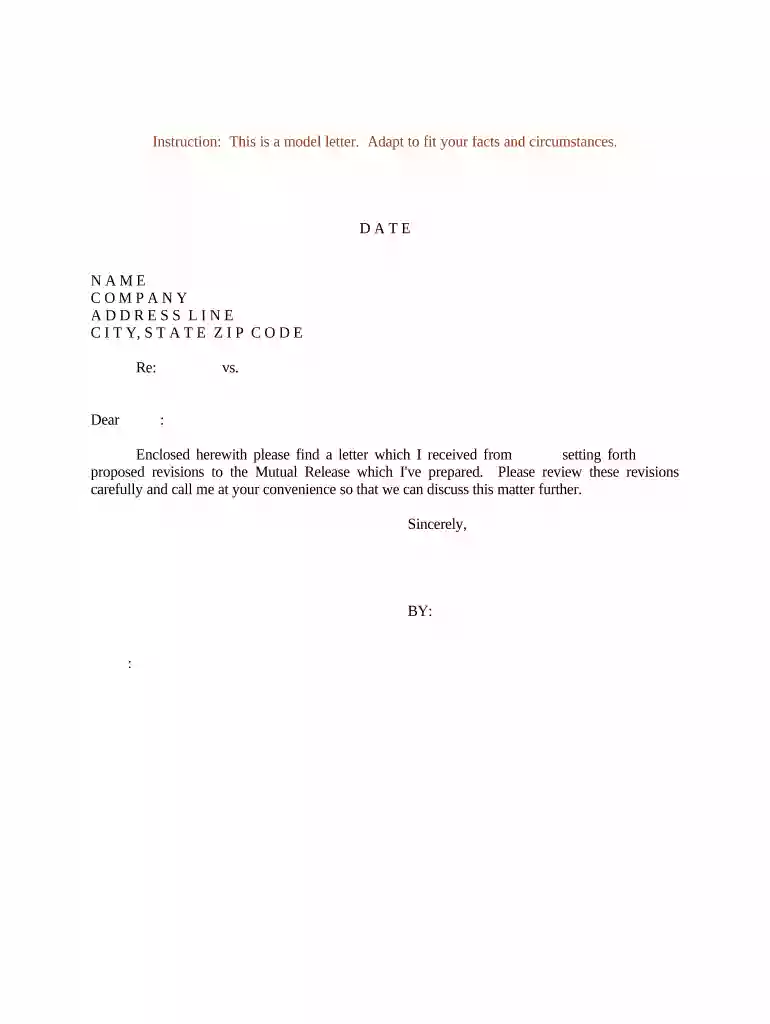
Type text, add images, blackout confidential details, add comments, highlights and more.

Draw your signature, type it, upload its image, or use your mobile device as a signature pad.

Send release letter via email, link, or fax. You can also download it, export it or print it out.
A release letter serves as a formal document that indicates the relinquishment of specific rights or claims by one party to another. This type of letter is often used in various spheres, such as employment, legal settlements, and personal agreements. It is critical for both parties to understand the terms outlined in the release letter, as it establishes their responsibilities and obligations going forward. Generally, a release letter might include language that limits future claims against the releasing party once the letter is executed. This binding agreement helps mitigate disputes and provides closure for both parties involved.
When preparing a sample letter of release, it is essential to note the following components:
An example of a release letter might occur in an employment scenario, where an employee signs a release letter upon severance, waiving any future claims against the employer related to their employment.
Utilizing a sample letter release involves understanding the specific context in which you are operating. It's crucial to tailor the letter to the unique circumstances surrounding your agreement. Start by analyzing the situation that necessitates the release. This may include, but is not limited to, ending an employment relationship, settling a legal dispute, or releasing claims over a rental property.
Follow these steps to effectively use a sample letter release:
By directly adapting a sample letter release to your situation, you can delineate responsibilities and avoid conflict later on.
Completing a release letter is a methodical process requiring attention to detail. The following steps provide guidance for creating an effective and proper letter of release:
Choose the Right Format:
Draft the Opening Paragraph:
Detail the Terms of Release:
Add the Release Language:
Include Necessary Signatures:
Distribute Copies:
Following these steps can help in drafting a comprehensive sample release letter that meets necessary legal standards and protects the interests of all involved parties.
The use of a release letter spans various sectors and scenarios, each with its specific purpose. Understanding who commonly requires a release letter provides context on its importance:
By recognizing the users of release letters, individuals can better understand the diverse applications of this document.
A release letter includes specific terminology that helps articulate the rights and obligations of the parties involved. Understanding these terms is crucial for proper interpretation and execution of the letter. Key terms often found in a release letter include:
Clarifying these terms within a release letter enhances understanding for both parties, helping avoid legal repercussions stemming from misunderstandings.
Utilizing a sample letter release has potential legal implications and considerations. Understanding the legal context surrounding the document can safeguard both parties against future disputes. Here are important considerations:
Compliance with Laws: The contents of the release letter must adhere to local, state, or federal laws, depending on the nature of the agreement. For instance, employment release letters must comply with labor laws that may limit the scope of claims being waived.
Voluntary Agreement: It is essential that both parties sign the letter willingly, without coercion or undue pressure, to ensure the letter’s validity in a court of law.
Clarity of Terms: Vague language can lead to interpretations that may negate the letter's effectiveness. Enforcing a release letter often hinges on clearly defined terms and intentions.
Consideration Requirement: For the release letter to be legally binding, there should be adequate consideration exchanged. This may include financial compensation, services rendered, or the settlement of a dispute.
Legal Review: Depending on the complexity of the situation, having the release letter reviewed by a qualified attorney may help identify potential legal pitfalls or ambiguities before it is executed.
By understanding the legal use and implications of a release letter, signatories can navigate the complexities involved in their agreements, thus ensuring they are well informed of their rights and responsibilities.
Practical examples of release letters aid in demonstrating their diverse application in real-world scenarios. Here are several common use cases:
Employment Termination: An employer provides a severance letter to a departing employee, which includes a release of all employment-related claims, preventing future lawsuits once signed.
Settlement of Legal Disputes: In the context of litigation, two parties may come to a settlement agreement where the plaintiff agrees to release the defendant from liability in exchange for a monetary settlement.
Real Estate Transactions: When a tenant vacates a rental property, the landlord issues a release letter confirming the end of the lease agreement and waiving any remaining obligations.
Loan Agreements: An individual may write a release letter to a friend confirming the repayment of a personal loan and releasing the friend from any further debt obligations related to that loan.
Insurance Claims: After an insurance payout, the insured party might sign a release letter, thereby relinquishing future claims against the insurance company related to the same incident.
These examples illustrate how sample release letters are woven into various interactions, underlining their importance in formalizing agreements and preventing future disputes.
With DocHub, you can rapidly sign your release letter sample or any other document on iOS, even without installing extra applications. You can access your DocHub account from any internet-connected browser and fill out and sign your document in any way you like with just a few clicks.
When you edit your release letter template with DocHub, you only require a steady internet connection and virtually any browser installed on your device. No need to set up any third-party software or research guides. Just open a tab with DocHub, drag and drop your file, and modify it immediately.
At DocHub, your data security is our priority. We follow HIPAA, SOC2, GDPR, and other standards, so you can work on your documents with confidence.




Jan 8, 2015 Dear Ms. Baumann,. I, John Doe, President of ABC Labs, do hereby release CLIA certificate #14D1234567 to XYZ,. Inc.Read more
My childs name will not be connected with any images or work. I hereby release you from any liability for claims of any kind whatsoever rising our of my.Read more


