Job Analysis Interview and Information Sheet 2026

Get Form
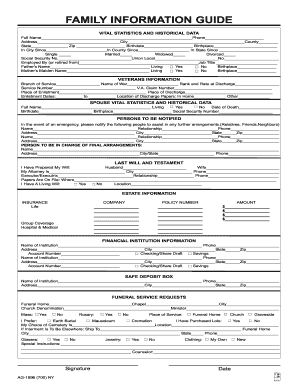
job analysis interview questions template Preview on Page 1

Here's how it works

01. Edit your job analysis interview questions template online
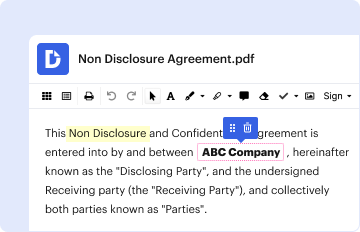
Type text, add images, blackout confidential details, add comments, highlights and more.
02. Sign it in a few clicks
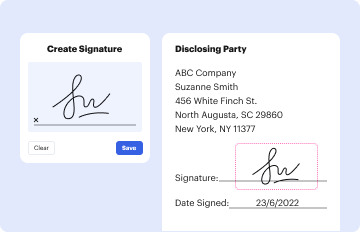
Draw your signature, type it, upload its image, or use your mobile device as a signature pad.
03. Share your form with others
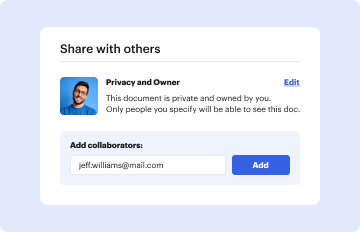
Send job analysis example via email, link, or fax. You can also download it, export it or print it out.

How to use or fill out Job Analysis Interview and Information Sheet with DocHub

Form edit decoration
9.5
Ease of Setup
DocHub User Ratings on G2
9.0
Ease of Use
DocHub User Ratings on G2
  1. Click ‘Get Form’ to open the Job Analysis Interview and Information Sheet in our editor.
  2. Begin by filling out the introductory section, where you can input your name and the date of the interview. This sets a clear context for your documentation.
  3. Proceed to record specific activities performed when a given input is received. Use the provided space to detail these tasks, ensuring clarity for future reference.
  4. Next, outline the specific outputs of the work performed. This section is crucial for understanding the results of each task.
  5. Inquire about where these outputs are sent. Document this information accurately to maintain a comprehensive overview of workflow processes.
  6. Finally, note any time requirements that exist to produce these outputs. This will help in assessing efficiency and productivity.

Start using our platform today to streamline your document editing and form completion process for free!

be ready to get more

Complete this form in 5 minutes or less

Get form

Got questions?

We have answers to the most popular questions from our customers. If you can't find an answer to your question, please contact us.
Contact us
Observation. Performing the job. Interviews. Diaries/Logs. Background records. Critical Incidents. Questionnaires. Quantitative techniques.
Job analysis provides a way for organizations to fully understand the nature of a job. It helps draft better job descriptions and develop effective training and development programs, leads to a safer work environment and more effective and future-ready workforce planning, and is pivotal in performance management.
The most effective technique when collecting information for a job analysis is to obtain information through direct observation as well as from the most qualified incumbent(s) via questionnaires or interviews.
Gather Information: Collect data about the job through various methods such as interviews, questionnaires, observations, and work diaries. Involve multiple stakeholders, including HR professionals, managers, and job incumbents, to ensure comprehensive data collection.
There are four main types of sources for job analysis data: incumbents, supervisors, experts, and documents.

Security and compliance

At DocHub, your data security is our priority. We follow HIPAA, SOC2, GDPR, and other standards, so you can work on your documents with confidence.

Learn more
ccpa2
pci-dss
gdpr-compliance
hipaa
soc-compliance

People also ask

Job analysis is different from job description, which is a document indicating what the job covers. The components of job analysis include job position, job responsibilities, job requirements, job context, and personal characteristics.
Interview. With this job analysis method, you interview employees and their supervisors about the specifics of the employees job. Interviewers ask a variety of questions to determine job duties and necessary skills. Questions might include: Describe the job in your own words.

job analysis interview