







Definition & Meaning of Miscarriage Paperwork
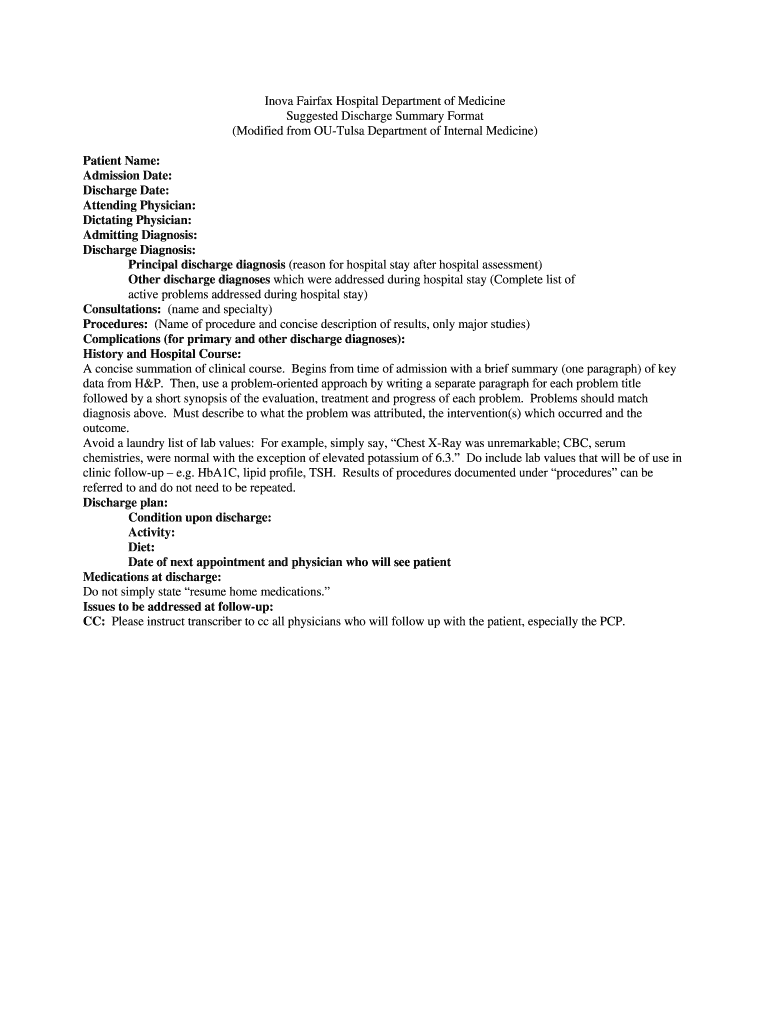
Miscarriage paperwork is a collection of documents associated with the medical and administrative processes following a miscarriage. This includes official records created by healthcare providers that confirm the event and may provide details regarding the medical care received. Such documentation can be essential for various reasons, including emotional closure, legal purposes, and eligibility for benefits or insurance claims.
Documents typically included in miscarriage paperwork can encompass:
- Hospital discharge papers detailing medical care.
- Proof of miscarriage letters which confirm the occurrence and may be required for insurance claims or legal matters.
- Copies of medical records that provide insights into treatment received during the pregnancy and details regarding the miscarriage.
Understanding these documents' significance can aid individuals as they navigate both emotional and procedural aspects post-miscarriage.
How to Use the Miscarriage Paperwork
Utilizing miscarriage paperwork effectively can help navigate various personal and administrative matters. Here are key points on how to use these documents:
- Insurance Claims: Submitting proof of miscarriage letters and discharge papers to insurance companies can facilitate claims for medical expenses related to the miscarriage.
- Legal Matters: Proof of miscarriage paperwork may be needed in legal disputes, such as custody battles or matters regarding parental rights.
- Employment and Leave Notifications: Employees may need to present this paperwork to their employer to apply for bereavement leave or other employee benefits.
- Emotional Support: Individuals may find it beneficial to keep a copy of these documents for personal records, validating their experience during this difficult time.
By understanding the appropriate uses for miscarriage paperwork, individuals can ensure they are taking the necessary steps to handle both personal and professional matters sensitively and efficiently.
How to Obtain the Miscarriage Paperwork
Acquiring the relevant miscarriage paperwork typically involves communication with medical providers and hospitals. The steps can include:
- Contacting Your Doctor: The first step is reaching out to the healthcare provider who managed your care during the pregnancy. They can provide the necessary medical records, including the discharge summary and proof of miscarriage letter.
- Hospital Requests: If care was received in a hospital, individuals may contact the hospital's medical records department to request copies of their medical paperwork, which may include discharge documents and other relevant information.
- Documentation Requirements: Be prepared to provide identification and complete any necessary release forms stipulated by medical facilities to access these records.
By following these steps, individuals can obtain their miscarriage paperwork more smoothly and ensure they have all pertinent documentation.
Steps to Complete the Miscarriage Paperwork
Completing the necessary miscarriage paperwork may involve several steps, depending on the nature of the documents required. Here is a general guideline:
- Gather Medical Records: Collect all medical records from the healthcare provider involved in the care. Ensure that you have copies of discharge papers and any letters confirming the miscarriage.
- Fill Out Required Forms: If specific forms or applications are needed (for example, for insurance claims), ensure that you carefully complete all sections accurately.
- Organize Documentation: Keep all documents organized, including any correspondence with medical professionals and insurance providers, for easier access.
- Submit Documents: Send the necessary paperwork to the relevant parties, such as insurance companies or employers, ensuring that you retain copies for your own records.
These steps assure that individuals can efficiently complete and manage their miscarriage paperwork, avoiding unnecessary delays and complications.
Important Terms Related to Miscarriage Paperwork
Familiarizing oneself with key terminology can aid in better understanding miscarriage paperwork's intricacies. Important terms include:
- Proof of Miscarriage Letter: An official document provided by a healthcare provider stating that a miscarriage has occurred.
- Discharge Summary: A medical document summarizing the care received, diagnosis, and treatment after a miscarriage.
- Medical Records: Comprehensive files that include details of a patient's medical history, treatment plans, and any surgical interventions.
- Authorization Form: A legal document allowing your healthcare provider to release medical records or documents to a third party.
Knowing these terms helps in navigating the resources and documentation effectively and can assist in performance care management during difficult times.
Legal Use of the Miscarriage Paperwork
Miscarriage paperwork holds significant legal implications. These documents can be legally binding and serve various functions:
- Insurance Claims: Proof of miscarriage letters may be required for filing claims with health insurance providers, ensuring that the costs related to medical care are reimbursed.
- Parental Rights: In legal contexts, this paperwork may be utilized to establish or contest parental rights, as it provides documentation of the miscarriage and its implications.
- Employment Policies: Employers may require this documentation as part of Human Resources policies concerning bereavement leave or other employee benefits.
Being knowledgeable about the legal uses of miscarriage paperwork can empower individuals to advocate for themselves effectively in various professional and personal situations.
Key Elements of the Miscarriage Paperwork
Understanding the essential components of miscarriage paperwork can ensure individuals are well-prepared when obtaining, completing, or submitting necessary documents. Key elements typically include:
- Medical Identification: Personal details such as the name, date of birth, and medical record number.
- Details of Miscarriage: Timelines, reasons behind the miscarriage (if known), and the type of care provided.
- Doctor's Information: The name of the healthcare provider or hospital issuing the paperwork, including contact information for verification and follow-up.
- Signature and Date: Most documents should contain a signature from a healthcare provider and the date issued, validating the information provided.
Having a clear understanding of these elements helps to ensure that the necessary documentation is complete and credible.
Examples of Using the Miscarriage Paperwork
Practical examples illustrate how miscarriage paperwork can be applied in real-life scenarios, such as:
- Insurance Claims: A woman who experienced a miscarriage may need to submit her proof of miscarriage letter along with hospital bills to her insurance company for claim processing.
- Seeking Counseling: Individuals can provide their discharge summary to support their case for seeking psychological counseling, emphasizing their need for emotional support following the miscarriage.
- Human Resource Requirements: An employee may present the miscarriage discharge papers to Human Resources to access bereavement leave, ensuring they receive the appropriate time to heal.
These examples demonstrate the multifunctional nature of miscarriage paperwork and how it serves individuals across several facets of their lives.




