


Assignment of Lease from Lessor with Notice of Assignment - Kansas 2026

Get Form
Assignment of Lease from Lessor with Notice of Assignment - Kansas Preview on Page 1

Here's how it works

01. Edit your form online
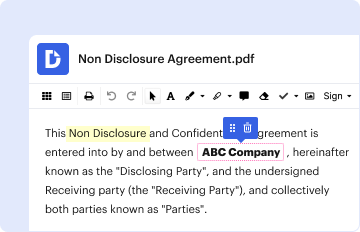
Type text, add images, blackout confidential details, add comments, highlights and more.
02. Sign it in a few clicks
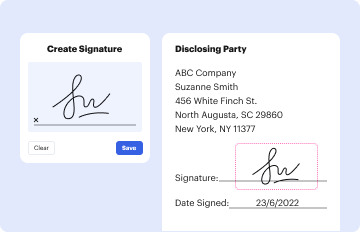
Draw your signature, type it, upload its image, or use your mobile device as a signature pad.
03. Share your form with others
Send it via email, link, or fax. You can also download it, export it or print it out.

How to use or fill out Assignment of Lease from Lessor with Notice of Assignment - Kansas

Form edit decoration
9.5
Ease of Setup
DocHub User Ratings on G2
9.0
Ease of Use
DocHub User Ratings on G2
  1. Click ‘Get Form’ to open it in the editor.
  2. Begin by filling in the 'Assignor' section with your name as the Lessor, followed by the Assignee's name. This identifies who is transferring the lease rights.
  3. In the next field, specify the monthly rental payment amount and the due date for the next payment. This ensures clarity on financial obligations.
  4. Complete the details of the original Lease Agreement, including dates and parties involved. This provides context for the assignment.
  5. Ensure that you include any relevant state laws that apply to this assignment in the designated area.
  6. Both Assignor and Assignee must sign and date at the bottom of the form, confirming their agreement to these terms.
  7. For the Notice of Assignment section, fill in Lessee(s) names and address where future payments should be sent. This keeps all parties informed.

Start using our platform today to streamline your document editing and signing process for free!

be ready to get more

Complete this form in 5 minutes or less

Get form

Got questions?

We have answers to the most popular questions from our customers. If you can't find an answer to your question, please contact us.
Contact us
A landlord who wants to end a month-to-month tenancy without cause can give the tenant a 30-day notice.
(a) The landlord shall have the right to enter the dwelling unit at reasonable hours, after reasonable notice to the tenant, in order to inspect the premises, make necessary or agreed repairs, decorations, alterations or improvements, supply necessary or agreed services, or exhibit the dwelling unit to prospective or
Kansas law doesnt limit how much a landlord can raise rent, so long as the increase isnt discriminatory or retaliatory. In the case of a month-to-month lease, the landlord must inform the tenant in writing of a rent raise at least 30 days before the rent date when the increase will go into effect.
Specifically, you are required to: Keep your rental unit in compliance with city or county building or housing codes. Maintain areas of the building and the grounds outside which are open to all tenants. Common areas such as hallways, parking lots, stairways, sidewalks, and laundry rooms are a few examples.
The Assignment Of Lease By Landlord is a crucial document used in South African property transactions when a landlord wishes to transfer their rights and obligations under an existing lease agreement to a new landlord, typically during the sale of a property or restructuring of property ownership.

Security and compliance

At DocHub, your data security is our priority. We follow HIPAA, SOC2, GDPR, and other standards, so you can work on your documents with confidence.

Learn more
ccpa2
pci-dss
gdpr-compliance
hipaa
soc-compliance

People also ask

In Kansas, tenants must obtain explicit written consent from their landlord before subleasing. This consent can be documented in the original lease agreement or through a separate agreement. Its important for tenants to formally request this permission, as failure to do so could lead to a lease violation.
����������� (c) Criminal deprivation of property other than a motor vehicle, as defined in K.S.A. 8-1437, and amendments thereto, is a class A nonperson misdemeanor.
If you owe back-rent, the amount of rent due can be claimed from your security deposit. If you damaged the residence or left it less clean than when you moved in, your landlord can take the cost of repair out of your security deposit. But this condition does not apply to normal wear-and-tear.

Related links