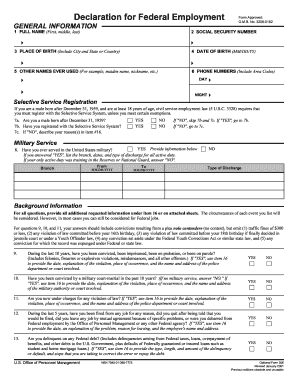
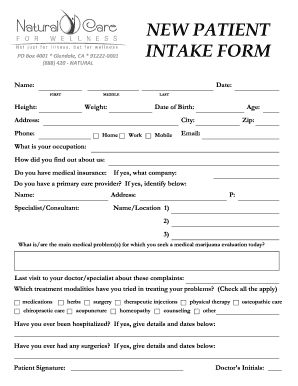
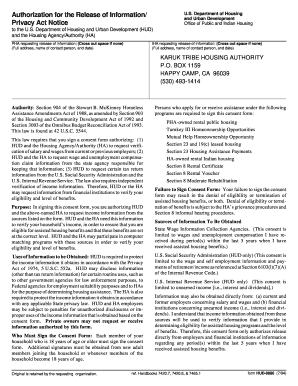
Type text, add images, blackout confidential details, add comments, highlights and more.
02. Sign it in a few clicks
Draw your signature, type it, upload its image, or use your mobile device as a signature pad.
03. Share your form with others
Send it via email, link, or fax. You can also download it, export it or print it out.
How to use or fill out wa defendant with our platform
Ease of Setup
DocHub User Ratings on G2
Ease of Use
DocHub User Ratings on G2
Click ‘Get Form’ to open the wa defendant document in the editor.
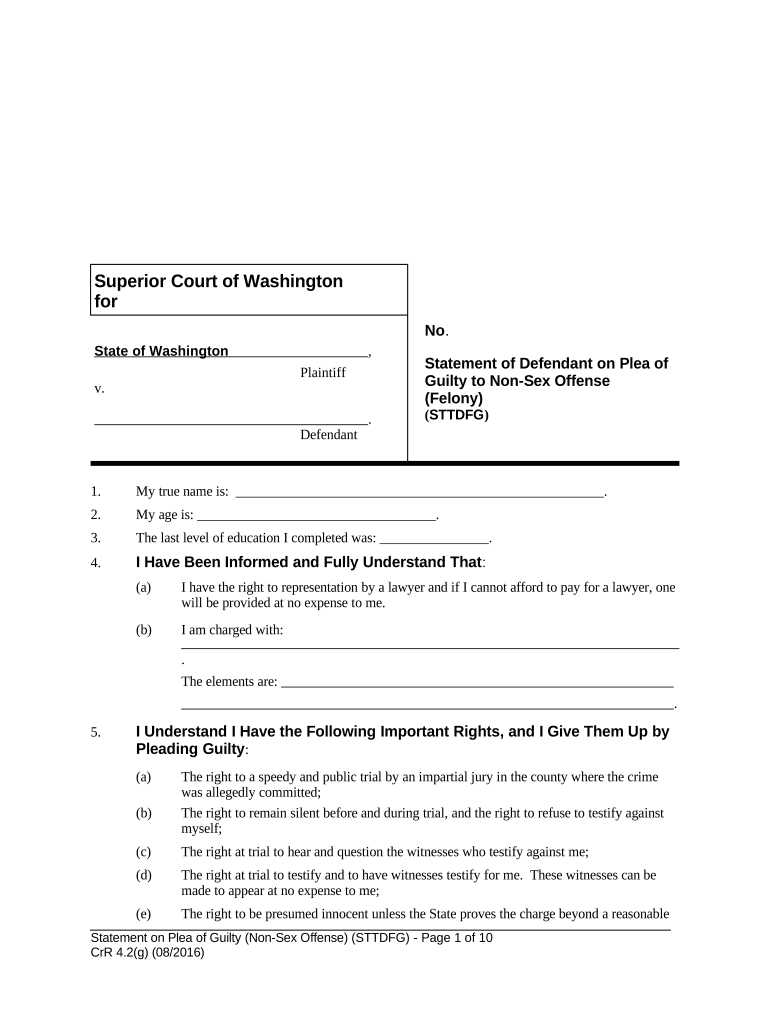
Begin by entering your true name in the designated field. This is crucial for identifying yourself in the legal process.
Next, input your age. This information helps establish your eligibility and rights under the law.
Fill in your last completed level of education. This may be relevant for understanding your background.
Review the rights you are giving up by pleading guilty. Carefully read each point and ensure you understand them before proceeding.
In the section regarding consequences, note any charges against you and their potential penalties. Make sure to fill this out accurately.
Finally, provide a statement of what you did that makes you guilty of the crime. You can also agree to let the court review police reports if preferred.
Start using our platform today to complete your wa defendant form easily and for free!
Odyssey Portal Name Search WashingtonWa Odyssey Portal smart SearchWA Court case SearchThurston County Court case searchKing County, Washington court recordsKitsap County District Court case SearchWA state public recordsThurston County court docket tomorrow
Security and compliance
At DocHub, your data security is our priority. We follow HIPAA, SOC2, GDPR, and other standards, so you can work on your documents with confidence.
What Washington Court Should Do When a Capital Defendant
by LA Rosenwald 1993 Cited by 14 The Washington Supreme Court held in State v. Dodd that a capital defendant may waive general review of conviction and sentence, and failed to determine
Use this search to find cases associated with a persons name. You can search for litigants (e.g., defendant, petitioner, respondent) associated with a case.Read more
Cookie consent notice
This site uses cookies to enhance site navigation and personalize your experience.
By using this site you agree to our use of cookies as described in our Privacy Notice.
You can modify your selections by visiting our Cookie and Advertising Notice.