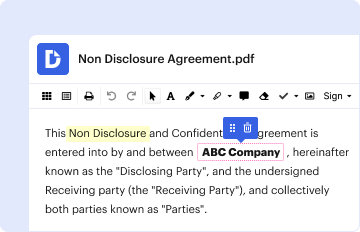
Type text, add images, blackout confidential details, add comments, highlights and more.
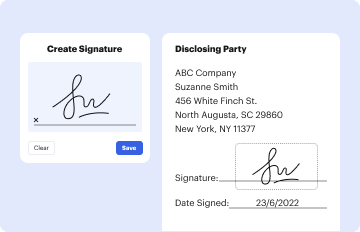
02. Sign it in a few clicks
Draw your signature, type it, upload its image, or use your mobile device as a signature pad.
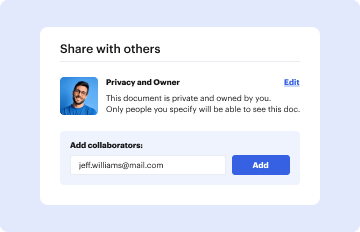
03. Share your form with others
Send it via email, link, or fax. You can also download it, export it or print it out.
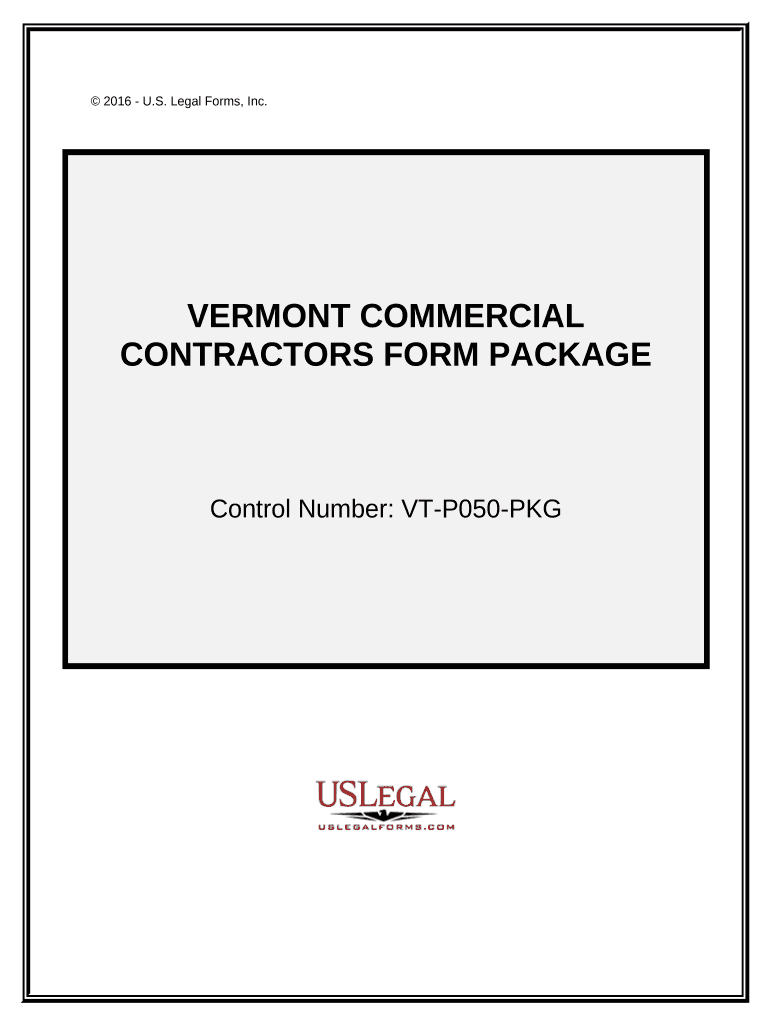
How to use or fill out Commercial Contractor Package - Vermont with our platform
Ease of Setup
DocHub User Ratings on G2
Ease of Use
DocHub User Ratings on G2
Click ‘Get Form’ to open the Commercial Contractor Package - Vermont in the editor.
Begin with the 'Vermont Commercial Construction Contract'. Fill in details such as scope of work, payment terms, and responsibilities of all parties involved.
Next, complete the 'Construction Project Information Sheet' by entering project commencement dates and key personnel involved.
Use the 'Change Order Sheet' to document any amendments to the original contract. Ensure all changes are clearly stated.
Fill out the 'Weekly Equipment Summary' to track equipment usage, including make, model, and maintenance records.
Complete additional forms like the 'Time and Material Log', 'Bid Log', and 'Job Progress Sheet' as needed for your project management.
Finally, review all entries for accuracy before saving or printing your completed forms.
Start using our platform today to streamline your form completion process for free!
Fill out Commercial Contractor Package - Vermont online It's free
Residential Contractor FAQs - Vermont Secretary of State
I am a commercial contractor; do I need to register with OPR? No; but you are required to register if you accept a residential job where the estimated value isRead more
Small Business Flood Relief Resources and Action Steps
Jul 11, 2024 Contact the Consumer Assistance Program by phone at (800) 649-2424 or by email at ago.smallbusiness@vermont.gov for questions relating to hiringRead more
Cookie consent notice
This site uses cookies to enhance site navigation and personalize your experience.
By using this site you agree to our use of cookies as described in our Privacy Notice.
You can modify your selections by visiting our Cookie and Advertising Notice.