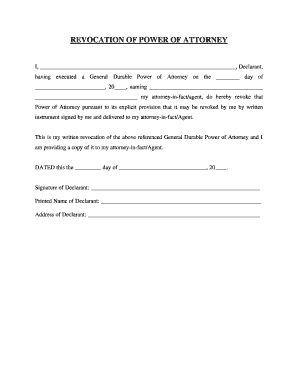
Letter from Landlord to Tenant for Failure to keep premises as clean and safe as condition of premises permits - Remedy or lease terminates - Virginia 2026

Get Form
Letter from Landlord to Tenant for Failure to keep premises as clean and safe as condition of premises permits - Remedy or lease terminates - Virginia Preview on Page 1

Here's how it works

01. Edit your form online
Type text, add images, blackout confidential details, add comments, highlights and more.
02. Sign it in a few clicks
Draw your signature, type it, upload its image, or use your mobile device as a signature pad.
03. Share your form with others
Send it via email, link, or fax. You can also download it, export it or print it out.

How to use or fill out Letter from Landlord to Tenant for Failure to keep premises as clean and safe as condition of premises permits - Remedy or lease terminates - Virginia with DocHub

Form edit decoration
9.5
Ease of Setup
DocHub User Ratings on G2
9.0
Ease of Use
DocHub User Ratings on G2
  1. Click ‘Get Form’ to open it in the editor.
  2. Begin by entering the date at the top of the document. This is crucial for record-keeping purposes.
  3. Fill in the tenant’s name and address of the premises where indicated. Ensure accuracy to avoid any confusion.
  4. In the body of the letter, specify the breaches regarding cleanliness and sanitation. Clearly describe any unclean or unsanitary conditions that need addressing.
  5. Indicate a deadline for correction of these issues, emphasizing that failure to comply may lead to lease termination.
  6. Sign off with your name and title, ensuring you include a method for tenants to contact you with questions.
  7. Complete the proof of delivery section by selecting how you delivered this notice, signing, and dating it appropriately.

Start using our platform today to streamline your document editing and ensure effective communication with your tenants!

be ready to get more

Complete this form in 5 minutes or less

Get form

Got questions?

We have answers to the most popular questions from our customers. If you can't find an answer to your question, please contact us.
Contact us
55.1-1254. If any items of personal property are left in the dwelling unit, the premises, or any storage area provided by the landlord after the rental agreement has terminated and delivery of possession has occurred, the landlord may consider such property to be abandoned.
One of the most common problems landlords face is unpaid rent. Lease agreements should state the due date for payments, so even a single late payment can constitute a violation of the agreement.
BdocHub of Lease Definition: When a Tenant bdocHubes the lease, the Landlord may request that the court evict of the Tenant. This process can only be used for seeking an eviction. For obtaining money damages, please see; Lawsuits for Money Damages after Tenant Leaves.
The lease agreement specifies important terms regarding rent payment, security deposits, property maintenance, and proper notice requirements. When landlords violate these terms, they bdocHub the contract, giving tenants legal grounds to seek remedies.
Examples of bdocHubes of lease covenants include: A failure to pay ground rent or service charge. Alterations to the property without the landlords consent. Using the property for a purpose that is not permitted by the lease.

Security and compliance

At DocHub, your data security is our priority. We follow HIPAA, SOC2, GDPR, and other standards, so you can work on your documents with confidence.

Learn more
ccpa2
pci-dss
gdpr-compliance
hipaa
soc-compliance

People also ask

Quick Facts on Suing a Landlord in California Small Claims Maximum amount you can sue for:$12,500 How long does the process take: Most California courts are scheduling hearings around 30-75 days from when a lawsuit is filed. Virtual hearings are also available in some counties.3 more rows Feb 10, 2025
If, at the beginning of the tenancy, a condition exists in a rental dwelling unit that constitutes a fire hazard or serious threat to the life, health, or safety of tenants or occupants of the premises, including an infestation of rodents or a lack of heat, hot or cold running water, electricity, or adequate sewage

Related links