
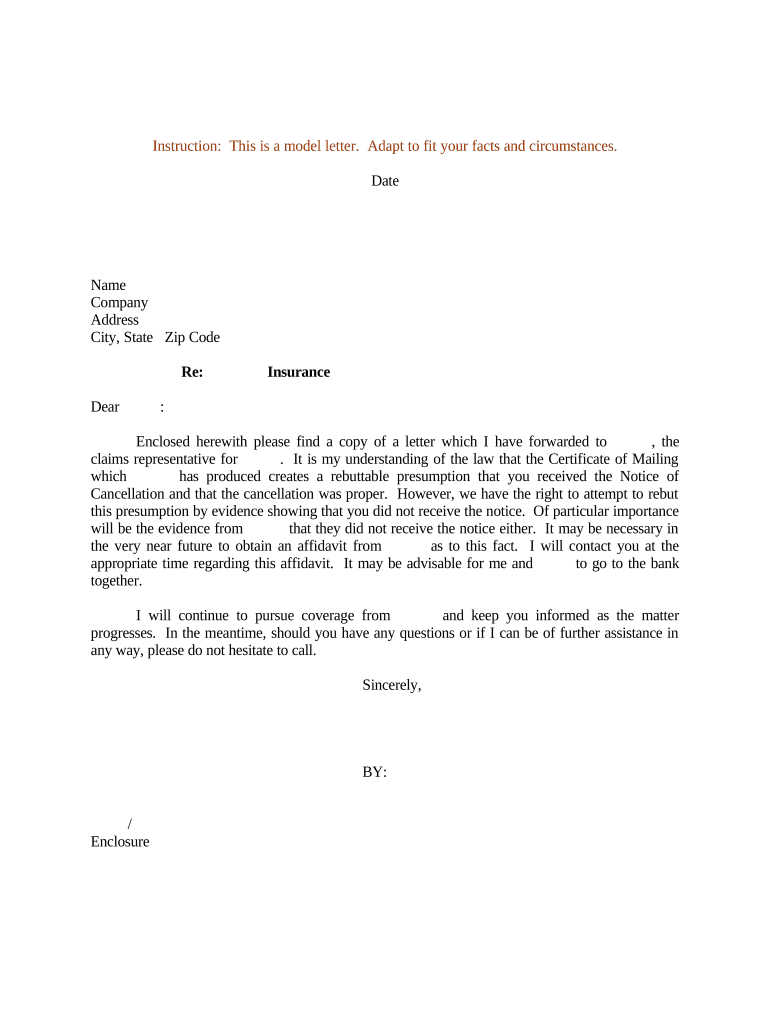







Definition and Meaning of Cancellation Notice
A cancellation notice is a formal communication that specifies the termination or cancellation of a contract or agreement. It serves as an official record that one party has initiated the cancellation process and informs the other party of the intent to cease obligations outlined in the original agreement. This notice may pertain to various types of contracts, including service agreements, insurance policies, and rental agreements.
Key Components of a Cancellation Notice
- Subject Line: Clearly indicate the intent to cancel.
- Date: Include the date on which the notice is being issued.
- Parties Involved: Identify the parties to the contract.
- Details of the Agreement: Reference the specific agreement related to the cancellation.
- Effective Date of Cancellation: State when the cancellation takes effect.
- Signature: Provide space for the signature of the issuing party.
Importance of a Cancellation Notice
A cancellation notice is vital for legal and procedural clarity. It helps prevent misunderstandings regarding the termination date and obligations, and it can serve as a protective measure should disputes arise about the cancellation. Additionally, it can be used as evidence in potential legal proceedings, ensuring all parties are aware of the cancellation status.
How to Use the Cancellation Notice
Using a cancellation notice effectively involves several steps to ensure clear communication and compliance with any contractual requirements. Here’s a structured approach to utilizing a cancellation notice appropriately:
- Determine the Need: Understand the specific reasons for cancellation and the relevant contractual stipulations.
- Draft the Notice: Using the key components previously mentioned, create a detailed and clear cancellation notice.
- Review Contract Obligations: Some contracts might require compliance with certain procedures or timelines for cancellation.
- Send the Notice: Ensure the cancellation notice is delivered via a method that confirms receipt, such as certified mail or an acknowledged email.
- Maintain a Copy: Keep a copy of the cancellation notice and any evidence of delivery for personal records.
Practical Example of Using a Cancellation Notice
Suppose a tenant wishes to end a rental agreement. They would draft a cancellation notice stating their intent to vacate, reference the lease agreement number, and include the expected move-out date. By delivering this notice in compliance with the required notice period specified in the lease (for instance, thirty days), the tenant protects their rights and clarifies their intention to terminate the agreement.
Steps to Complete the Cancellation Notice
Completing a cancellation notice requires careful attention to detail and adherence to any requirements stipulated in the underlying contract. Below are the steps to follow:
- Header Information: Include your name, address, and contact information at the top of the document.
- Recipient Details: Add the name and contact information of the party receiving the notice.
- Subject Heading: Use a clear subject heading like “Notice of Cancellation.”
- Body of the Notice:
- Introduction: Clearly state the purpose of the notice.
- Description of the Agreement: Provide details about the contract or agreement being canceled.
- Cancellation Date: Specify when the cancellation takes effect.
- Signature and Date: Sign the document and date it, confirming its authenticity.
Example Template for a Cancellation Notice
[Your Name]
[Your Address]
[City, State, ZIP Code]
[Email Address]
[Date]
[Recipient's Name]
[Recipient's Address]
[City, State, ZIP Code]
Subject: Notice of Cancellation
Dear [Recipient's Name],
I am writing to formally notify you of my intent to cancel the [specific agreement, e.g., lease agreement] dated [insert date]. The effective date of cancellation is [insert date].
Please consider this letter as the official termination of the agreement.
Sincerely,
[Your Signature]
[Your Printed Name]
Who Typically Uses a Cancellation Notice
Cancellation notices are employed by various individuals and entities across different sectors, primarily to protect their rights during contractual relationships. The following groups commonly use cancellation notices:
- Tenants: Individuals wishing to terminate rental agreements before the lease expiration.
- Policyholders: Customers canceling insurance policies for personal or financial reasons.
- Service Users: Clients canceling subscriptions or service contracts, such as internet or phone services.
- Businesses: Companies terminating contracts with vendors or suppliers.
Considerations for Specific Users
- Individuals: May need to provide a reason for cancellation to comply with specific policies.
- Businesses: Must ensure that cancelling a contract aligns with their business practices and contractual obligations.
Legal Use of the Cancellation Notice
The use of a cancellation notice holds significant legal implications. When executed properly, it provides a formal record of termination that can protect either party from further obligations or disputes. Here's an overview of its legal aspects:
Compliance with Contractual Terms
- Good Faith: Parties must adhere to the terms established in the contract regarding cancellation, including notice periods and acceptable communication methods.
- Documentation: Proper documentation of cancellation is crucial. A cancellation notice should be documented to prevent possible legal issues.
Potential Legal Consequences
- Disputes: Failing to comply with cancellation notice requirements may lead to disputes over penalties or obligations.
- Evidence in Legal Proceedings: The cancellation notice can serve as evidence if disagreements arise regarding the notification of intent to cancel.
Important Terms Related to Cancellation Notices
Understanding specific terminology associated with cancellation notices aids in navigating the process effectively. Some important terms include:
- Endorsement: An addition or modification to an existing contract or agreement, often mentioned in insurance contexts.
- Effective Date: The date when the cancellation takes effect, marking the end of obligations under the contract.
- Notice Period: The mandatory time frame during which a cancellation notice must be delivered prior to the effective cancellation date.
Additional Relevant Terms
- Cancellation Clause: A provision within a contract detailing the specific conditions under which a party may cancel the agreement.
- Acknowledgment Receipt: A confirmation from the receiving party indicating they have received the cancellation notice.
By understanding and utilizing these components, users can ensure effective communication of contract cancellations, thereby safeguarding their rights and interests in contractual relationships.




