

Negligence liability 2026

Get Form
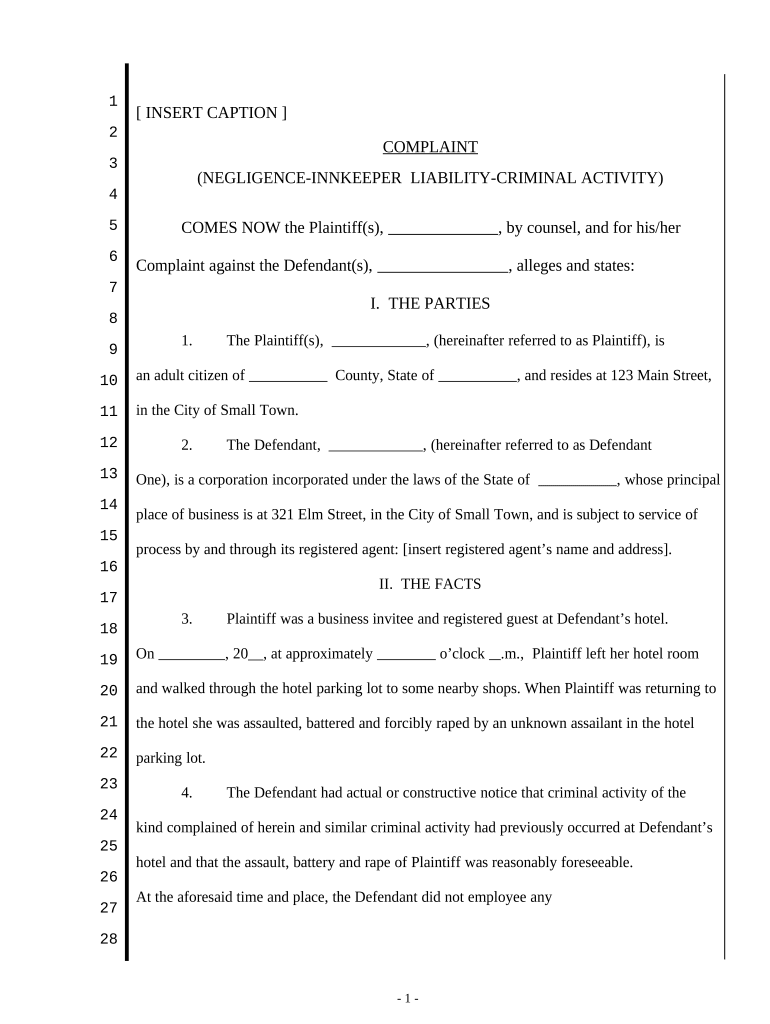
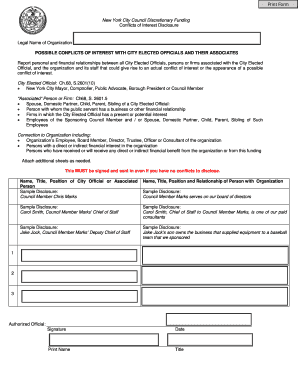
negligence liability Preview on Page 1

Here's how it works

01. Edit your form online
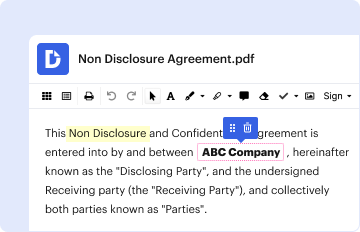
Type text, add images, blackout confidential details, add comments, highlights and more.
02. Sign it in a few clicks
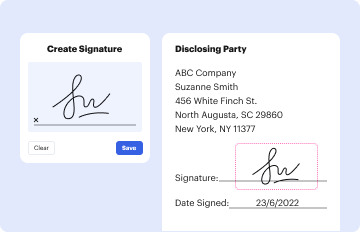
Draw your signature, type it, upload its image, or use your mobile device as a signature pad.
03. Share your form with others
Send it via email, link, or fax. You can also download it, export it or print it out.

How to use or fill out negligence liability with our platform

Form edit decoration
9.5
Ease of Setup
DocHub User Ratings on G2
9.0
Ease of Use
DocHub User Ratings on G2
  1. Click ‘Get Form’ to open the negligence liability document in the editor.
  2. Begin by filling in the Plaintiff's information, including name, citizenship, and address. Ensure accuracy as this establishes the identity of the party initiating the complaint.
  3. Next, provide details about the Defendant. Include their name, type of entity (individual or corporation), and address. This section is crucial for identifying who is being accused of negligence.
  4. In the 'Facts' section, describe the incident clearly. Include dates, times, and specific actions taken by both parties leading up to the event. This narrative sets the context for your claims.
  5. Proceed to outline 'The Claims'. Here, specify how the Defendant breached their duty of care and detail any damages suffered by the Plaintiff. Be thorough in listing all types of damages for clarity.
  6. Finally, complete the 'Demand for Relief' section by stating what you seek from this legal action. This could include monetary compensation or other forms of relief.

Start using our platform today to efficiently fill out your negligence liability form online for free!

be ready to get more

Complete this form in 5 minutes or less

Get form

Got questions?

We have answers to the most popular questions from our customers. If you can't find an answer to your question, please contact us.
Contact us
In negligence torts, the plaintiff must prove that the defendants conduct was the direct and actual cause of the plaintiffs suffering or harm. This condition, also commonly called the but-for test, highlights that the harm suffered would not have happened but for the defendants actions.
Any one of the four Cs of medical malpractice (compassion, communication, competence, and charting), which are outlined below, violates a doctors fiduciary duty of care. The law imposes this special responsibility if two parties in a contract, which in this case is a treatment agreement, have unequal bargaining power.
Different Types of Negligence. While seemingly straightforward, the concept of negligence itself can also be broken down into four types of negligence: gross negligence, comparative negligence, contributory negligence, and vicarious negligence or vicarious liability.
4 Elements of Negligence (1) Duty. In plain terms, the duty element requires that the defendant owe a legal duty to the plaintiff. (2) Causation. The causation element generally relates to whether the defendants actions hurt the plaintiff. (3) BdocHub. BdocHub is simple to explain but difficult to prove. (4) Damages.
[3] A successful action in negligence requires that the plaintiff demonstrate (1) that the defendant owed him a duty of care; (2) that the defendants behaviour bdocHubed the standard of care; (3) that the plaintiff sustained damage; and (4) that the damage was caused, in fact and in law, by the defendants bdocHub.

People also ask

In a negligence lawsuit, the plaintiff contends that the defendants negligence or recklessness caused their injuries. In a strict liability lawsuit, the defendant is liable for damages even if he or she was not negligent or at fault.
Typically, this clause clarifies whether a party can be held liable for negligent acts or omissions, and may set limits on the amount or types of damages recoverable, such as excluding liability for indirect losses.
Gross negligence is a heightened degree of negligence representing an extreme departure from the ordinary standard of care. Falling between intent to do wrongful harm and ordinary negligence, gross negligence is defined as willful, wanton, and reckless conduct affecting the life or property or another.

Related links