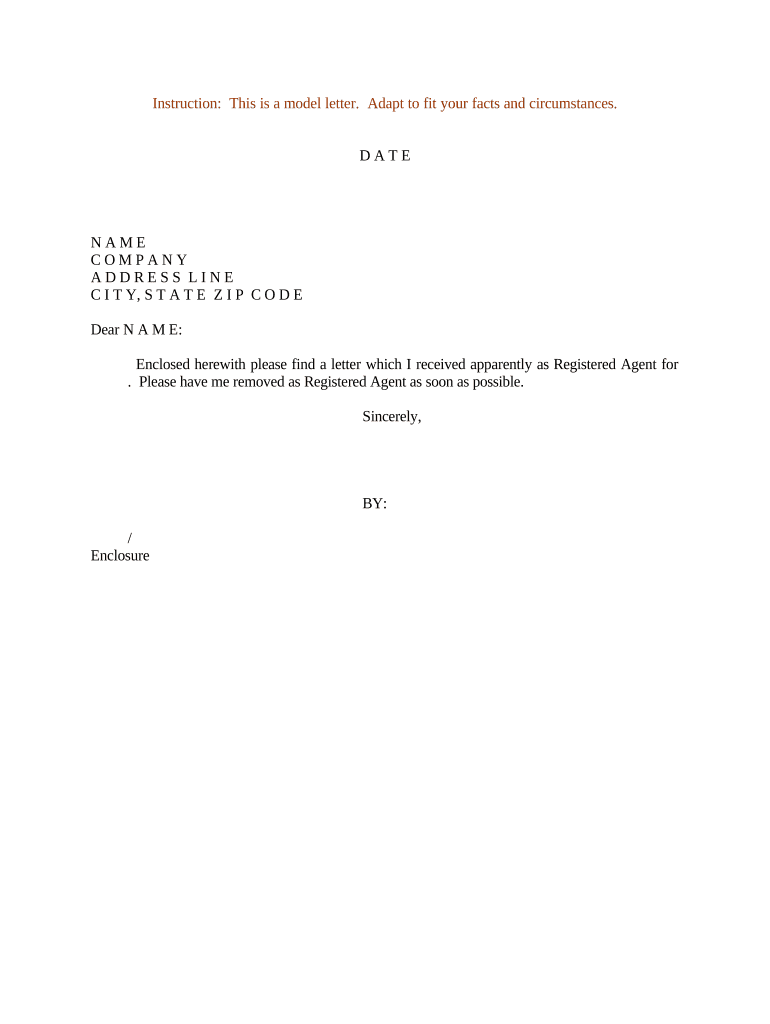







Definition and Meaning of Sample Letter Received
A "sample letter received" refers to a template or example letter acknowledging the receipt of a document or information. This type of letter is essential in both personal and professional communication, as it provides confirmation that a specific document or correspondence has been received. These letters can be customized to fit various situations—whether it is confirming the receipt of application documents, legal papers, or general correspondence.
Importance of Acknowledgment Letters
- Clarity and Documentation: Acknowledging receipt fosters transparent communication between parties and serves as a formal record of received documents.
- Professionalism: Sending a letter of acknowledgment reflects a professional attitude and commitment to clear communication.
- Legal Protection: In legal contexts, these letters can be crucial in protecting the interests of the sender and recipient, as they provide proof of good faith communication.
Typical Structure of a Sample Letter for Receiving Documents
A well-crafted letter acknowledging receipt should typically include the following components:
- Date: The date when the letter is being sent.
- Sender’s Information: Full name, address, and contact details of the sender.
- Recipient’s Information: Full name, address, and contact details of the recipient.
- Subject Line: A brief subject indicating the purpose of the letter.
- Opening Salutation: A formal greeting to the recipient.
- Body of the Letter: A clear statement acknowledging receipt, specifying what was received and any necessary context.
Example of a Well-Structured Letter
-
Date: November 1, 2023
-
Sender’s Information: John Doe
123 Main St.
Anytown, USA -
Recipient’s Information:
Jane Smith
456 Elm St.
Othertown, USA -
Subject Line: Acknowledgment of Receipt of Documents
-
Opening Salutation:
Dear Jane Smith, -
Body of the Letter:
I hereby acknowledge the receipt of your application and associated documents submitted on October 31, 2023. We appreciate your prompt submission and will begin the review process shortly. If further information is required, we will contact you at the provided telephone number.
Guidelines for Writing a Receivable Letter
When composing a sample letter of receiving documents, adhering to certain guidelines ensures clarity and professionalism:
- Keep It Concise: The letter should be straightforward and to the point, avoiding unnecessary details.
- Use Formal Language: Maintain a professional tone throughout the letter.
- Personalize When Possible: If applicable, add a specific detail or context to make the acknowledgment more personal.
- Provide Contact Information: Allow the recipient to easily reach you for any follow-up questions or clarifications.
Practical Scenarios for Using a Receipt Letter
Acknowledgment letters can be utilized in various scenarios, including:
- Job Applications: Confirming receipt of an applicant's resume and cover letter.
- Legal Correspondence: Acknowledging the receipt of court documents or legal notices.
- Business Transactions: Confirming the receipt of goods or services ordered.
- Academic Admissions: Acknowledging the receipt of application materials from prospective students.
Common Variations of Receipt Letters
There are multiple forms and variations of acknowledgment letters, tailored to specific contexts:
- Formal Acknowledgment Letters: Typically used in business and legal settings.
- Informal Acknowledgment Letters: Suited for personal communications, such as friend-to-friend correspondence.
- Transactional Acknowledgment Letters: Frequently used in sales or service industries to confirm orders or transactions.
Examples of Variations
- Formal Variation: A letter confirming the receipt of a grant application—often more structured.
- Informal Variation: A thank-you note confirming receipt of a gift or personal correspondence.
Addressing the Audience Appropriately
When writing a sample letter for receiving documents, understanding the audience is crucial. Factors such as the relationship with the recipient (formal vs. informal) and the context of the documents influence how the letter should be structured. Tailoring the tone and content to fit the specific situation enhances the effectiveness of communication.
By incorporating the elements and guidelines outlined above, individuals and businesses can effectively communicate the receipt of documents while ensuring clarity, professionalism, and appropriate follow-up actions.