



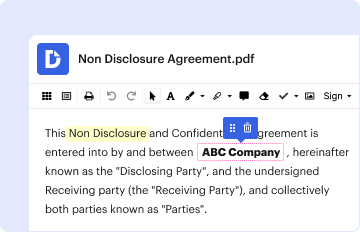
01. Edit your g325r form online
Type text, add images, blackout confidential details, add comments, highlights and more.

Type text, add images, blackout confidential details, add comments, highlights and more.
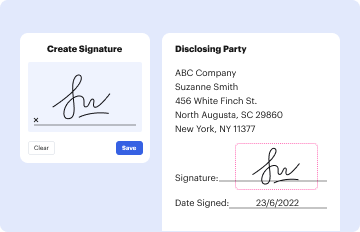
Draw your signature, type it, upload its image, or use your mobile device as a signature pad.

Send g325r via email, link, or fax. You can also download it, export it or print it out.
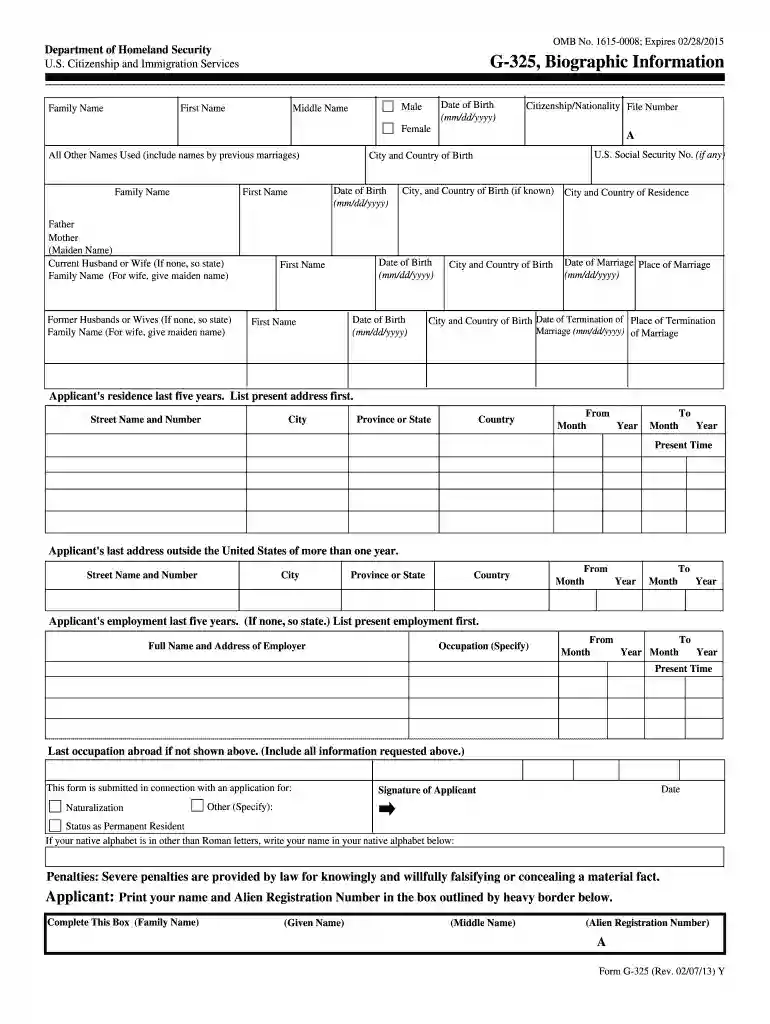
The G-325 form, also known as Biographic Information, plays a crucial role in the immigration process administered by U.S. Citizenship and Immigration Services (USCIS). This document is intended for applicants seeking immigration benefits, such as naturalization, and collects detailed personal information that helps the USCIS make informed decisions regarding personal history and eligibility.
The G-325 form requires applicants to provide various details essential for processing their immigration case. The sections generally include:
Identity Information
Family Background
Residence History
Employment History
This structured information helps immigration authorities verify the applicant's identity, track their immigration status, and establish residency requirements.
To effectively fill out the G-325 form, follow these steps:
Review Instructions: Start by reading the instructions provided with the form thoroughly to understand each section's requirement.
Gather Necessary Information: Collect all personal documentation, including identification and history of residence and employment, to accurately complete the form.
Filling Out the Form: Clearly write each required detail. Pay special attention to:
Review: Before submission, double-check for errors or omissions to ensure that all required fields are filled out correctly and completely.
Sign and Date: Once completed, make sure to sign and date the form as required, as an unsigned form may lead to processing delays.
The submission of the G-325 form can be done through different methods, depending on the specific circumstances of the immigration application. Here are the common submission methods:
Online Submission: If applying through an online platform, follow the prompts for uploading or filling out the form digitally.
Mail: If submitting the form by mail, ensure it is sent to the correct USCIS address specified in the instructions and consider using tracked mail services for delivery confirmation.
In-Person: In certain cases, applicants may need to submit the form during an appointment or interview at a USCIS office.
While completing and submitting the G-325 form, applicants should be aware of several important aspects to avoid common mistakes:
Understand Eligibility: Ensure that you are eligible to complete the G-325 based on your immigration status and the benefits you are applying for.
Timeliness: Be aware of any deadlines associated with your application process to make sure that the form is submitted on time.
Incomplete Forms: Submitting forms with missing information can lead to delays or denials. Take the time to fill out the form completely.
If you are involved in the preparation of the G-325 form, consider these best practices:
Use a G-325 Form Sample: Referencing a completed G-325 form sample can provide clarity on filling out the necessary sections accurately.
Seek Assistance if Needed: If unsure about how to complete any part of the form, consider consulting an immigration attorney or an expert who understands the nuances of immigration paperwork.
Keep a Copy: Always make a copy of the completed G-325 form for your records before submitting it to USCIS. This can be beneficial in case you need to reference your submission in future communications.
The G-325 form is a critical component in the immigration application process, capturing vital biographic information that USCIS requires for assessment. By understanding what the form entails, how to complete it accurately, and being aware of common pitfalls, applicants can navigate their immigration journey more effectively.
At DocHub, your data security is our priority. We follow HIPAA, SOC2, GDPR, and other standards, so you can work on your documents with confidence.
Each noncitizen that needs to register must submit Form G-325 from their own USCIS online account. USCIS will review your registration and any DHS recordsRead more
Apr 11, 2025 Use this form to provide biographic information when applying for registration and fingerprinting under section 262 of the Immigration and Nationality Act (INA)Read more
Mar 25, 2014 Handle Bar Height Adjuster Adjusts the the handle bar to the desired height by loosening the wing nut and turning the grip clockwise to raiseRead more


