

Interrogatories civil procedure 2026

Get Form
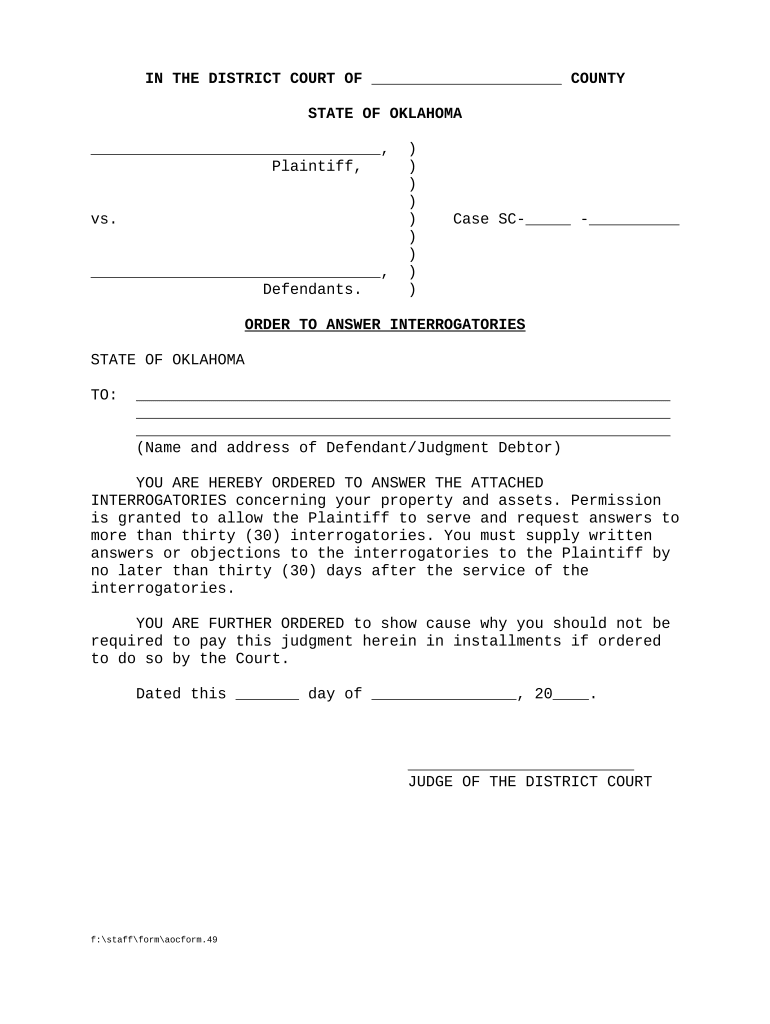
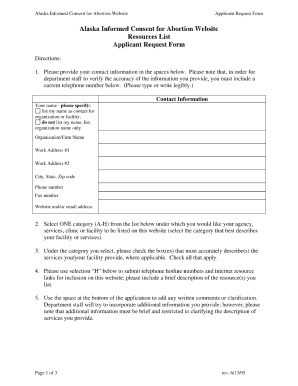
interrogatories in civil procedure Preview on Page 1

Here's how it works

01. Edit your interrogatories in civil procedure online
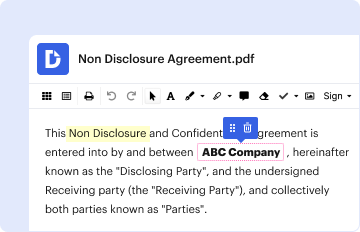
Type text, add images, blackout confidential details, add comments, highlights and more.
02. Sign it in a few clicks
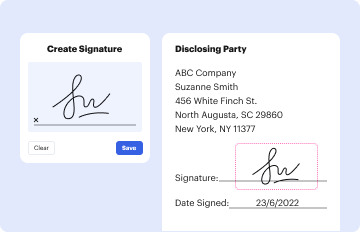
Draw your signature, type it, upload its image, or use your mobile device as a signature pad.
03. Share your form with others
Send it via email, link, or fax. You can also download it, export it or print it out.

How to use or fill out interrogatories civil procedure with our platform

Form edit decoration
9.5
Ease of Setup
DocHub User Ratings on G2
9.0
Ease of Use
DocHub User Ratings on G2
  1. Click ‘Get Form’ to open the interrogatories civil procedure document in the editor.
  2. Begin by filling in the case details at the top of the form, including the county and state, as well as the names of the plaintiff and defendant.
  3. In the section labeled 'TO:', enter the name and address of the Defendant/Judgment Debtor who is required to answer the interrogatories.
  4. Review the order's instructions carefully. Ensure you understand that written answers or objections must be provided within thirty (30) days after service.
  5. If applicable, complete any additional sections regarding payment installments as ordered by the court.
  6. Finally, sign and date the document where indicated, ensuring all information is accurate before submission.

Start using our platform today for free to streamline your document editing and form completion!

be ready to get more

Complete this form in 5 minutes or less

Get form

Got questions?

We have answers to the most popular questions from our customers. If you can't find an answer to your question, please contact us.
Contact us
Deposition: After the Interrogatories have been answered, the defendants attorney will request that your deposition be taken.
In civil procedure , an interrogatory is a list of written questions one party sends to another as part of the discovery process. The recipient must answer in writing under oath and ing to the cases schedule.
Conclusion: Following discovery, the lawsuit needs a final conclusion. Most cases settle, with mediation being the most common means of reaching settlement. If settlement efforts fail, then the final outcome is determined by trial.
In law, interrogatories (also known as requests for further information) are a formal set of written questions propounded by one litigant and required to be answered by an adversary in order to clarify matters of fact and help to determine in advance what facts will be presented at any trial in the case.
Interrogatories can be quicker, less costly, and less complicated than depositions, but there are downsides. Since the questions are written, the witness may have more time to think and craft answers, rather than providing more candid answers during discovery.

Security and compliance

At DocHub, your data security is our priority. We follow HIPAA, SOC2, GDPR, and other standards, so you can work on your documents with confidence.

Learn more
ccpa2
pci-dss
gdpr-compliance
hipaa
soc-compliance

People also ask

Many personal injury lawsuits conclude either during or at the end of the discovery phase. In many cases, the defendants dont want evidence against them revealed in court. The pressure from the discovery process can push a stubborn defendant into agreeing to a more reasonable settlement.

Related links