




Definition & Meaning of the Financial Release Form
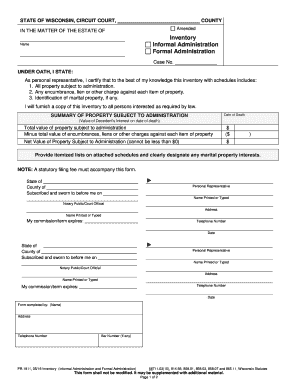
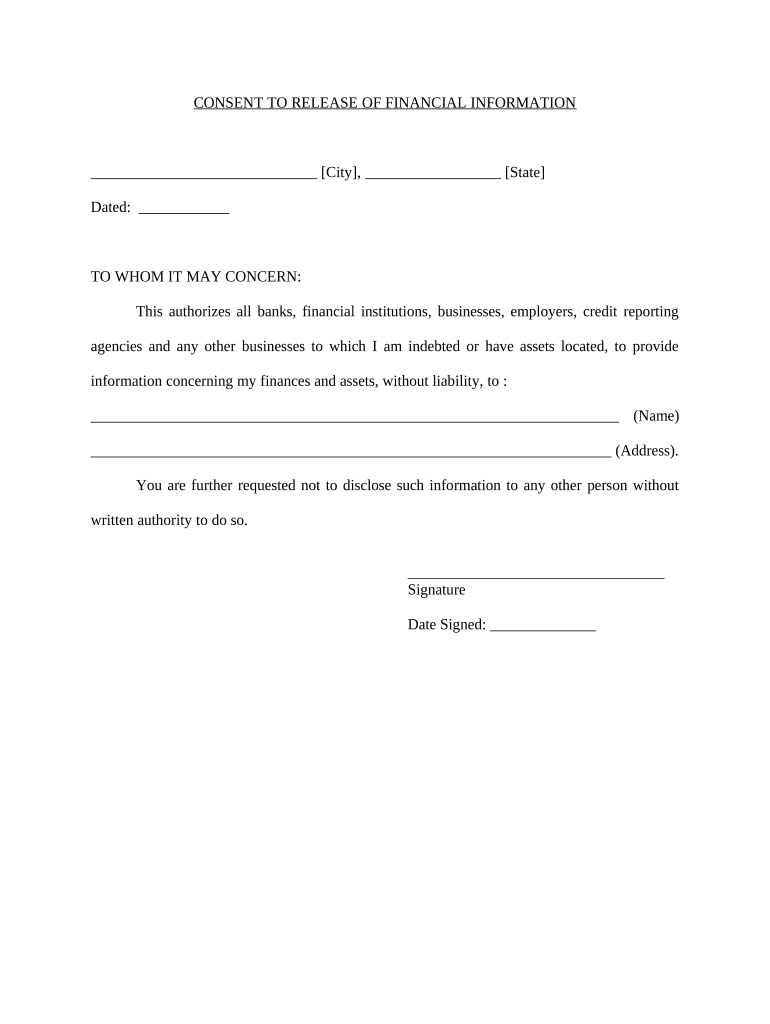
A financial release form, often referred to as a financial information release form, is a vital document that permits the transfer of an individual's financial details to designated parties. This legal tool is crucial for various situations, such as loan applications, estate settlements, or medical records where financial evidence is required. The form authorizes specified financial institutions or entities to disclose sensitive information while ensuring that such data remains protected from unauthorized access.
The significance of the financial release form cannot be overstated. It ensures compliance with privacy laws, safeguards sensitive information, and promotes transparency among financial parties. In many instances, this form is a prerequisite for processing loans, refinancing agreements, or legal claims where financial status verification is required.
Key Components of a Financial Release Form
- Personal Information: Full name, address, Social Security number, and other identifying details of the individual releasing their financial information.
- Recipient Information: Information about the authorized recipient(s) who will receive the financial documents, such as lenders, legal representatives, or healthcare providers.
- Scope of Release: Clear details on what financial information will be shared, including bank statements, tax returns, credit reports, etc.
- Duration: Specifications on how long the authorization remains valid, along with any conditions for revocation.
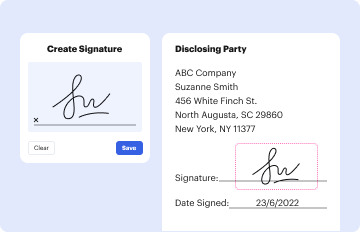
- Signature and Date: Signature of the individual releasing the information, along with the date, to indicate consent.
How to Use the Financial Release Form
Utilizing the financial release form involves a straightforward process that ensures clarity for all parties involved. Begin by obtaining a blank authorization to release financial information form. Many templates are available online, which can simplify this process.
Step-by-Step Process for Use:
- Fill Out Personal Information: Enter your full name, contact details, and Social Security number on the form. This information ensures that your identity is verified during the release process.
- Identify Authorized Recipients: Clearly specify who will receive your financial information. These could be banks, legal representatives, or any other institutions requiring access to your financial records.
- Specify the Information to be Released: Clearly outline which financial details are being disclosed. This can include bank account details, tax returns, employment information, or any other relevant data.
- Sign and Date: Once you fill in all necessary details, sign and date the form. This step is crucial, as it signifies your consent to share the specified financial information.
- Deliver the Document: Send the completed form to the identified recipient(s). It can be handed over in person, sent via mail, or emailed if accepted.
Important Terms Related to Financial Release Form
Understanding the terminology associated with a financial release form can enhance comprehension of its implications. Below are key terms to be familiar with when working with this form:
- Authorization: The permission granted by the individual for their financial data to be shared with third parties.
- Confidentiality: The assurance that sensitive financial details will not be disclosed to unauthorized parties.
- Disclosure: The act of revealing or making known financial information to authorized entities.
- Limits of Liability: The extent to which parties involved are held accountable for the misuse of released information.
- Revocation: The process of canceling previously granted permission to share financial information.
Key Elements of the Financial Release Form
A thorough understanding of the essential elements of a financial release form aids in effective use and compliance. Below are the critical elements to consider:
- Personal Identification: This contains data such as name, address, and SSN.
- Recipient Identification: Information about who will receive the financial data, including their address and relationship to the individual.
- Types of Information: Specific financial documents included, such as income statements or banking details.
- Consent Statement: A section where you reaffirm your understanding of the implications of sharing your financial information.
- Contact Information: Details about how to reach you and the authorized recipient for further questions or clarifications.
Who Typically Uses the Financial Release Form
The financial release form is commonly employed across various scenarios and by different entities, making it a versatile tool. Typical users include:
- Individuals: People seeking loans, mortgages, or legal resolutions frequently need to provide financial documentation through a release form.
- Financial Institutions: Banks and credit unions often require this form to process applications or verify financial standing for loans.
- Lawyers and Legal Representatives: For cases involving estates, personal injuries, or financial claims, legal representatives mandate the financial release form to substantiate claims.
- Healthcare Providers: In certain circumstances, providers may require access to an individual's financial information for billing or insurance purposes, necessitating the use of this form.
By grasping the definition, usage, important terms, and key elements of the financial release form, individuals can navigate the financial landscape with more confidence and ease while ensuring compliance with legal and privacy standards.