
Closing Statement - Virginia 2026

Get Form
Closing Statement - Virginia Preview on Page 1

Here's how it works

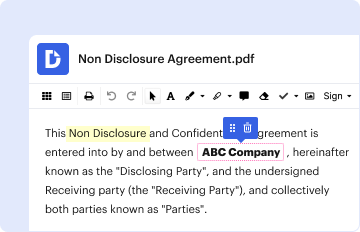
01. Edit your form online
Type text, add images, blackout confidential details, add comments, highlights and more.
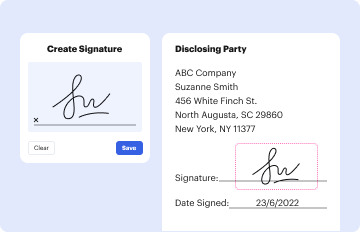
02. Sign it in a few clicks
Draw your signature, type it, upload its image, or use your mobile device as a signature pad.
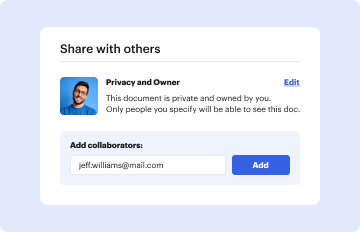
03. Share your form with others
Send it via email, link, or fax. You can also download it, export it or print it out.

How to use or fill out Closing Statement - Virginia with our platform

Form edit decoration
9.5
Ease of Setup
DocHub User Ratings on G2
9.0
Ease of Use
DocHub User Ratings on G2
  1. Click ‘Get Form’ to open the Closing Statement - Virginia in the editor.
  2. Begin by entering the Seller and Buyer information in the designated fields. Ensure that all names are spelled correctly for accuracy.
  3. Fill in the Property Address, including City, State (Virginia), and Zip Code. This information is crucial for identifying the property involved in the transaction.
  4. In the Seller(s) Column, input details such as Sales Price, Down-payment, and Balance. Repeat this process for the Buyer(s) Column to maintain clarity between both parties.
  5. Complete the Expenses section by detailing costs like Title Search, Recording Fees, Title Insurance, and Attorney Fees. Make sure to differentiate between seller and buyer expenses.
  6. Calculate Total Expenses and Balances Less/Plus Expenses for both columns to ensure accurate financial representation.
  7. Finally, certify that all information is true and correct by signing in the designated areas for both Sellers and Buyers before saving or sharing your document.

Start using our platform today to streamline your Closing Statement - Virginia process for free!

be ready to get more

Complete this form in 5 minutes or less

Get form

Got questions?

We have answers to the most popular questions from our customers. If you can't find an answer to your question, please contact us.
Contact us
Address the home loan closure letter formally to the bank or lenders branch manager. Include key details like your loan account number, final payment details, and a request for the closure letter and return of property documents.
The closing statement should include basic information about the property, such as the address, when it was built, and the type of structure (i.e., single-family home, multifamily home, manufactured home, etc.). Financial information. Shows the homes purchase price, deposits paid by the buyer, and seller credits.
Going To Closing Seller signs the deed and closing affidavit. Buyer signs the new note and mortgage. The old loan is paid off. Seller, real estate professionals, attorneys and other parties present at the closing of the transaction are paid.
Preparing and receiving the closing statement Closing statements must be issued at least three business days before closing. This deadline allows all parties time to review the form and ensure that the information it contains is accurate not just for the sums involved and agreed-upon, but also who pays for what.
The closing process can take as long as forty-five days unless you are paying cash. Much of the exact amount of time it takes to close will depend upon your lender. Buyers who have a loan preapproval are in a position to close faster. Many federal-related mortgage loans can take up to thirty days to close.

People also ask

How much are closing costs? Average closing costs for the buyer run between about 2% and 6% of the loan amount. That means, on a $300,000 home loan, you would pay from $6,000 to $18,000 in closing costs in addition to the down payment.

Related links