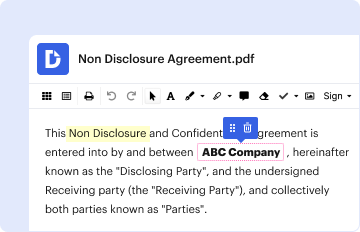
Type text, add images, blackout confidential details, add comments, highlights and more.
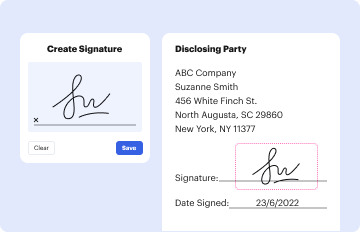
02. Sign it in a few clicks
Draw your signature, type it, upload its image, or use your mobile device as a signature pad.
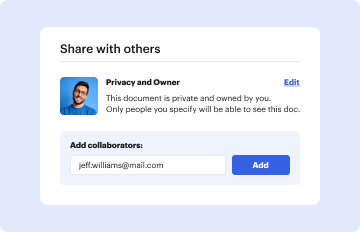
03. Share your form with others
Send it via email, link, or fax. You can also download it, export it or print it out.
How to use or fill out Living Trust for Husband and Wife with Minor and or Adult Children - Kansas
Ease of Setup
DocHub User Ratings on G2
Ease of Use
DocHub User Ratings on G2
Click ‘Get Form’ to open it in the editor.
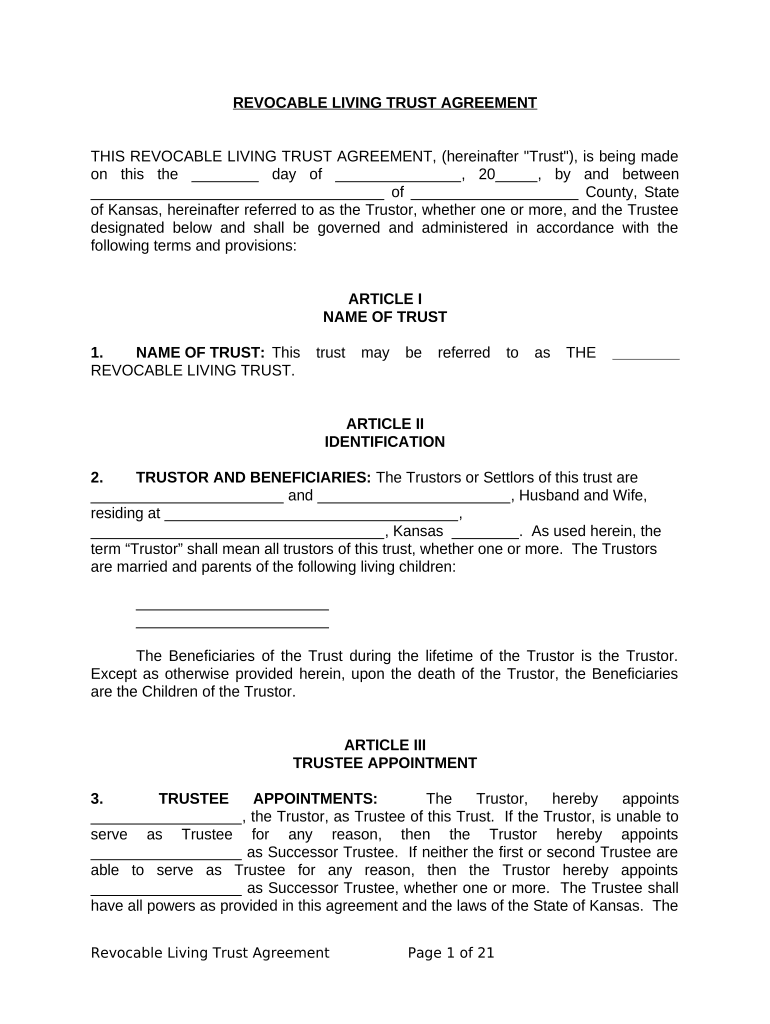
Begin by entering the date of the agreement at the top of the form. This is crucial as it establishes when the trust is created.
In Article I, specify the name of your trust. This should be a unique title that reflects its purpose, such as 'The [Your Family Name] Revocable Living Trust'.
Proceed to Article II where you will identify the Trustors (you and your spouse) and list your children as beneficiaries. Ensure all names are spelled correctly.
In Article III, appoint yourself and your spouse as Trustees. If needed, designate a Successor Trustee who will take over if both of you are unable to manage the trust.
Article IV requires you to list all assets included in the trust. Attach an Exhibit A detailing these assets for clarity.
Review Articles V through XII carefully, ensuring all powers granted to Trustees align with your intentions for managing and distributing trust assets.
Finally, sign and date the document in front of a notary public to validate your trust legally.
Start using our platform today to easily create and manage your Living Trust for free!
Fill out Living Trust for Husband and Wife with Minor and or Adult Children - Kansas online It's free
Free living trust for husband and wife with minor and or adult children kansasLiving trust for husband and wife with minor and or adult children kansas formBest living trust for husband and wife with minor and or adult children kansasCreating a trust for adult childrenEstate and inheritance planningTrust for children over 18Irrevocable trust for childTrusts for young adults
Security and compliance
At DocHub, your data security is our priority. We follow HIPAA, SOC2, GDPR, and other standards, so you can work on your documents with confidence.
What You Need to Know About Estate Planning in Kansas and
Mar 28, 2024 IRA distributions paid to your Living Trust to be held in an inherited IRA and paid out over a 10-year period of time to the people who areRead more
Where husband and wife are living together both shall register for work under the program requirements for aid to families with dependent children inRead more
Cookie consent notice
This site uses cookies to enhance site navigation and personalize your experience.
By using this site you agree to our use of cookies as described in our Privacy Notice.
You can modify your selections by visiting our Cookie and Advertising Notice.