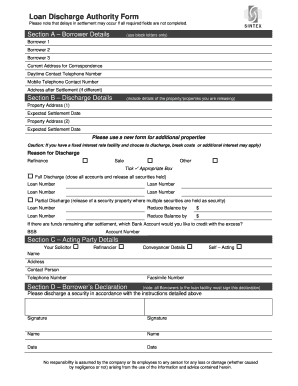

Agreement sale purchase 2026

Get Form
agreement sale purchase Preview on Page 1

Here's how it works

01. Edit your form online
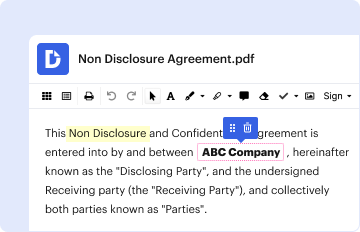
Type text, add images, blackout confidential details, add comments, highlights and more.
02. Sign it in a few clicks
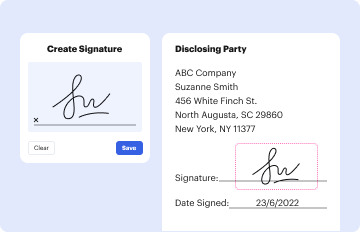
Draw your signature, type it, upload its image, or use your mobile device as a signature pad.
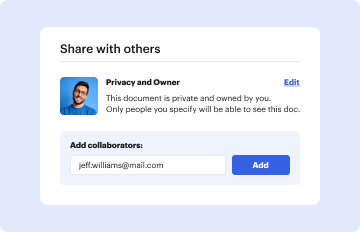
03. Share your form with others
Send it via email, link, or fax. You can also download it, export it or print it out.

How to use or fill out agreement sale purchase with our platform

Form edit decoration
9.5
Ease of Setup
DocHub User Ratings on G2
9.0
Ease of Use
DocHub User Ratings on G2
  1. Click ‘Get Form’ to open the Agreement for Sale and Purchase of Accounts Receivable in the editor.
  2. Begin by entering the date of the agreement in the designated field. This is crucial for establishing the timeline of your transaction.
  3. Fill in the Seller's name and address, ensuring all details are accurate to avoid any legal complications.
  4. Next, input the Buyer's name and address in the corresponding fields, mirroring the format used for the Seller.
  5. Describe the business whose accounts receivable are being sold. This section should provide a clear understanding of what is being purchased.
  6. In Section 1, specify the amount for which the accounts receivable are being sold. Ensure this figure reflects your agreed terms.
  7. Complete Section 2 by detailing how long Seller will collect Receivables and what percentage will be remitted to Buyer each month.
  8. Review Sections 3 through 10 carefully, filling in any necessary information regarding indemnification, notices, arbitration, and governing laws as applicable.
  9. Finally, ensure both parties sign and print their names at the end of the document to validate this agreement.

Start using our platform today to streamline your document editing and signing process for free!

be ready to get more

Complete this form in 5 minutes or less

Get form

Got questions?

We have answers to the most popular questions from our customers. If you can't find an answer to your question, please contact us.
Contact us
A purchase and sale agreement (PSA) is a binding contract that outlines how property will change hands between buyer and seller. It covers the crucial details both parties must follow to complete the sale properly and legally.
The closing process is the final step in executing a real estate transaction. This step occurs after the execution of the PS by the buyer and seller. The closing will be done in person where the buyer will sit down with their real estate attorney to sign and review a number of documents.
What is a Sales Purchase Agreement (SPA)? A SPA is a legally binding contract that sets out the terms and conditions of a sale between a buyer and a seller. It is typically used in the context of buying and selling a business or a docHub asset, such as shares in a company.
If a seller backs out of a signed real estate contract, the buyer might have legal recoursebut the path forward depends on the circumstances. In many cases, the buyer can recover their earnest money deposit, especially if the seller is backing out without a valid contractual reason.
A sales and purchase agreement is a legally binding agreement obligating a buyer and a seller to terms of a transaction. The SPA outlines all of the terms and conditions of the exchange and must be signed by both parties.

Security and compliance

At DocHub, your data security is our priority. We follow HIPAA, SOC2, GDPR, and other standards, so you can work on your documents with confidence.

Learn more

People also ask

A contract of purchase and sale is a legally applicable real estate contract that specifies the terms and conditions under which a property will be transferred from the seller to the buyer. These contracts, often known as sale and purchase agreements, govern the conditions of both parties sales transactions.
Identify the names and addresses of both the buyer and the seller. Detail the price of the property and the terms of the purchase. Set the closing date and closing costs. Detail any taxes and other related costs, and establish which party is paying those costs.

Related links