California protective order 2026

Get Form
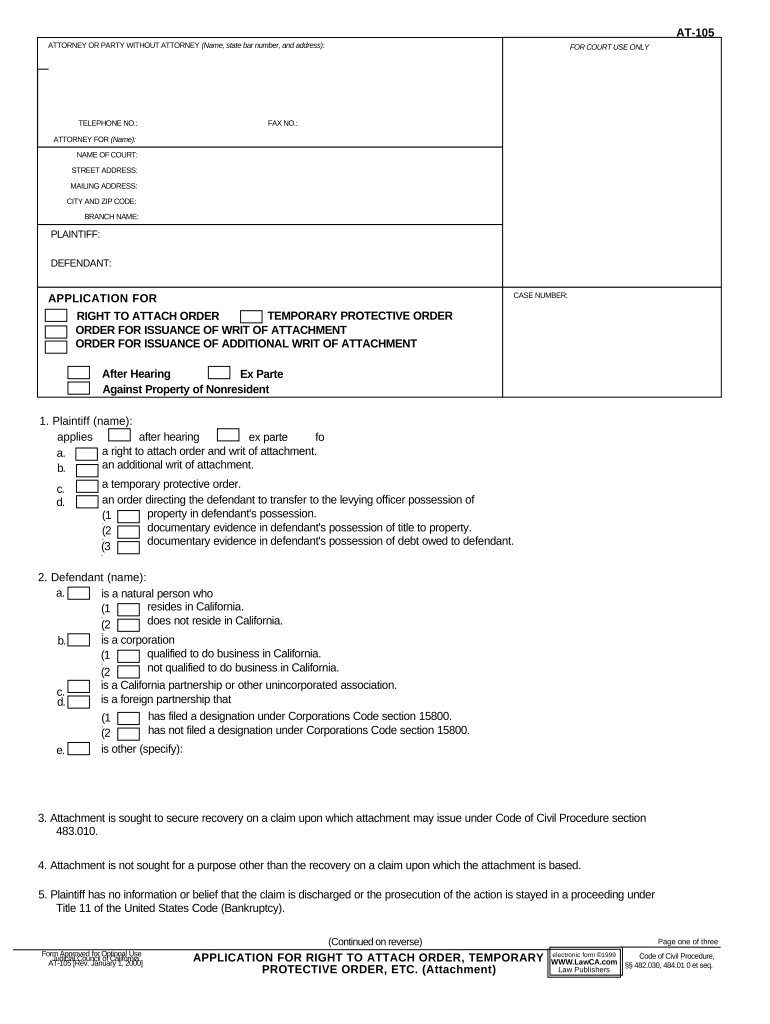
california protective order Preview on Page 1

Here's how it works

01. Edit your form online
Type text, add images, blackout confidential details, add comments, highlights and more.
02. Sign it in a few clicks
Draw your signature, type it, upload its image, or use your mobile device as a signature pad.
03. Share your form with others
Send it via email, link, or fax. You can also download it, export it or print it out.

How to use or fill out California Protective Order with our platform

Form edit decoration
9.5
Ease of Setup
DocHub User Ratings on G2
9.0
Ease of Use
DocHub User Ratings on G2
  1. Click ‘Get Form’ to open the California Protective Order in the editor.
  2. Begin by entering your name and contact information in the 'Plaintiff' section. Ensure accuracy as this identifies you in the case.
  3. Fill out the 'Defendant' section, providing details about the individual or entity against whom you are seeking protection. Specify their residency status.
  4. In the 'Application for Temporary Protective Order' section, clearly state your request and provide any necessary details regarding the circumstances that necessitate this order.
  5. Complete the financial sections, including any amounts you wish to secure through this order. Be precise with figures to avoid delays.
  6. Review all entries for accuracy and completeness before signing. Use our platform’s tools to ensure everything is filled out correctly.

Start using our platform today to easily complete your California Protective Order form online for free!

be ready to get more

Complete this form in 5 minutes or less

Get form

Got questions?

We have answers to the most popular questions from our customers. If you can't find an answer to your question, please contact us.
Contact us
A civil harassment restraining order can be granted against someone who has harassed, stalked, threatened, or harmed another person emotionally or physically. What if I am under 18? If you are 12 or older, you can ask for a restraining order on your own and without your parents permission.
It is a legal document in which a Judge orders someone to follow specific conditions of behavior that is, tells someone things that they must or must not do. Police can make immediate arrests if they have reason to believe those conditions have been violated.
Insufficient Evidence Unfortunately, many petitions are denied because they lack the evidence required to meet this standard. Here are some examples of evidence that can help: Police reports detailing incidents of violence or harassment. Photos of injuries or property damage.
The primary difference lies in the relationship between the parties. Restraining orders are typically used in non-domestic situations involving harassment, stalking, or civil disputes. Protective orders are used in cases of domestic violence or abuse where the abuser has a close personal relationship with the victim.
Difference Between Restraining Orders and Stay-Away Orders CROs are commonly handled in family court, while CPOs are only given within the proceedings of a criminal case, thus, stay-away orders often dont provide the victim with as many protections as a restraining order might.

People also ask

Restraining orders. There are different types of restraining orders. Most restraining orders can order a person to not contact someone and stay away from them. Some restraining orders can include more protection, like order a person to move out, or include protections for your children or other family members.
Does California make an important distinction between the two? Overall, no, California does not make an important or official distinction between protective orders and restraining orders. The two terms are often used interchangeably in legal contexts.

Related links