






Definition and Meaning of the Psychologist Report Sample
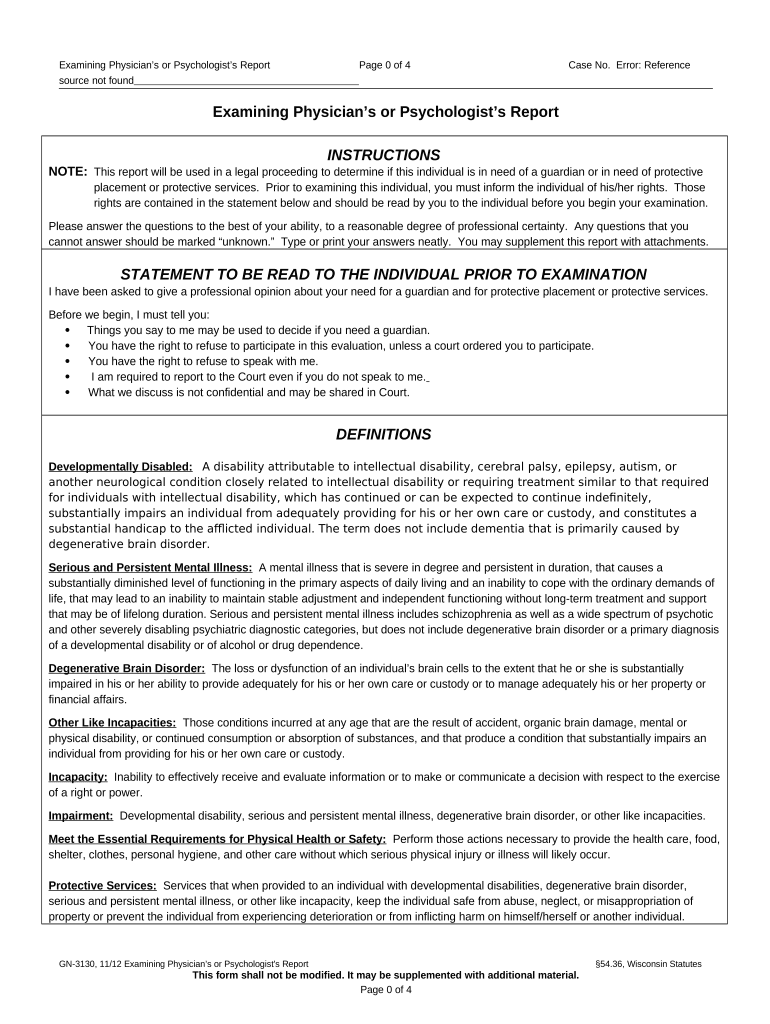
A psychologist report sample is a structured document used to convey critical psychological evaluations and assessments performed by a licensed psychologist. This report can be applied in various contexts, including clinical settings, educational environments, and legal proceedings. The purpose of the report is to summarize the findings from psychological assessments, provide interpretations, and offer recommendations based on the evaluated individual's needs and capabilities.
The report typically includes several key components:
- Personal Information: Details about the individual being evaluated, such as name, age, and background information.
- Reason for Evaluation: The specific concerns or issues that led to the assessment, which may vary from academic difficulties to mental health concerns or legal requirements.
- Assessment Methods: An overview of the psychological tests and interview techniques utilized during the evaluation process.
- Findings and Analysis: A summary of the results obtained from assessments, which could include cognitive abilities, emotional functioning, and behavioral observations.
- Recommendations: Suggestions tailored to the individual’s needs, which may include therapeutic interventions, academic supports, or referrals to other professionals.
Understanding the structure and purpose of a psychologist report sample is essential for both professionals and individuals who might receive this documentation.
How to Use the Psychologist Report Sample
A psychologist report sample serves as a template for creating formal evaluations. To use this sample effectively, follow these steps:
- Adapt the Template: Customize the sample to include specific information about the individual being evaluated. This includes filling in personal details, reasons for evaluation, and relevant history.
- Select Appropriate Assessments: Choose the psychological assessments that best suit the individual's needs. Different tests may be applicable depending on the concerns raised, such as anxiety, depression, or learning disorders.
- Document Findings: Accurately record the observations and results obtained from tests and interviews. It is crucial to maintain clarity and objectivity in this section.
- Provide Analysis and Interpretation: Interpret the results in relation to the issues at hand. This section should connect the findings to the initial reason for evaluation, explaining how the results inform understanding and next steps.
- Craft Recommendations: Offer actionable recommendations based on the assessment results. This may include therapy types, educational support suggestions, or other resources tailored to the individual's circumstances.
Following these steps ensures the psychologist report sample is used effectively for its intended purpose.
Key Elements of the Psychologist Report Sample
A comprehensive psychologist report includes several key elements that are crucial for effective communication of assessment results. These encompass:
- Introduction: A brief overview that sets the context for the report, including the purpose of the evaluation.
- Demographic Information: Essential details about the individual, including age, gender, and relevant background information that may affect their psychological state.
- Clinical Observations: Notes regarding the individual's behavior and emotional state during the sessions, which provide qualitative insights into their condition.
- Assessment Techniques: A detailed list of the psychological tests administered, including standardized assessments and informal measures.
- Results Section: Clear and structured presentation of the results, often with tables or graphs illustrating findings, especially for standardized tests.
- Interpretation of Results: A narrative that contextualizes the data, linking psychological theories and evidence to the individual’s specific circumstances.
- Conclusions: A summary that encapsulates the overall findings, which provides a clear indication of the individual's psychological state.
- Recommendations: Practical advice based on the conclusions, addressing how to proceed to support the individual’s psychological wellbeing.
These elements work together to create a clear, informative, and actionable report that can be used in therapeutic, educational, or legal contexts.
Legal Use of the Psychologist Report Sample
The psychologist report sample has significant implications in legal contexts, particularly in guardianship cases, custody disputes, and eligibility for various services. Here are important legal considerations regarding its use:
- Admissibility: The report must adhere to legal standards for admissibility in court, including being prepared by a licensed psychologist and based on valid assessment methods.
- Rights of the Individual: The report should acknowledge the rights of the individual being evaluated, including their right to understand the assessment process and its potential impact.
- Confidentiality: Maintaining the confidentiality of the report is paramount. The psychologist must ensure that sensitive information is protected and only disclosed with appropriate consent or in legal circumstances that require such disclosure.
- Testimony Requirements: In some cases, the psychologist may be required to testify about the contents of the report, necessitating a comprehensive, accurately drafted document that reflects professional standards.
- Judicial Review: Courts often review psychologist reports thoroughly. They evaluate the findings and recommendations to determine their impact on legal decisions regarding custody, guardianship, or mental competency.
Understanding these legal aspects is crucial for psychologists and stakeholders involved in cases where the psychologist report sample is utilized.
Examples of Using the Psychologist Report Sample
Psychologist reports can be utilized in a variety of scenarios where psychological assessment is necessary. Some common examples include:
- Educational Assessments: Schools may request psychologist reports to evaluate students for learning disabilities or emotional disturbances. The report can guide individualized education programs (IEPs) or special accommodations.
- Legal Proceedings: In custody disputes, courts may require psychologist reports to assist in determining the best interests of a child. The findings can influence custody arrangements based on parental capacities.
- Clinical Settings: Mental health professionals use reports to document diagnoses and treatment plans for clients. These reports can inform therapy approaches and progress tracking.
- Workplace Evaluations: Companies may require psychological assessments for employment candidates or employees facing performance issues, ensuring suitability for roles and organizational fit.
- Support Services: Government agencies may use reports to evaluate an individual's eligibility for social services, such as disability benefits or supported living programs.
Each of these examples highlights the broad application of psychologist reports in supporting informed decisions across various settings.