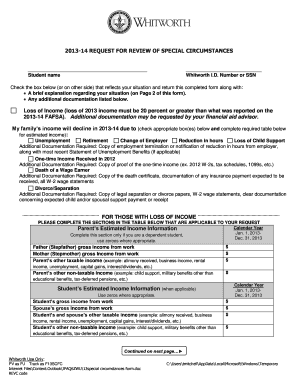
Medical Report Occupational Disease - Kentucky 2026

Get Form
Medical Report Occupational Disease - Kentucky Preview on Page 1

Here's how it works

01. Edit your form online
Type text, add images, blackout confidential details, add comments, highlights and more.
02. Sign it in a few clicks
Draw your signature, type it, upload its image, or use your mobile device as a signature pad.
03. Share your form with others
Send it via email, link, or fax. You can also download it, export it or print it out.

How to use or fill out Medical Report Occupational Disease - Kentucky with our platform

Form edit decoration
9.5
Ease of Setup
DocHub User Ratings on G2
9.0
Ease of Use
DocHub User Ratings on G2
  1. Click ‘Get Form’ to open the Medical Report Occupational Disease - Kentucky in the editor.
  2. Begin by filling out the Plaintiff/Employee Information section. Enter the employee's name, last four digits of their Social Security Number, date of birth, job title, employer, and examination date.
  3. In the History section, document any complaints related to occupational diseases. If applicable, include smoking history for lung or heart-related conditions.
  4. Review and summarize the Employment History. Ensure accuracy by referencing Form 104 if available.
  5. Detail prior and current treatments in the Treatment section. List all medical records reviewed that pertain to the complaints.
  6. Conduct a thorough Physical Examination and record objective findings relevant to the occupational disease.
  7. Complete the Diagnostic Testing section by including results from any tests such as X-rays or pulmonary function tests.
  8. Fill out Diagnosis and Impairment sections using AMA Guides for accurate impairment ratings based on your findings.
  9. Address Causation by determining if there is a link between the disease and work environment factors.
  10. Finally, provide recommendations for treatment and certify your qualifications as a physician at the end of the form.

Start using our platform today to streamline your form completion process for free!

be ready to get more

Complete this form in 5 minutes or less

Get form

Got questions?

We have answers to the most popular questions from our customers. If you can't find an answer to your question, please contact us.
Contact us
Occupational diseases include any illness or condition associated with a particular occupation or industry.
An occupational disease specifically does not include an ordinary disease of life to which the general public is exposed outside of employment except where that disease is related to a compensable injury or occupational disease.
Under Kentucky workers comp laws, certain employees are exempt from coverage, including: Any person employed in agriculture. Members of a religious sect or organization that oppose insurance benefits. Domestic workers employed in a private home with less than two regularly employed workers.
Occupational diseases are typically classified based on the type of agent or hazard that causes them. The main categories are: Physical Agents: Caused by factors like excessive noise, extreme temperatures, and radiation.
Occupational diseases include conditions caused by workplace hazards such as asbestosis, silicosis, hearing loss, and dermatitis. But while there are many kinds of occupational diseases, a handful of occupational diseases are more common than others.

Security and compliance

At DocHub, your data security is our priority. We follow HIPAA, SOC2, GDPR, and other standards, so you can work on your documents with confidence.

Learn more
ccpa2
pci-dss
gdpr-compliance
hipaa
soc-compliance

People also ask

Kentucky law requires injured workers to report their injury as soon as practicable and file a formal workers compensation claim within two years of the injury or the last voluntary payment of benefits. While the waiting week may delay some payments, it does not pause or extend these deadlines.
TTD benefits are paid at 66.67% (sixty-six and two thirds) of the average weekly wage. This amount is subject to a cap that can change on a yearly basis. In 2023, the cap was $1,118.43 per week.

Related links