
Waiver notice template 2026

Get Form
waiver notice template Preview on Page 1

Here's how it works

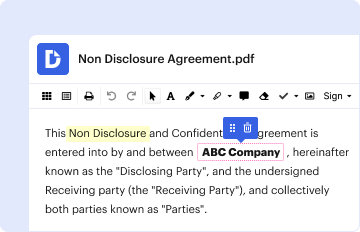
01. Edit your form online
Type text, add images, blackout confidential details, add comments, highlights and more.
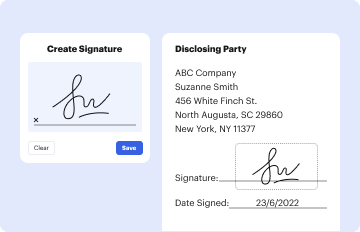
02. Sign it in a few clicks
Draw your signature, type it, upload its image, or use your mobile device as a signature pad.
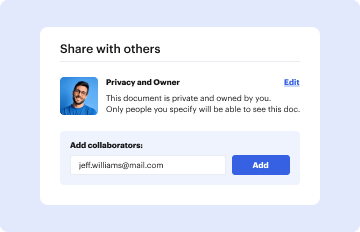
03. Share your form with others
Send it via email, link, or fax. You can also download it, export it or print it out.

How to use or fill out waiver notice template with our platform

Form edit decoration
9.5
Ease of Setup
DocHub User Ratings on G2
9.0
Ease of Use
DocHub User Ratings on G2
  1. Click ‘Get Form’ to open the waiver notice template in the editor.
  2. Begin by entering your full name in the designated field at the top of the form. This identifies you as the individual waiving notice.
  3. In the section labeled 'waive notice of the following hearings or other matters', clearly specify the hearings or matters for which you are waiving notice. Be precise to avoid any confusion.
  4. Next, provide your signature and date in the appropriate fields. Ensure that your signature matches your printed name for authenticity.
  5. Fill out your contact information, including address, city, state, zip code, and phone number. This information is crucial for court records.
  6. If required, complete the notary section by having a notary public witness your signature and fill in their details.

Start using our platform today to easily fill out and manage your waiver notice template for free!

be ready to get more

Complete this form in 5 minutes or less

Get form

Got questions?

We have answers to the most popular questions from our customers. If you can't find an answer to your question, please contact us.
Contact us
The process of creating a waiver should be taken seriously. Waivers are legal documents that list specific terms for your participants to agree to, so its crucial that they are complete and legally sound. Professional help from a lawyer is strongly recommended any time you are working with legal documents.
Generally speaking, a waiver of notice is a legal document that waives an individuals right to formal notification. The purpose of a waiver of notice is usually to allow legal proceedings to commence unencumbered by frequent notices, allowing the proceedings to be more timely and efficient.
I am voluntarily participating in this Activity. I understand that there are risks associated with my participation in this Activity, such as physical and/or psychological injury, pain, suffering, illness, disfigurement, temporary or permanent disability, death or economic loss.
Waiver letters are usually brief and limited to two or three paragraphs. Stick to the facts. Dont exaggerate the reasons why you require the waiver or dramatize your situation. Include evidence that supports your reasons for requesting a waiver such as names, dates or anything else that backs up what you say.
Key Takeaways On How To Write A Waiver Choose a waiver template. Determine the type of activity or service. State the purpose of the waiver. Identify the risks. Include a title. Include customer information. Include waiver terms. Include a statement of understanding.

Security and compliance

At DocHub, your data security is our priority. We follow HIPAA, SOC2, GDPR, and other standards, so you can work on your documents with confidence.

Learn more
ccpa2
pci-dss
gdpr-compliance
hipaa
soc-compliance

People also ask

Proper formatting of a waiver is essential to ensure clarity and legality. Here are some guidelines to follow when creating a waiver document: Use clear and concise language: avoid legal jargon and complex language. The waiver should be written in straightforward terms that are easy for participants to understand.
Examples of waivers include the waiving of parental rights, waiving liability, tangible goods waivers, and waivers for grounds of inadmissibility.

Related links