


Sample letter to judge to remove warrant 2026

Get Form
sample letter to judge to remove warrant Preview on Page 1

Here's how it works

01. Edit your sample letter to judge to remove warrant online
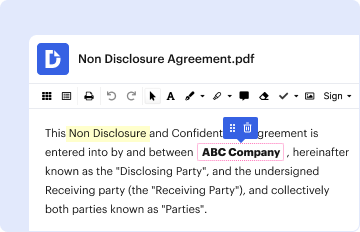
Type text, add images, blackout confidential details, add comments, highlights and more.
02. Sign it in a few clicks
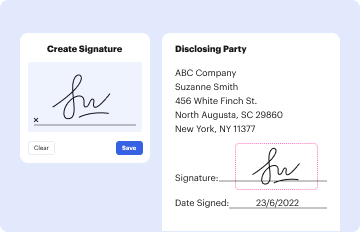
Draw your signature, type it, upload its image, or use your mobile device as a signature pad.
03. Share your form with others
Send how to get a warrant dropped without going to jail via email, link, or fax. You can also download it, export it or print it out.

How to use or fill out sample letter to judge to remove warrant with our platform

Form edit decoration
9.5
Ease of Setup
DocHub User Ratings on G2
9.0
Ease of Use
DocHub User Ratings on G2
  1. Click ‘Get Form’ to open the sample letter to judge to remove warrant in the editor.
  2. Begin by filling out the caption section. Insert your name as the Plaintiff and the opposing party's name as the Defendant. Ensure you include the case number and department number accurately.
  3. In the Notice of Motion, specify whether oral argument is requested. This informs the court about your preference for a hearing.
  4. Complete the motion details by stating why you are requesting to quash the bench warrant. Use clear and concise language to explain your situation.
  5. Fill out the Affidavit in Support of Motion, ensuring it is signed before a Notary Public. This adds credibility to your request.
  6. Review all sections for accuracy and clarity before saving or printing your document for submission.

Start using our platform today for free to streamline your document editing and filing process!

be ready to get more

Complete this form in 5 minutes or less

Get form

Got questions?

We have answers to the most popular questions from our customers. If you can't find an answer to your question, please contact us.
Contact us
Writing letters to judges is not appreciated in any jurisdiction. It may bring about a contempt of court charge and put you in jail in some jurisdictions.
While we can understand why it might make sense to write a letter to your judge explaining your side of the story, we have found that writing such a letter can have dire consequences for your case and in some cases, prevent you from filing similar motions in the future.
Generally, the letters should be typed on 8.5 by 11-inch standard paper. Remember that the goal is to get the court to read your letter, and the easier that you make it for them to read, the better. The only exception is if the letter is written by a child. In that case, a handwritten letter may be more powerful.
The letter should be clear and concise, directly addressing the points of character evidence without deviating into irrelevant details. Each paragraph should have a distinct purpose, whether its introducing the writer, detailing the defendants positive traits, or appealing for leniency.
A character reference letter to a judge should be honest, respectful, and focused on the defendants positive traits. It must avoid discussing case details or making excuses. Include your relationship to the defendant, examples of good character, and any rehabilitation efforts. Keep the letter concise and professional.

Security and compliance

At DocHub, your data security is our priority. We follow HIPAA, SOC2, GDPR, and other standards, so you can work on your documents with confidence.

Learn more

People also ask

Judges expect people to make scheduled hearings. If, for some reason, you cannot make the hearing or the trial, then you will need to contact the court to ask for a continuance. In some courts, you can make the request by writing a letter.
Character reference letters for court serve a crucial purpose: they give the judge a broader perspective on your life. While a sentencing hearing primarily focuses on legal arguments, guidelines, and past actions, a strong character letter shifts the narrative.
Writing a Persuasive Motion to Dismiss Be Clear and Concise: Use straightforward language and be diligent with proofreading. Stay Focused on the Legal Issues: Avoid unnecessary details and stick to the relevant legal arguments. Support Every Claim: Use statutes, case law, and rules of procedure to back up your points.

how much does it cost to quash a warrant