Spending diary 2026

Get Form
lowest income Preview on Page 1

Here's how it works

01. Edit your lowest income online
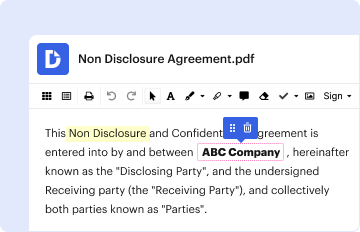
Type text, add images, blackout confidential details, add comments, highlights and more.
02. Sign it in a few clicks
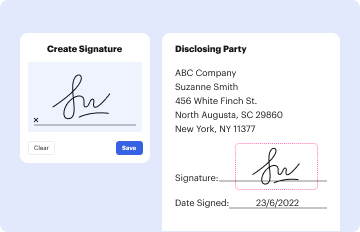
Draw your signature, type it, upload its image, or use your mobile device as a signature pad.
03. Share your form with others
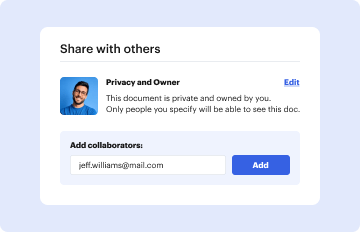
Send it via email, link, or fax. You can also download it, export it or print it out.

How to Use or Fill Out Spending Diary with Our Platform

Form edit decoration
9.5
Ease of Setup
DocHub User Ratings on G2
9.0
Ease of Use
DocHub User Ratings on G2
  1. Click ‘Get Form’ to open the spending diary in the editor.
  2. Begin by entering your name and the date at the top of the form. This personalizes your diary and helps you track your spending over time.
  3. In the first section, record each purchase you make. For every entry, fill in the date of the transaction, what you bought, and how much it cost. This will help you understand your spending habits.
  4. Next, move to the expense categories section. Here, categorize your purchases into predefined groups such as Automobile, Clothing, Food, etc. This organization makes it easier to analyze where your money goes.
  5. Finally, complete the spending summary chart by totaling amounts spent in each category. This visual representation will highlight areas where you may want to adjust your budget.

Start using our platform today to effortlessly manage your spending diary for free!

be ready to get more

Complete this form in 5 minutes or less

Get form

Got questions?

We have answers to the most popular questions from our customers. If you can't find an answer to your question, please contact us.
Contact us
There are three major types of expenses we all pay: fixed, variable, and periodic. Understanding the difference is important when creating your budget. Understanding the Three Major Types of Expenses | MMI Money Management International blog three-majo Money Management International blog three-majo
The 50-30-20 rule recommends putting 50% of your money toward needs, 30% toward wants, and 20% toward savings. The savings category also includes money you will need to realize your future goals. Budgeting basics: The 50-30-20 rule - UNFCU UNFCU financial-wellness 50-30-20-r UNFCU financial-wellness 50-30-20-r
In order for it to work you must write down absolutely everything you spend and how you pay for it e.g. cash, debit or credit card. If you forget to carry your spending diary with you make sure you keep receipts for the items you have bought and enter the information into your spending diary at the end of the day.
Keeping a spending diary may help you identify exactly where you spend your money, change certain spending habits and improve your financial situation. You may find it a useful way of prioritising what spending is essential and not essential. Keeping a spending Diary | Financial Wellbeing Royal College of Nursing Member-support-services S Royal College of Nursing Member-support-services S
Its Simple and Straightforward 70% for living expenses. 10% for short-term savings. 10% for long-term investments. 10% for debt repayment. 70/10/10/10 Budget Rule: A Flexible Way to Manage Money - Embark Embark learning-centre 70-10-10-10- Embark learning-centre 70-10-10-10-

Security and compliance

At DocHub, your data security is our priority. We follow HIPAA, SOC2, GDPR, and other standards, so you can work on your documents with confidence.

Learn more
ccpa2
pci-dss
gdpr-compliance
hipaa
soc-compliance
be ready to get more

Complete this form in 5 minutes or less

Get form