Consignment Agreement - uiowaedu 2026

Get Form
product service Preview on Page 1

Here's how it works

01. Edit your product service online
Type text, add images, blackout confidential details, add comments, highlights and more.
02. Sign it in a few clicks
Draw your signature, type it, upload its image, or use your mobile device as a signature pad.
03. Share your form with others
Send service products via email, link, or fax. You can also download it, export it or print it out.

How to use or fill out Consignment Agreement - uiowaedu with our platform

Form edit decoration
9.5
Ease of Setup
DocHub User Ratings on G2
9.0
Ease of Use
DocHub User Ratings on G2
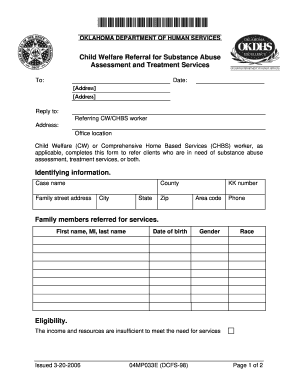
  1. Click ‘Get Form’ to open the Consignment Agreement in the editor.
  2. Begin by filling out the 'Initial Consignment Inventory' section. List the products you intend to consign, ensuring that they are solely for UIHC’s internal use.
  3. In the 'Consignment Inventory Levels' section, specify mutually acceptable stock levels based on current usage. Ensure you have a firm contract for pricing before placing items.
  4. For 'Reductions in Consignment Inventory Levels', note any items that may need reassessment if not utilized within a reasonable period and understand vendor rights regarding inventory removal.
  5. Complete the 'Return of Inventory' section by detailing conditions under which unused or expired items can be returned to the vendor.
  6. Fill in the 'Inventory Replacements' area with necessary details for replenishing consigned products, including model and serial numbers.
  7. Finally, ensure all signatures are completed at the bottom of the form, confirming agreement from both parties.

Start using our platform today to streamline your document editing and signing process for free!

be ready to get more

Complete this form in 5 minutes or less

Get form

Got questions?

We have answers to the most popular questions from our customers. If you can't find an answer to your question, please contact us.
Contact us
The Consignee may terminate this Agreement at any time and for any reason by providing 30 days advance written notice and by returning to the Consignor all of the unsold merchandise that is the subject of this Agreement.
A consignment agreement, to be used where the seller (consignor) wishes to place goods on consignment before they are resold or used by the buyer (consignee). Goods will be stored at a facility or warehouse, under the control of the consignor, the consignee, or a third party.
Consignment is a type of contract in which the consignor delivers the goods to the consignee for sale. The consignee takes care of the goods and sells them. Until the goods are sold, the consignor does not lose ownership of the goods. After the sale, the consignee pays the consignor a certain amount of sale proceeds.
A consignment agreement form includes terms such as the commission rate for the consignee and payment terms. It also outlines the agreement duration, expense responsibilities and the process for handling unsold goods or returns. Additionally, terms regarding insurance coverage may be included.
Key features of consignment include: Ownership: The consignor remains the legal owner of the goods until they are sold to an end customer. Risk: The consignor usually bears the risk of loss, damage, or obsolescence of the consigned goods until they are sold.

Security and compliance

At DocHub, your data security is our priority. We follow HIPAA, SOC2, GDPR, and other standards, so you can work on your documents with confidence.

Learn more
ccpa2
pci-dss
gdpr-compliance
hipaa
soc-compliance

People also ask

So what is a fair consignment percentage split in todays market? Most trade analysts agree that a 60:40 split in favour of the consignor is fair. This means that the owner or maker receives 60% of each items selling price, while the consignment shop gets 40%.
In a consignment agreement, a consignor supplies goods to a consignee, who sells them on the consignors behalf. The consignee earns a commission from each sale and sends the remaining sales revenue to the consignor. The consignor retains ownership of the goods until they are sold.

product service products