






Definition and Purpose of the Pain Diary
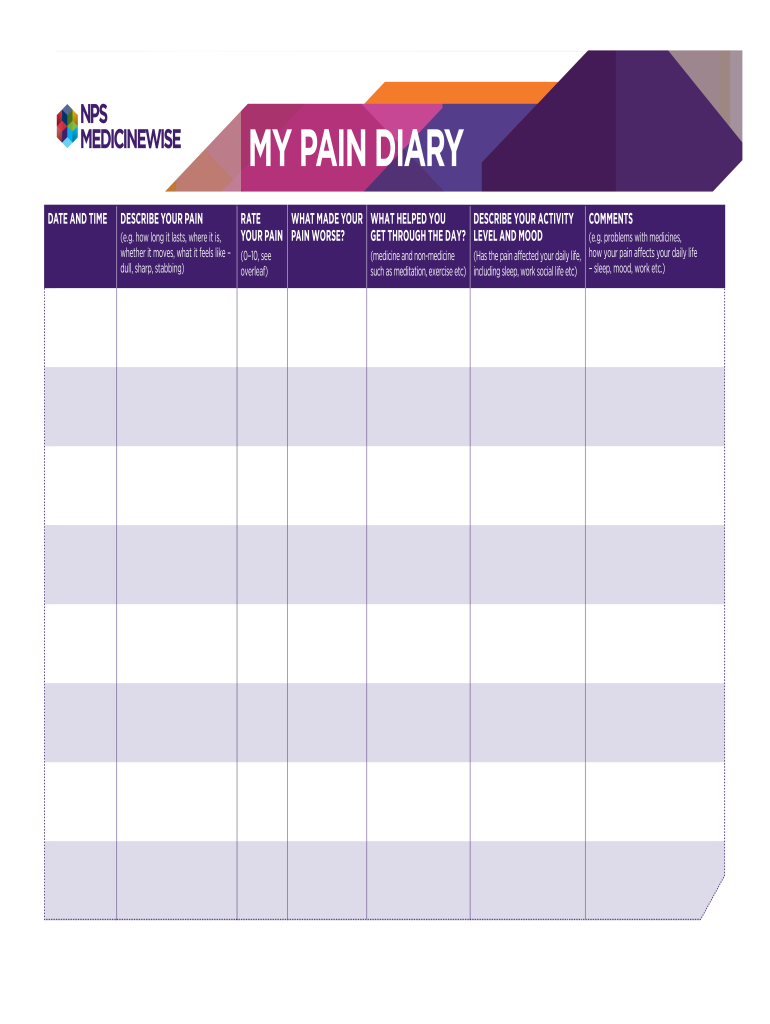
A pain diary is a structured tool designed to help individuals effectively track their pain experiences over a specified period. It enables users to document essential details about their pain, including intensity, duration, triggers, and relief strategies. This systematic approach to logging pain is invaluable for both patients and healthcare providers, facilitating better communication and more informed decision-making regarding pain management plans.
By recording specific characteristics, such as the nature of the pain (e.g., sharp, dull, throbbing), patients can provide their healthcare team with critical insights. These logs can point to patterns or correlations, such as certain activities exacerbating pain or specific medications providing effective relief. The end goal of a pain diary is to empower individuals in their health journey by creating a clear and comprehensive picture of their pain.
How to Use the Pain Diary Effectively
Using a pain diary effectively involves several steps to ensure accurate and useful documentation.
-
Select a Format: Choose between physical or digital formats, such as a free printable pain diary template or a pain journal app. Each format has its advantages; digital versions may offer easier editing and integration with other apps.
-
Consistent Entries: Dedicate time each day to fill in entries. Consistency is key. Record pain levels, activities undertaken, and any medication taken to see trends over time.
-
Detailing Pain Episodes: When experiencing pain, individuals should note:
- Intensity: Rate the pain on a scale from one to ten.
- Duration: Record how long the pain lasts.
- Triggers and Relief: Document what activities or treatments exacerbate or alleviate the pain.
-
Reflective Notes: Include comments on how pain affects daily life, emotional wellbeing, and participation in activities. This context can be invaluable during discussions with healthcare providers.
-
Review and Adapt: Regularly review entries to identify patterns and share findings during healthcare appointments to refine pain management strategies.
Key Elements of the Pain Diary
The pain diary encompasses several crucial elements that facilitate comprehensive tracking and management of pain.
- Date and Time: Each entry should start with the date and specific time of the pain experience.
- Pain Intensity Scale: Utilizing a numeric scale offers a quantifiable measure of pain intensity.
- Activity Log: Record activities engaged in just prior to the onset of pain.
- Type of Pain: Describe the nature of the pain—be it sharp, nagging, stabbing, or another descriptor.
- Duration of Pain: Note the length of time the pain was experienced.
- Method of Relief: List medications, therapies, or lifestyle adjustments that provided relief.
- Emotional Impact: Include notes on how pain affects mood and day-to-day functionality.
These elements are crucial in creating a comprehensive view of an individual's pain profile, which can lead to improved management options by healthcare providers.
Who Typically Uses the Pain Diary
The pain diary is a versatile tool utilized across various demographics and health conditions.
- Chronic Pain Sufferers: Individuals experiencing long-term pain from conditions like fibromyalgia, arthritis, or migraines.
- Post-operative Patients: Patients recovering from surgery may use a pain diary to report their pain levels and triggers during recovery.
- Healthcare Providers: Physicians, physiotherapists, and pain specialists may encourage patients to maintain a pain diary for better diagnosis and treatment options.
- Researchers: In clinical studies, pain diaries serve as valuable data sources for understanding pain dynamics in different populations.
The use of a pain diary transcends age and demographic boundaries, serving as a resource for anyone managing chronic or acute pain.


Examples of Using the Pain Diary
Using a pain diary effectively requires understanding real-life applications. Here are a few scenarios where a pain diary can prove beneficial.
-
Chronic Headaches: A person suffering from chronic headaches can track when headaches occur, their intensity, and potential triggers, such as stress, caffeine intake, or lack of sleep. This information helps in adjusting lifestyle or treatment options.
-
Arthritis Management: An individual with arthritis can record daily pain levels alongside physical activity to identify which movements worsen the pain. This insight can help adjust physical therapy routines or medication.
-
Post-Surgery Recovery: A patient recovering from knee surgery may track pain on different days post-operation to discuss pain management options with their doctor, highlighting days when pain peaks or when medications are less effective.
-
Fibromyalgia Patient: A fibromyalgia patient might use the diary to pinpoint patterns in flare-ups related to environmental changes, exercise, or dietary habits, assisting in managing symptoms more proactively.
Through these examples, the effectiveness of a pain diary is evident in promoting individual agency in managing health challenges.