




Here's how it works
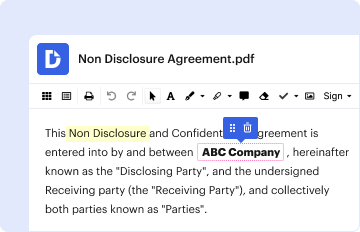
01. Edit your staar seating chart template online
Type text, add images, blackout confidential details, add comments, highlights and more.
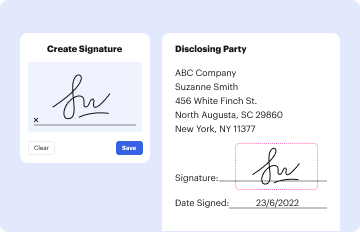
02. Sign it in a few clicks
Draw your signature, type it, upload its image, or use your mobile device as a signature pad.
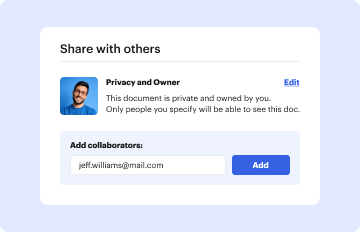
03. Share your form with others
Send telpas seating chart via email, link, or fax. You can also download it, export it or print it out.
How to use or fill out test seating chart with our platform

- Click ‘Get Form’ to open the test seating chart in the editor.
- Begin by filling in the district, campus, and room number at the top of the form. This information is essential for identifying the testing location.
- Next, enter the date of the test and specify which tests are being administered along with the subject and grade level. This helps in organizing and tracking testing sessions.
- List all test administrators' names in the designated field to ensure accountability during the testing process.
- Indicate the start and stop times for the test session. Accurate timing is crucial for maintaining a structured testing environment.
- In section A (Seating Grid), mark each student's name from your testing roster (section B) according to their assigned seat number. Ensure that you also indicate where the front of the testing area is located.
Start using our platform today to streamline your document editing and form completion for free!
Fill out test seating chart online
It's free
It's free
Got questions?
We have answers to the most popular questions from our customers. If you can't find an answer to your question, please contact us.
Contact us
How do I create a seating chart?
Overcrowding (or Underfilling) Tables Most round tables comfortably seat 10 to 12 people, depending on size. Make sure every table on your wedding seating chart is balanced and feels special. If you have some smaller tables, integrate guests from different circles rather than just placing the remaining attendees there.
What information must every seating chart include?
Session ID Student DOB Student Names Directional Arrows Test Adminstrators Name Diagram of Seating Location.
What information must every seating chart include for testing?
Ensure that seating charts have space in which to record all required information, including the test session start and stop times and the test administrators name, and that they are appropriate for the layout of each testing room.
What information should be included in a test report?
Best Practices for Writing a Test Summary Report Focus on key metrics like total tests, pass/fail counts, defects, and coverage, etc. in clear tables. Summarize defects by highlighting defect IDs, severity, and status. Ensure that the critical issues are mentioned separately.
Security and compliance
At DocHub, your data security is our priority. We follow HIPAA, SOC2, GDPR, and other standards, so you can work on your documents with confidence.
Learn more


