Notice and Note Flipbooks 2026

Get Form
book page Preview on Page 1

Here's how it works

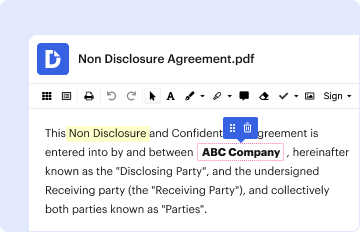
01. Edit your book page online
Type text, add images, blackout confidential details, add comments, highlights and more.
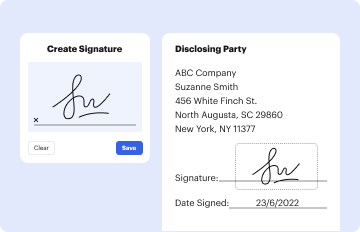
02. Sign it in a few clicks
Draw your signature, type it, upload its image, or use your mobile device as a signature pad.
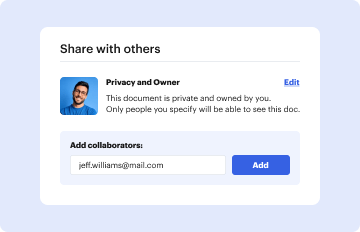
03. Share your form with others
Send book download via email, link, or fax. You can also download it, export it or print it out.

How to use or fill out Notice and Note Flipbooks with our platform

Form edit decoration
9.5
Ease of Setup
DocHub User Ratings on G2
9.0
Ease of Use
DocHub User Ratings on G2
  1. Click ‘Get Form’ to open the Notice and Note Flipbooks in the editor.
  2. Begin by reviewing the 'How to Use the Signposts' section. This will guide you on how to identify key elements while reading.
  3. Fill in the 'Contrasts & Contradictions' section by noting any differences you observe between characters' actions and expectations.
  4. Utilize the 'Aha Moment' field to jot down any realizations characters have during the story, which can enhance your understanding of character development.
  5. In the 'Tough Questions' area, write down challenging questions posed by characters that may indicate deeper themes or conflicts.
  6. Finally, review your entries for clarity and completeness before saving or printing your completed flipbook.

Start using our platform today for free to create engaging and interactive Notice and Note Flipbooks!

be ready to get more

Complete this form in 5 minutes or less

Get form

Got questions?

We have answers to the most popular questions from our customers. If you can't find an answer to your question, please contact us.
Contact us
Helps readers identify where they are in the writings overall structure. Turning now to Moving on to Having considered we will now consider It is now necessary to This section identifies Next
Signposts for Close Reading Probst indicate that there are six signposts for students to use to find clues to determine how characters change and book theme. The six signposts include Contrast and Contradiction, Words of the Wiser, Aha! Moment, Again and Again, Memory Moment, and Tough Questions.
Notice Note strategies and examples Introduce the concept. Giving students some high-level information is a good idea. Start small. Define and describe. Use Real-World Examples. Reinforce with Visuals. Model and apply. Move toward independence.
NOTICE and NOTE SIGNPOSTS They provide insight into or raise questions about literacy elements such as a character, setting, conflict, and theme. Because these signposts are consistently found in a majority of books, they support students as they read a wide range of literature, and even nonfiction texts.
The signposts are: Contrasts and Contradictions: Sharp differences between what we expect characters to do, and what they actually do. Aha Moments: Realizations that shift characters actions or understanding. Tough Questions: Questions characters raise that reveal their inner struggles.

Security and compliance

At DocHub, your data security is our priority. We follow HIPAA, SOC2, GDPR, and other standards, so you can work on your documents with confidence.

Learn more
ccpa2
pci-dss
gdpr-compliance
hipaa
soc-compliance

People also ask

What are the steps for close reading? Step 1: Read the Text. For the first step, simply have students read the text. Step 2: Markup the Text. This step goes along with step one. Step 3: Read the Text Again. Step 4: Define Unknown Words. Step 5: Read the Text Again. Step 6: Respond to the Reading.
The six signposts are features that readers can look for in texts to help them analyze and understand what they are reading on a deeper level. They are contrasts and contradictions, aha moments, tough questions, words of the wiser, again and again, and memory moments.

book sheet