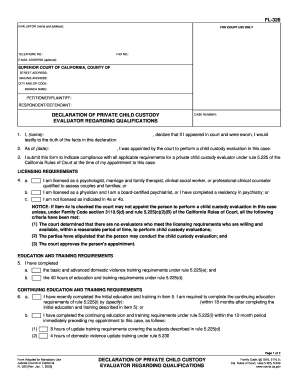

FEDERAL DNA DATABASE UNIT DNA BUCCAL COLLECTION KIT - fbi 2026

Get Form
dna database pros and cons Preview on Page 1

Here's how it works

01. Edit your dna database pros and cons online
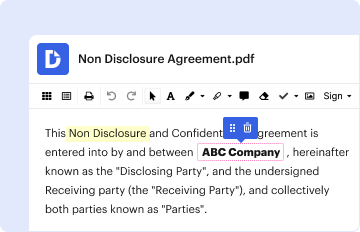
Type text, add images, blackout confidential details, add comments, highlights and more.
02. Sign it in a few clicks
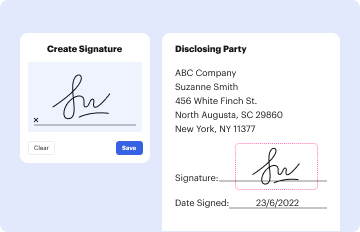
Draw your signature, type it, upload its image, or use your mobile device as a signature pad.
03. Share your form with others
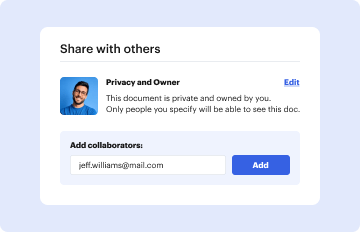
Send it via email, link, or fax. You can also download it, export it or print it out.

How to use or fill out FEDERAL DNA DATABASE UNIT DNA BUCCAL COLLECTION KIT - fbi with our platform

Form edit decoration
9.5
Ease of Setup
DocHub User Ratings on G2
9.0
Ease of Use
DocHub User Ratings on G2
  1. Click ‘Get Form’ to open the FEDERAL DNA DATABASE UNIT DNA BUCCAL COLLECTION KIT in the editor.
  2. Begin by reviewing the Basic Collection Kit Information section. Ensure you have all components, including the FD-936 form and buccal collection devices.
  3. Fill out the FD-936 form carefully. Use black or blue ink and print legibly in the white boxes outlined in red. Only one letter or number is allowed per box.
  4. Complete the Agency Contact Information section using a mailing label if available. Do not enter anything in the 'For Official Use Only' box.
  5. Proceed to fill out Personal Identifying Information, ensuring that all details match those on the buccal collection card.
  6. Follow instructions for Sample Collection Information, noting the reason for DNA collection and ensuring all names are recorded accurately.
  7. After collecting samples, package everything securely in the return envelope provided and mail it within 24 hours.

Start using our platform today to streamline your document editing and ensure a smooth submission process!

be ready to get more

Complete this form in 5 minutes or less

Get form

Got questions?

We have answers to the most popular questions from our customers. If you can't find an answer to your question, please contact us.
Contact us
Only samples from convicted criminals, or people awaiting trial, are recorded, although a new law will allow the DNA from people charged with a serious sexual or violent offence to be kept for up to five years after acquittal.
CODIS (Combined DNA Index Systems), an electronic database of DNA profiles that can identify suspects, is similar to the Automated Fingerprint Identification System where suspects can be identified or linked to a crime scene through search analysis.
Law Enforcement Requests in the United States: Contents of communications and any data relating to the DNA of an Ancestry user will be released only pursuant to a valid search warrant from a government agency with proper jurisdiction.
CODIS is an acronym for Combined DNA Index System, which is a computer software program that operates local, state, and national databases of DNA profiles from convicted offenders, unsolved crime scene evidence, and missing persons.
Overview. The Federal DNA Database Unit (FDDU) aids investigations through hit confirmations against individuals whose profiles are in the National DNA Index System (NDIS). Agencies submit blood or buccal (cheek) samples to the unit from individuals who are required by law to do so.

Security and compliance

At DocHub, your data security is our priority. We follow HIPAA, SOC2, GDPR, and other standards, so you can work on your documents with confidence.

Learn more
ccpa2
pci-dss
gdpr-compliance
hipaa
soc-compliance
be ready to get more

Complete this form in 5 minutes or less

Get form

People also ask

When someone gets arrested for a felony in California, they have no choice: the police take a sample of their DNA. But even when theyre not convicted, the California Department of Justice still hangs onto their DNA indefinitely, storing it in a massive database to use in future investigations.

Related links