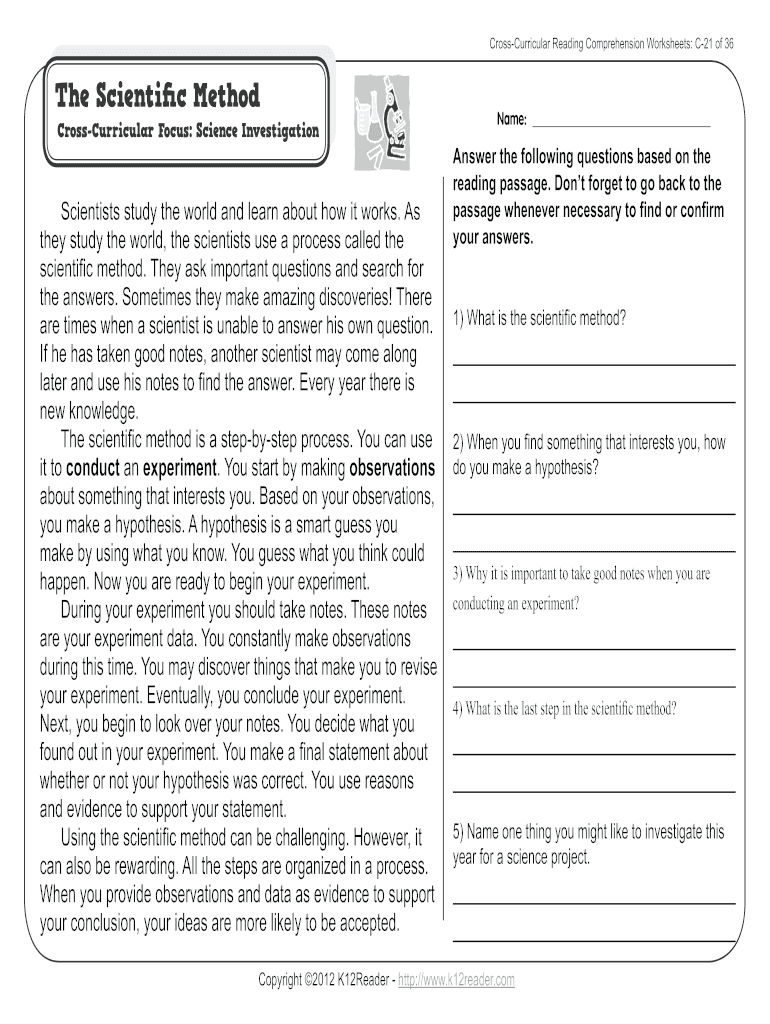







Definition and Meaning of Reading Comprehension for 3rd Grade
Reading comprehension for third graders involves understanding, interpreting, and analyzing texts at a level appropriate for their age and educational stage. This skill is crucial as it lays the foundation for further academic success. The materials in a third-grade reading comprehension PDF are designed to challenge students while enhancing their understanding of various texts.
- Components of Reading Comprehension:
- Vocabulary understanding: Grasping the meaning of words and phrases.
- Fluency: The ability to read smoothly and with appropriate speed.
- Text analysis: The capacity to identify main ideas, supporting details, and themes.
- Critical thinking: Making inferences and connections beyond the text.
Fostering these components through structured exercises and reading passages helps students improve their overall literacy skills.
How to Use the Reading Comprehension 3rd Grade PDF
Using a reading comprehension PDF effectively involves more than just having the document; it requires a strategic approach to maximize learning.
-
Select Appropriate Passages:
- Choose passages that align with the student’s interests and are suitable for their reading level.
- Look for texts that include engaging themes, such as adventure, friendship, or animals.
-
Incorporate Interactive Elements:
- Encourage students to annotate the text by highlighting important information or writing notes in the margins.
- Use the questions and exercises that accompany the reading to check for understanding.
-
Supplement with Collaborative Learning:
- Organize group discussions where students can share their thoughts and interpretations of the reading material.
- Pair students with different reading levels to foster peer-to-peer learning.
-
Feedback and Assessment:
- After completing exercises, provide constructive feedback, focusing on areas for improvement.
- Use quizzes or tests that cover the reading passages to assess comprehension levels formally.
This multi-faceted approach ensures that students not only engage with the text but also develop essential analytical skills.
How to Obtain the Reading Comprehension 3rd Grade PDF
Obtaining a third-grade reading comprehension PDF can be achieved through several methods, providing flexibility depending on access and needs.
-
Educational Websites:
- Numerous educational platforms provide free downloads of reading comprehension materials tailored for third graders.
- Resources like educational blogs or teacher resource sites often feature downloadable PDFs containing stories and questions.
-
Library Resources:
- Local libraries frequently offer digital collections where families can access age-appropriate reading materials, including comprehension PDFs.
-
School Materials:
- Teachers may distribute reading comprehension worksheets that can be available in PDF format, either in digital classrooms or as printed handouts.
By utilizing these varied resources, parents and educators can easily access engaging reading comprehension materials for their students.
Key Elements of Reading Comprehension Exercises
Understanding the essential elements of reading comprehension exercises is crucial for effective learning. These key components help structure the tasks in the third-grade PDF.
-
Passages:
- Each exercise typically includes a short reading passage that sets the context for the questions that follow.
-
Questions:
- Questions are designed to test various levels of comprehension, including:
- Literal Questions: Directly related to the text's content.
- Inferential Questions: Encourage students to make inferences based on the given information.
- Critical Thinking Questions: Require students to analyze the text and form personal opinions.
- Questions are designed to test various levels of comprehension, including:
-
Answer Key:
- Many PDFs include an answer key that allows for self-assessment or provides teachers with a quick reference to verify answers.
-
Instructions:
- Clear instructions guide students on how to approach each section, ensuring clarity in expectations and outcomes.
These elements create a structured and supportive environment that fosters effective reading skills among third graders.
Examples of Using the Reading Comprehension 3rd Grade PDF
Incorporating reading comprehension PDFs into the classroom or at home can take many practical forms, enhancing the learning experience.
-
Daily Reading Practice:
- Incorporate short passages into daily lessons, allowing students to practice comprehension skills routinely.
-
Themed Learning Weeks:
- Focus on specific themes, such as historical events or cultural stories, using passages that relate to these topics to broaden students’ perspectives.
-
Cross-Curricular Connections:
- Use reading passages that tie into science or social studies topics, allowing students to see the relevance of reading comprehension across subject areas.
-
Interactive Events:
- Hold reading challenges or book fairs where comprehension texts are featured, prompting students to engage in friendly competition while practicing their skills.
These examples create a dynamic learning environment and encourage students to connect with reading on multiple levels.
Who Typically Uses the Reading Comprehension 3rd Grade PDF
The audience for third-grade reading comprehension PDFs is diverse and extends beyond just students.
-
Students:
- Third graders primarily use these materials to develop their literacy skills, preparing for more complex reading requirements in the future.
-
Educators:
- Teachers utilize these PDFs to design lesson plans, create instructional materials, and assess student progress.
-
Parents and Guardians:
- Parents often use these resources to support their children's at-home learning and reinforce skills taught in the classroom.
-
Tutors and Learning Centers:
- Educators in tutoring settings leverage these materials to provide targeted help to students who may be struggling with reading comprehension.
Understanding who uses these resources can help in tailoring the materials to meet specific needs, ensuring greater effectiveness in teaching reading comprehension.