






Understanding the Job Hazard Analysis (JHA) Form PDF
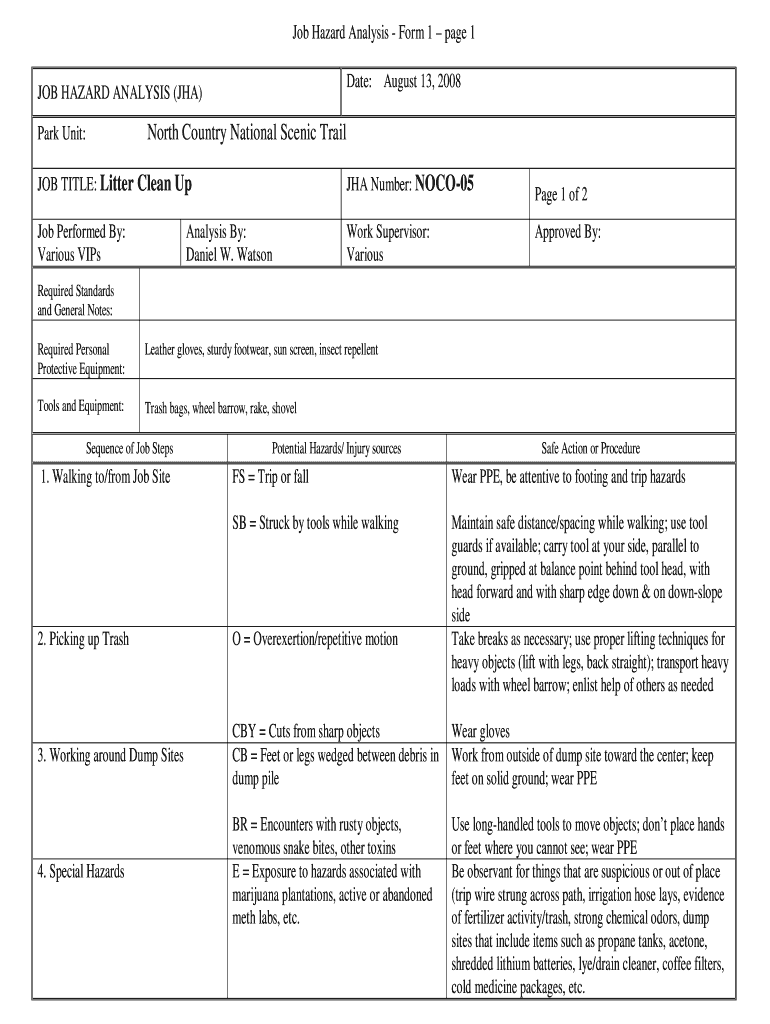
A Job Hazard Analysis (JHA) form PDF is a crucial document that serves as a comprehensive guide for identifying potential hazards associated with specific job tasks. It helps ensure workplace safety by detailing risks and the necessary precautions to mitigate those risks. Here are all the essential aspects of the JHA form:
Definition and Purpose of the JHA Form
The JHA form is designed to systematically assess potential hazards that may arise during job activities. It outlines various risks, safety measures, and responsibilities. Key purposes include:
- Risk Identification: Documenting possible dangers, such as slips, trips, falls, and exposure to hazardous materials.
- Control Measures: Providing preventive actions to minimize or eliminate risks.
- Legal Compliance: Ensuring adherence to Occupational Safety and Health Administration (OSHA) regulations.
Steps to Complete a JHA Form
Completing a JHA form requires careful consideration of each job task and its associated hazards. Follow these steps to craft an effective analysis:
- Select the Job: Identify the job or task that requires evaluation.
- Break Down the Job: Divide the job into individual steps or components.
- Identify Hazards: For each step, note potential hazards, including environmental, biological, or mechanical risks.
- Assess Risk Levels: Evaluate the severity and likelihood of each hazard occurring.
- Implement Control Measures: Specify what actions will be taken to mitigate risks, such as providing personal protective equipment (PPE) or modifying procedures.
- Review and Revise: Share the completed form with team members for feedback and make revisions as necessary.
Key Elements of the JHA Form PDF
A comprehensive JHA form typically includes the following key elements:
- Job Title/Task Description: Clear identification of the specific task being analyzed.
- Hazard Assessment: Details of identified hazards, including possible outcomes and affected individuals.
- Control Measures: List of actions taken to protect workers, such as training requirements and use of PPE.
- Signatures: Authorization from safety officers or team leads indicating the form has been reviewed and understood.
Legal Use of the JHA Form
Employers are legally required to ensure workplace safety under OSHA regulations. The JHA form serves as a pivotal tool in documenting compliance efforts. Its legal use is characterized by:
- Standard Procedures: Employers must follow specific procedures for generating and maintaining JHA forms.
- Documentation: Properly completed JHAs can be cited in case of inspections or accidents, providing evidence of safety diligence.
Examples of JHA Form Applications in Various Industries
Different industries employ JHA forms to enhance safety protocols. A few examples include:
- Construction: When assessing risks related to scaffolding or machinery operation.
- Manufacturing: For evaluating hazards from equipment, chemicals, and assembly line processes.
- Healthcare: In assessing exposure risks from biohazards or moving patients.
Importance of Regular Review and Updates
JHA forms should not be static documents. The following practices are vital for ensuring ongoing effectiveness:
- Routine Reviews: Regularly revisit and revise JHA forms to incorporate new procedures or equipment.
- Employee Input: Involve employees in discussions about their safety concerns to improve the JHA process.
Accessibility and Distribution of JHA Forms
JHA forms should be easily accessible to all employees. Considerations include:
- Digital PDF Versions: Keep electronic versions available for easy sharing and use on multiple devices, ensuring quick access during job assessments.
- Training Sessions: Provide training on how to complete and understand the JHA form, fostering a culture of safety.
Conclusion and Best Practices for JHA Implementation
Adopting best practices for implementing JHA forms can significantly contribute to workplace safety. Some effective strategies include:
- Encouraging Participation: Engage employees in safety discussions to enhance hazard identification.
- Providing Resources: Ensure availability of necessary resources, such as PPE and training.
- Creating a Safety Culture: Foster an environment where safety is prioritized and open communication is encouraged.
A well-structured JHA form PDF not only fulfills legal obligations but also significantly enhances the safety and well-being of employees across various tasks and industries.