
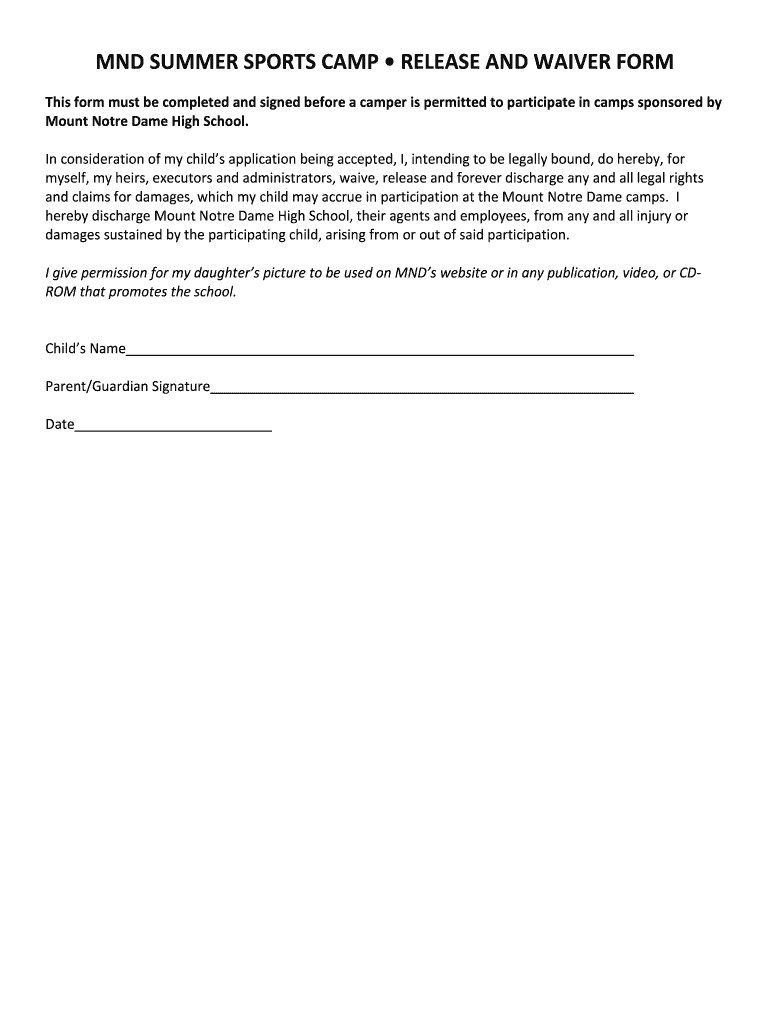







Understanding the Waiver for Company Outing
A waiver for company outing is a legal document that protects the employer from liability in case of accidents or injuries during a company-sponsored event. This waiver is signed by participants, acknowledging the risks associated with various activities included in the outing, and relieves the company of legal claims related to those risks.
Key Elements of a Company Outing Waiver
- Participant Information: Collecting basic information such as name, address, and emergency contact helps ensure clarity about who is signing the document.
- Activity Description: Clearly outline the activities taking place during the outing that may carry risks, such as sports, recreational activities, and any unique events.
- Acknowledgment of Risks: Participants should acknowledge understanding the potential risks associated with these activities, thus reinforcing the importance of the waiver.
- Assumption of Risk Clause: This clause states that the participant assumes responsibility for any risks that may occur, reducing liability for the company.
- Release of Liability: A crucial section where participants agree to release the company from any claims or liabilities that may arise from the outing.
- Signature and Date: To make the waiver legally binding, it’s essential for participants to provide their signature and the date of signing.
Importance of a Waiver for Company Outings
Utilizing a waiver for company outings serves several vital purposes:
- Legal Protection: It provides a legal safeguard for the company against lawsuits resulting from accidents or injuries sustained during the outing.
- Educational Tool: It reminds participants to consider their actions and the inherent risks of the activities they choose to engage in.
- Insurance Benefits: Many insurance policies may require a waiver to cover incidents that occur during such outings, ensuring better management of liability.
Creating a Sample Waiver for Company Outing
Drafting a sample waiver for a company outing should prioritize clarity and inclusiveness. The following components can be included:
- Title: “Waiver of Liability for Company Outing”
- Introduction: A brief introduction explaining the purpose of the waiver.
- Participation Agreement: A section where the participant consents to join the outing and agrees to the terms outlined.
- Conditions for Participation: Any rules and safety protocols that participants must adhere to.
- Health and Safety Declaration: Participants can declare any health concerns that might affect their participation.
- Contact for Questions: Providing contact details for participants who may have questions about the waiver or the outing.
Examples of Activities Covered Under the Waiver
Common activities that may be included in a waiver for a company outing can consist of:
- Outdoor Adventures: Hiking, kayaking, or team-building activities that may involve physical exertion.
- Sports Activities: Organized games such as soccer, volleyball, or relay races, which carry a risk of injury.
- Workshops and Seminars: Engaging in interactive sessions where participants may be involved in physical or creative tasks.
- Field Trips: Visits to external locations that may involve transport, where accidents can occur.
Compliance and Best Practices
To ensure the waiver is effective and compliant with U.S. laws, consider the following best practices:
- Consult Legal Experts: Before finalizing the waiver, it’s advisable to consult an attorney who specializes in liability and contracts to ensure all bases are covered.
- Keep Records: Maintain copies of all signed waivers for the company's records to protect against future claims.
- Conduct Pre-Event Training: Educate participants about the activities planned and reinforce safety protocols to mitigate risks.
- Provide Time for Questions: Allow participants to ask questions about the waiver before signing to ensure they fully understand the terms.
Customizing the Waiver for Different Events
Lastly, the waiver should be tailored for specific types of outings. For example:
- A team-building waiver may need a more detailed safety protocol due to the physical nature of activities involved.
- A waiver for company-sponsored sports events might highlight different risks associated with competitive play.
- For informal outings, a simpler waiver that covers basic liabilities may suffice.
Each of these variations helps to ensure that participants are fully informed about what they are signing and the risks they are assuming, creating a safer environment for all.




