





Definition and Purpose of the Correctional Mental Health Screen
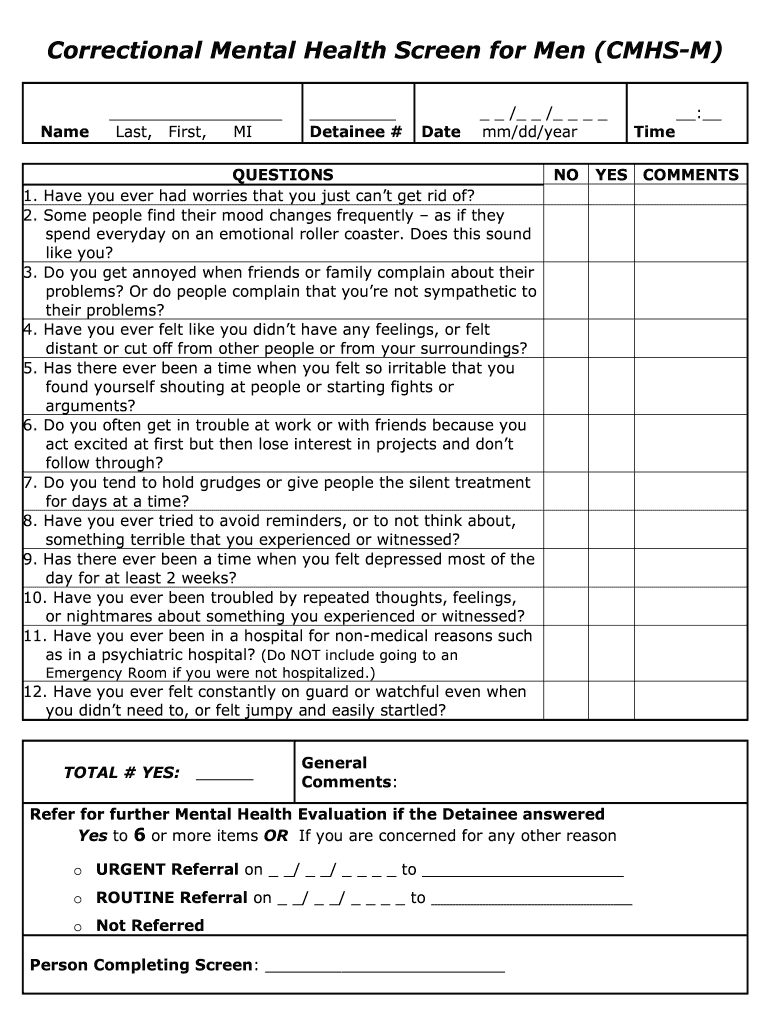
The Correctional Mental Health Screen is designed to assess the mental health status of individuals during the intake process in correctional facilities. Typically administered at the point of entry, this tool aims to identify psychiatric issues that may require immediate or routine evaluation. Understanding its significance in a correctional context is crucial, as mental health issues are often prevalent among incarcerated populations.
- The screen usually consists of twelve targeted questions focusing on common psychiatric symptoms, which provide insights into the mental health of detainees.
- Prompt identification can lead to timely referrals for further evaluation or intervention, improving outcomes for individuals with mental health conditions.
This screening tool is essential for ensuring appropriate care and support for those entering the correctional system, thereby promoting overall inmate wellbeing.
Components of the Correctional Mental Health Screen
The correctional mental health screen generally comprises a specific set of components aimed at assisting staff in evaluating the mental health of inmates systematically. Each question is designed to elicit information that highlights potential areas of concern.
- Psychiatric Symptoms: Questions typically query about the presence of symptoms such as depression, anxiety, or hallucinations.
- Substance Abuse History: Inquiry into any history of substance use may help determine additional support needs.
- Suicidal Ideation: Assessing current or past suicidal thoughts is critical for immediate risk evaluation and safety planning.
These components work cohesively to form a comprehensive overview of an individual’s mental health status at intake, identifying those needing urgent care.
Administration Guidelines for the Correctional Mental Health Screen
Effective administration of the correctional mental health screen involves standardized procedures to maintain consistency and reliability in evaluating mental health needs.
- Training Staff: Personnel administering the screen should undergo training to understand the importance of each question and how to empathically engage detainees.
- Creating a Supportive Environment: Conducting the screening in a private, non-threatening space encourages honest responses from detainees.
- Documentation: Accurate recording of responses is crucial for effective follow-up and referrals. Establishing clear protocols for documentation can enhance the usability of the collected data.
These guidelines aim to ensure that the screening is both effective and humane, facilitating a thorough understanding of each detainee's mental health needs.
Interpretation of Screening Results
Interpreting the results of the correctional mental health screen requires a nuanced understanding of the responses provided by detainees.
- Risk Assessment: Responses indicating severe distress or suicidal ideation necessitate immediate intervention and potential psychiatric evaluation.
- Tailored Interventions: Less severe responses might still signal the need for ongoing mental health support, such as counseling or monitoring.
- Referral Processes: Clear guidelines should be established for referring detainees to appropriate mental health services based on their responses.
Understanding these interpretation principles allows correctional staff to make informed decisions regarding the mental health care of individuals within their facility.
Challenges in Administering the Correctional Mental Health Screen
While the correctional mental health screen is crucial, its administration can present various challenges.
- Time Constraints: The intake process can be rushed, which may limit the thoroughness of the screening.
- Staff Training: Ensuring all staff are adequately trained and sensitive in handling mental health conversations is often a bottleneck.
- Cultural Sensitivity: Awareness of diverse backgrounds and experiences is essential for fostering trust during the screening process.
Addressing these challenges requires ongoing training and a commitment to improving the intake process in correctional facilities.
Legal and Ethical Considerations
The administration of the correctional mental health screen falls within a complex legal and ethical framework, necessitating compliance with established guidelines.
- Confidentiality: Maintaining detainee confidentiality is paramount to uphold trust and protect personal health information.
- Informed Consent: Clear procedures should be in place to ensure detainees understand the purpose of the screening and consent to participate voluntarily.
- Duty of Care: Facility staff have a legal obligation to respond appropriately to identified mental health needs, ensuring adequate support and treatment options are available.
Understanding these considerations helps protect the rights of detainees while promoting responsible mental health practices within correctional settings.
Integration with Other Mental Health Services
The correctional mental health screen should not stand alone but integrate with broader mental health services offered within correctional facilities.
- Collaboration with Mental Health Professionals: Establishing partnerships with mental health providers can enhance the referral process for detainees needing additional services.
- Continued Monitoring: Implementing systems for ongoing mental health screening and assessment throughout an inmate's stay can improve long-term outcomes.
- Data Utilization: Analyzing screening data can provide insights into the mental health trends within the correctional facility, allowing for targeted program development.
Integrating the correctional mental health screen into a comprehensive mental health strategy within correctional facilities ensures ongoing support for the mental wellbeing of detainees.