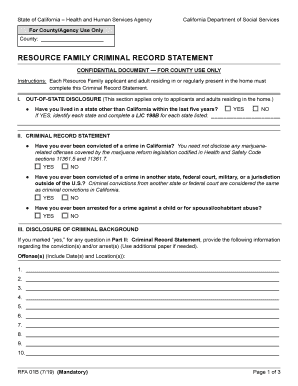
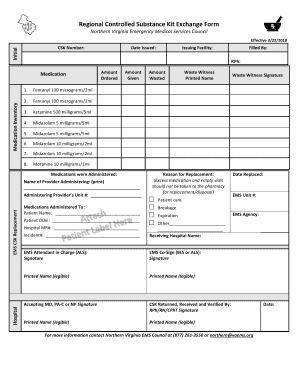
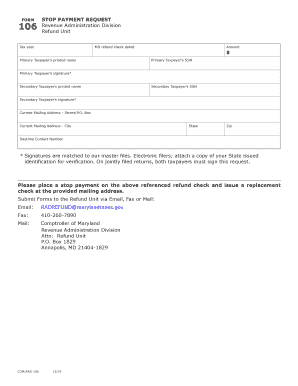
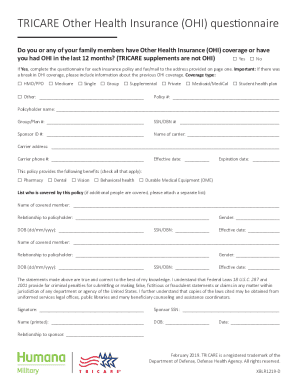
Increase your productiveness with Wisconsin Rental Laws

Form administration takes up to half of your business hours. With DocHub, it is simple to reclaim your office time and increase your team's productivity. Get Wisconsin Rental Laws category and check out all templates relevant to your everyday workflows.

The best way to use Wisconsin Rental Laws:

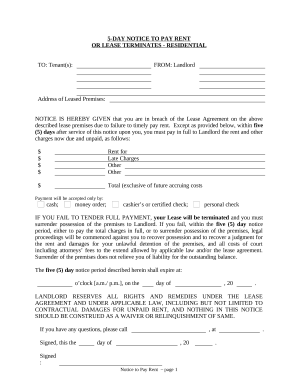
  1. Open Wisconsin Rental Laws and utilize Preview to obtain the relevant form.
  2. Click Get Form to start working on it.
  3. Wait for your form to upload in the online editor and start modifying it.
  4. Add new fillable fields, symbols, and images, modify pages order, etc.
  5. Fill your template or set it for other contributors.
  6. Download or deliver the form by link, email attachment, or invite.

Accelerate your everyday file administration using our Wisconsin Rental Laws. Get your free DocHub account today to explore all forms.

Video Guide on Wisconsin Rental Laws management

video background

Commonly Asked Questions about Wisconsin Rental Laws

Wisconsin law establishes landlords and tenants rights and responsibilities relating to leasing, property maintenance, and rental payment, and identifies provisions that may render leases unenforceable.
Wisconsin law permits short-term rentals, but hosts must comply with several key regulations, including obtaining a tourist rooming house license from the Department of Agriculture, Trade, and Consumer Protection if they plan to rent out their property for more than ten nights a year.
At least 28 days notice must be given except in the following cases: If rent is payable on a basis less than monthly, notice at least equal to the rent-paying period is sufficient; all agricultural tenancies from year-to-year require at least 90 days notice.
The landlord may upon advance notice and at reasonable times inspect the premises, make repairs and show the premises to prospective tenants or purchasers; and if the tenant is absent from the premises and the landlord reasonably believes that entry is necessary to preserve or protect the premises, the landlord may
Unlike many other states, Wisconsin does not have any statewide laws limiting how much landlords can raise rents each year. This means there is effectively no rent control across most of the state. Landlords have the right to raise rents freely, as long as they provide proper notice ing to the terms of the lease.
There are no state laws limiting the amount of a rent increase.
Wisconsins right to rent law balances the rights of property owners to rent their homes and the rights of their neighbors to use and enjoy their property. The law was passed in response to a growing number of communities banning the rental of residential dwellings for any period of time less than 30 days.
The landlord may not confiscate your personal belongings, turn off your utilities, lock you out of your apartment, or use force to remove you. If the small claims court judge rules in the landlords favor, the judge may issue a court order requiring you to leave the property.