

Supercharge your productiveness with Will and Trust Forms

Document administration occupies to half of your business hours. With DocHub, it is simple to reclaim your time and increase your team's efficiency. Access Will and Trust Forms collection and check out all form templates relevant to your daily workflows.

Effortlessly use Will and Trust Forms:

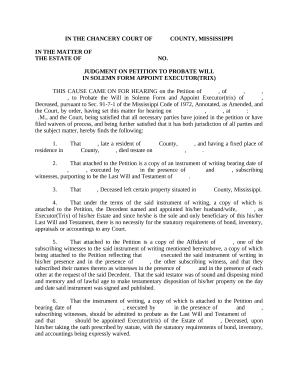
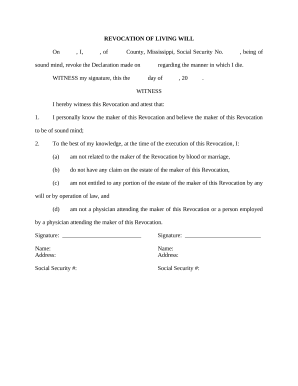
  1. Open Will and Trust Forms and use Preview to obtain the relevant form.
  2. Click Get Form to begin working on it.
  3. Wait for your form to open in our online editor and begin editing it.
  4. Add new fillable fields, icons, and pictures, change pages order, etc.
  5. Fill your template or set it for other contributors.
  6. Download or deliver the form by link, email attachment, or invite.

Accelerate your daily document administration with our Will and Trust Forms. Get your free DocHub account right now to explore all forms.


Video Guide on Will and Trust Forms management

video background

Commonly Asked Questions about Will and Trust Forms

Probate avoidance is the only goal. While this is an admirable goal, a trust may not be the only way to avoid probate. You have straightforward wishes. Youre motivated by tax savings or Medicaid eligibility. Youre not great at follow-through.
A trust contained in your will activates on your death, and the will (not probate) grants the legal authority to the trustees to act. In reality however, the trust will almost certainly need the estate to be administered to have the assets of any will trust transferred from the estate executors to the trustees. What are Will Trusts? - QLAW qlaw.co.uk wills what-are-will-trusts qlaw.co.uk wills what-are-will-trusts
A trust is considered a taxpayer in Canada even though it is not considered a legal entity. A trust pays tax at the highest personal marginal tax rate on its taxable income and doesnt have the benefit of individual tax credits.
The main difference between a will and a trust is when they come into effect. A will comes into effect after the creators death, whereas a living trust comes immediately into effect after it is created. The Difference Between a Will and a Trust in California johnstonassociateslaw.com the-difference-betwe johnstonassociateslaw.com the-difference-betwe
A trust can be created while the grantor is alive, while an estate is created at the moment of someones death. A trust is intended to be a semi-permanent entity. It exists to distribute assets over time ing to a series of rules and conditions, overseen by a trustee. An estate is intended to be temporary.
A will is a simple legal document that provides instructions on how to distribute property to beneficiaries after death, while a trust is a complex legal arrangement that allows you to transfer ownership of property, is managed by a third party, and is distributed to beneficiaries at any time determined by the creator
Trusts offer amazing benefits, but they also come with potential downsides like loss of control, limited access to assets, costs, and recordkeeping difficulties.
In Pennsylvania, both trusts and wills have merits and demerits. A will is a legal document that outlines the distribution of your assets after your death, while a trust allows for the smooth transfer of assets without going through probate. However, trusts require more upfront work and cost. Pennsylvania Trusts: How to Set Up and Leverage Trusts Effectively petrellilaw.com pennsylvania-trusts-how-t petrellilaw.com pennsylvania-trusts-how-t
Living trusts provide several advantages in estate planning. They allow you to avoid probate, which can be a time-consuming and costly process. With a living trust, the transfer of assets to beneficiaries can be more efficient and private. So your belongings can be given to the right people more easily and quickly.
